THE ADVENTURE COLLECTIVE® · Independent discovery and booking for outdoor travel

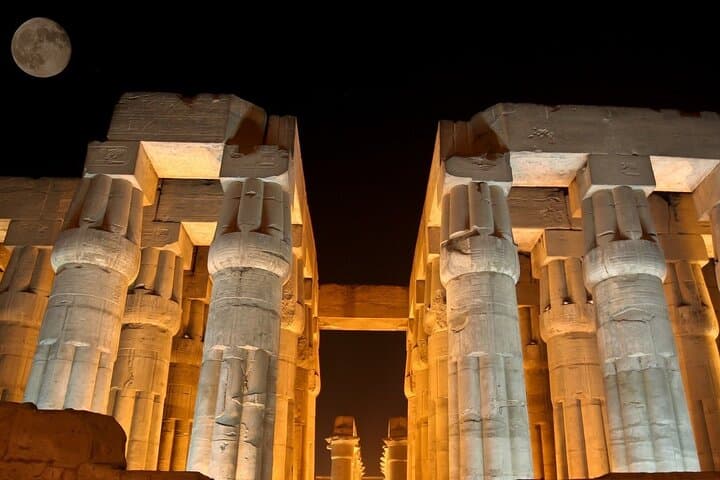
Walk through two of ancient Egypt’s most powerful temple complexes with a private Egyptologist guide. This half‑day tour balances deep historical context with easy pacing, hotel pickup, and the chance to see Luxor Temple glow at dusk.
Walk through two of ancient Egypt’s most powerful temple complexes with a private Egyptologist guide. This half‑day tour balances deep historical context with easy pacing, hotel pickup, and the chance to see Luxor Temple glow at dusk.
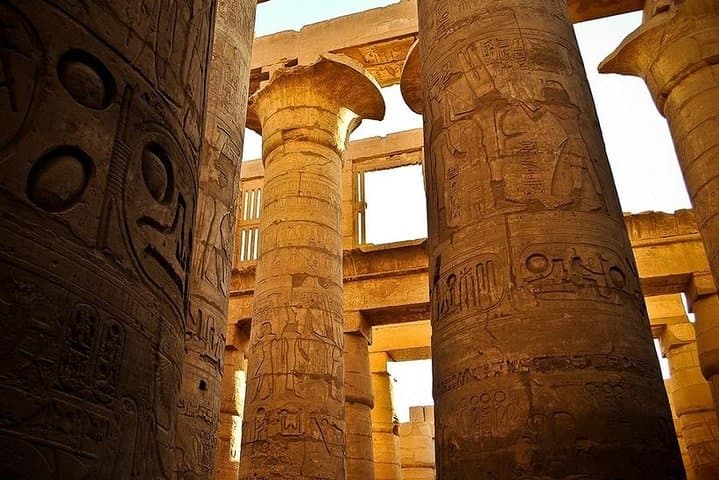
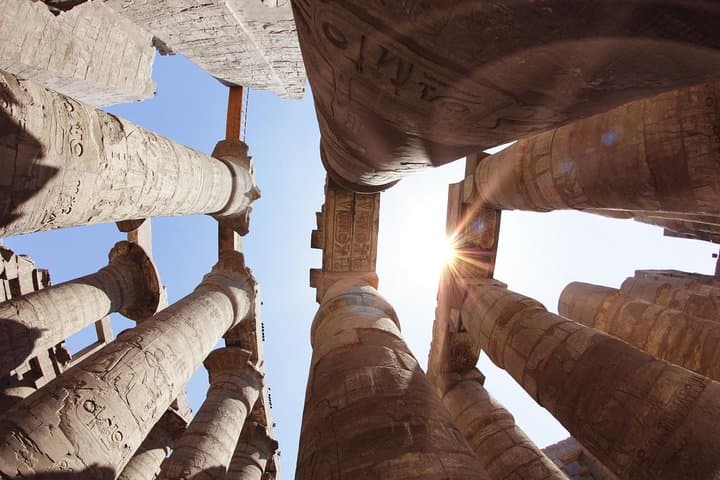
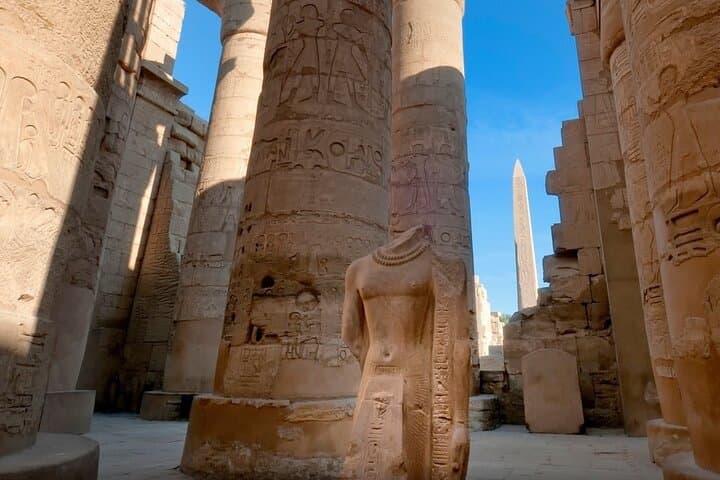
A mid-morning sun warms the sandstone avenues as a private vehicle eases through Luxor’s palm-lined streets toward Karnak. Columns loom like a carved forest; hieroglyphs crowd every surface and the Nile glints off in the distance. An Egyptologist leads the group, pausing to translate a scene, to point out a mason’s chisel mark, or to explain the political power that built these stones.
Verified experiences and guided adventures in the surrounding area.
Operated by Ibis Travel · Luxor, Luxor Governorate
A mid-morning sun warms the sandstone avenues as a private vehicle eases through Luxor’s palm-lined streets toward Karnak. Columns loom like a carved forest; hieroglyphs crowd every surface and the Nile glints off in the distance. An Egyptologist leads the group, pausing to translate a scene, to point out a mason’s chisel mark, or to explain the political power that built these stones.
Karnak began as a cluster of sanctuaries and grew for more than a millennium into the principal cult site of Amun-Ra, its Great Hypostyle Hall a study in monumental engineering. Luxor Temple, by contrast, honors kingship and ritual renewal—its colonnades once connected to Karnak by the Avenue of Sphinxes. The sites sit on the East Bank of the Nile, where river sediment and ancient quarrying shaped the local geology and made large-scale stone work possible.
Culturally, the tour places visitors within living Egyptian city life: vendors, modern mosques, and the slow current of the Nile frame the temples’ ancient stories. Guides often point out smaller details—graffiti from later periods, reused blocks from earlier structures—that reveal centuries of reuse and reinvention.
Practical notes: expect 3–4 hours on foot in the sun with short walks between monuments and steps inside temple courts. Bring sun protection, a refillable bottle (bottled water is typically provided), and comfortable shoes. Photography is allowed in many areas but check with your guide about restricted zones and flash rules. Evening light makes Luxor Temple especially photogenic, while mornings are cooler and less crowded. This private, hotel‑pickup option blends interpretive depth with flexible pacing, ideal for travelers who want context as much as spectacle.
easy.
3–4 hours.
Light to moderate—able to walk and stand intermittently, climb a few low steps.
Many booking options include entrance fees; confirm at reservation—some choices require you to pay on the day or show tickets.
Sites have uneven surfaces and steps; contact the operator ahead to discuss mobility needs and vehicle drop-off points.
Yes—the private tours typically include an English‑speaking Egyptologist; other languages may be available by request.
Karnak grew over centuries as the primary cult center of ancient Thebes, while Luxor Temple functioned as a ceremonial site for royal rejuvenation, with major contributions from Amenhotep III and Ramses II.
Visitor pressure and salt weathering are ongoing concerns; follow guide instructions, avoid touching reliefs, and support licensed local guides and conservation efforts.
Ibis Travel operates guided outdoor trips and adventures with an emphasis on safety, stewardship, and memorable experiences.
A mid-morning sun warms the sandstone avenues as a private vehicle eases through Luxor’s palm-lined streets toward Karnak. Columns loom like a carved forest; hieroglyphs crowd every surface and the Nile glints off in the distance. An Egyptologist leads the group, pausing to translate a scene, to point out a mason’s chisel mark, or to explain the political power that built these stones.
A mid-morning sun warms the sandstone avenues as a private vehicle eases through Luxor’s palm-lined streets toward Karnak. Columns loom like a carved forest; hieroglyphs crowd every surface and the Nile glints off in the distance. An Egyptologist leads the group, pausing to translate a scene, to point out a mason’s chisel mark, or to explain the political power that built these stones.
Karnak began as a cluster of sanctuaries and grew for more than a millennium into the principal cult site of Amun-Ra, its Great Hypostyle Hall a study in monumental engineering. Luxor Temple, by contrast, honors kingship and ritual renewal—its colonnades once connected to Karnak by the Avenue of Sphinxes. The sites sit on the East Bank of the Nile, where river sediment and ancient quarrying shaped the local geology and made large-scale stone work possible.
Culturally, the tour places visitors within living Egyptian city life: vendors, modern mosques, and the slow current of the Nile frame the temples’ ancient stories. Guides often point out smaller details—graffiti from later periods, reused blocks from earlier structures—that reveal centuries of reuse and reinvention.
Practical notes: expect 3–4 hours on foot in the sun with short walks between monuments and steps inside temple courts. Bring sun protection, a refillable bottle (bottled water is typically provided), and comfortable shoes. Photography is allowed in many areas but check with your guide about restricted zones and flash rules. Evening light makes Luxor Temple especially photogenic, while mornings are cooler and less crowded. This private, hotel‑pickup option blends interpretive depth with flexible pacing, ideal for travelers who want context as much as spectacle.