THE ADVENTURE COLLECTIVE® · Independent discovery and booking for outdoor travel

Spend a day outside Prague visiting Karlštejn Castle—built by Charles IV to house crown treasures—and tour a nearby Bohemian glassworks where master blowers still shape crystal by hand. Includes village lunch and private transport.
Spend a day outside Prague visiting Karlštejn Castle—built by Charles IV to house crown treasures—and tour a nearby Bohemian glassworks where master blowers still shape crystal by hand. Includes village lunch and private transport.
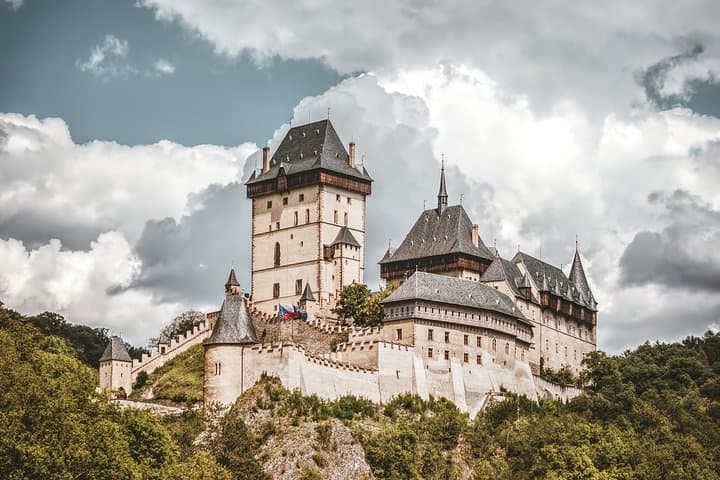
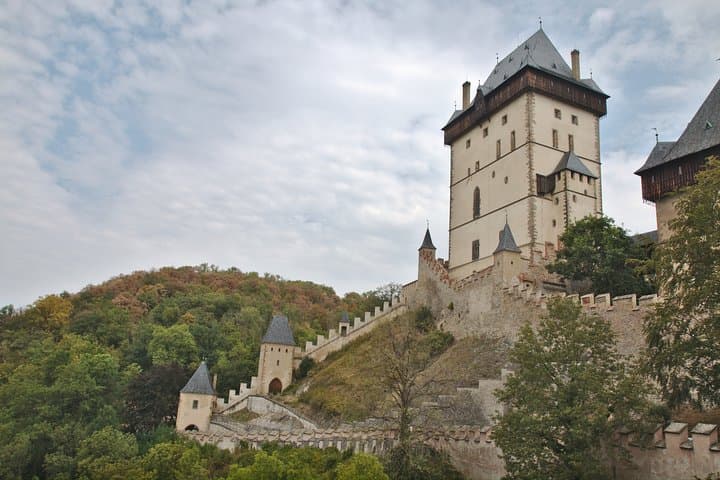
The road out of Prague opens into a sweep of rolling fields and dark spruce, and after forty-five minutes the car eases into Karlštejn village beneath a rocky hill where a fourteenth-century castle keeps watch. Visitors disembark, feel the slope underfoot, and climb twenty minutes of cobbles and stone steps to courtyards that still smell faintly of wood smoke and old lime mortar.
Verified experiences and guided adventures in the surrounding area.
Operated by Real Prague Tours · Karlštejn, Central Bohemian Region
The road out of Prague opens into a sweep of rolling fields and dark spruce, and after forty-five minutes the car eases into Karlštejn village beneath a rocky hill where a fourteenth-century castle keeps watch. Visitors disembark, feel the slope underfoot, and climb twenty minutes of cobbles and stone steps to courtyards that still smell faintly of wood smoke and old lime mortar.
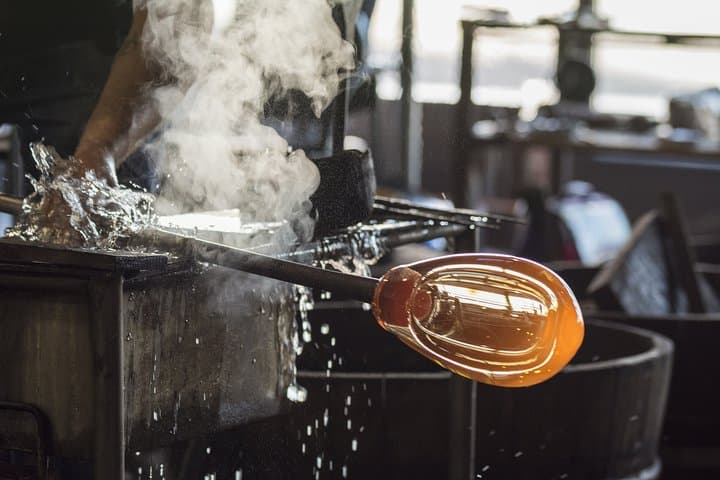
Karlštejn was raised by King Charles IV to guard crown jewels and sacred relics; the Imperial Palace and the Holy Cross Chapel hold the echoes of that purpose. The castle’s compact plan makes every stair and gallery feel purposeful—defensive, ceremonial, resolute. A short drive away, the Rückl and other Bohemian glassworks continue three-century traditions: molten crystal shaped by hand and cooled into facets that catch the light like miniature stained glass.
Practicalities matter here: expect a guided group tour of interiors (basic and exclusive tours carry additional admission fees), a village lunch included in the itinerary, and a 30-minute transfer to the glassworks where demonstrations run on a schedule. The walk up to the castle is steep but brief; horse-drawn carriage is sometimes offered for an extra fee.
Bring sturdy shoes for cobbles and many steps, carry local currency for small purchases and tips, and plan the day for clear weather if you want wide views from the battlements. The trip pairs living history with contemporary craft—an accessible, richly textured day outside Prague.
easy.
6–8 hours.
Light fitness; able to walk 20 minutes uphill and climb multiple staircases during the tour.
The private transfer is approximately 45 minutes each way, depending on traffic.
Interior tours are available but require separate admission; basic and exclusive tours differ in price and must be booked in advance when required.
The approach is a 15–25 minute uphill walk on cobbled path with steps; a horse-drawn carriage may be available for an extra fee.
Yes—demonstrations are family-friendly, but workshops involve hot glass and require supervising young children closely.
Built in the 14th century by Charles IV to house the crown jewels and holy relics, Karlštejn combined defensive function with royal ceremonial spaces.
Visitor numbers are managed for interior tours to protect fragile frescoes and chapel decoration; support local craft by buying from registered glassworks to sustain traditional workshops.
Real Prague Tours operates guided outdoor trips and adventures with an emphasis on safety, stewardship, and memorable experiences.

The road out of Prague opens into a sweep of rolling fields and dark spruce, and after forty-five minutes the car eases into Karlštejn village beneath a rocky hill where a fourteenth-century castle keeps watch. Visitors disembark, feel the slope underfoot, and climb twenty minutes of cobbles and stone steps to courtyards that still smell faintly of wood smoke and old lime mortar.
The road out of Prague opens into a sweep of rolling fields and dark spruce, and after forty-five minutes the car eases into Karlštejn village beneath a rocky hill where a fourteenth-century castle keeps watch. Visitors disembark, feel the slope underfoot, and climb twenty minutes of cobbles and stone steps to courtyards that still smell faintly of wood smoke and old lime mortar.
Karlštejn was raised by King Charles IV to guard crown jewels and sacred relics; the Imperial Palace and the Holy Cross Chapel hold the echoes of that purpose. The castle’s compact plan makes every stair and gallery feel purposeful—defensive, ceremonial, resolute. A short drive away, the Rückl and other Bohemian glassworks continue three-century traditions: molten crystal shaped by hand and cooled into facets that catch the light like miniature stained glass.
Practicalities matter here: expect a guided group tour of interiors (basic and exclusive tours carry additional admission fees), a village lunch included in the itinerary, and a 30-minute transfer to the glassworks where demonstrations run on a schedule. The walk up to the castle is steep but brief; horse-drawn carriage is sometimes offered for an extra fee.
Bring sturdy shoes for cobbles and many steps, carry local currency for small purchases and tips, and plan the day for clear weather if you want wide views from the battlements. The trip pairs living history with contemporary craft—an accessible, richly textured day outside Prague.