THE ADVENTURE COLLECTIVE® · Independent discovery and booking for outdoor travel

Skip the taxi lines and slide straight from Kalutara to Mirissa in a private, air‑conditioned transfer. Smooth roads, coastal views and an English‑speaking driver make this an efficient way to start a southern Sri Lanka stay.
Skip the taxi lines and slide straight from Kalutara to Mirissa in a private, air‑conditioned transfer. Smooth roads, coastal views and an English‑speaking driver make this an efficient way to start a southern Sri Lanka stay.
The sun lifts off the Indian Ocean as you settle into a private, air‑conditioned vehicle in Kalutara and point south toward Mirissa. Windows frame a changing coastline: temple spires and coconut palms give way to low cliffs and surf-pummeled beaches. A polite driver with an English-speaking guide keeps pace with traffic, exchanging quiet local knowledge as the road opens.
Verified experiences and guided adventures in the surrounding area.
Operated by Ceylon Travel Dream · Mirissa, Southern Province
The sun lifts off the Indian Ocean as you settle into a private, air‑conditioned vehicle in Kalutara and point south toward Mirissa. Windows frame a changing coastline: temple spires and coconut palms give way to low cliffs and surf-pummeled beaches. A polite driver with an English-speaking guide keeps pace with traffic, exchanging quiet local knowledge as the road opens.
This short coastal corridor carries traces of Sri Lanka’s layered past — Portuguese and Dutch forts, 19th-century tea and coconut estates, and compact fishing communities that still launch dhonis at dawn. Geologically, the terrain is a gentle coastal plain of sand and laterite; the farther south you go the more exposed headlands and coral-outcrop beaches appear. Mirissa itself is a small bay town known for crescent beaches and offshore cetaceans during the November–April season.
Practically, expect a point-to-point transfer of roughly 75 km (about 1–2 hours depending on route and traffic). Drivers usually choose the coastal A2 or the Southern Expressway by request; both offer smooth pavement but different scenery. Bring travel documents and a daypack, and confirm your exact pickup spot and flight timing in advance. Midday sun is strong—apply sunscreen and keep hydrated. If you’re heading to whale-watching the same day, allow extra time for check-in and briefings.
This transfer is straightforward travel logistics rendered as a low-stress introduction to Sri Lanka’s southern coast: efficient, scenic, and tuned to the rhythms of island life.
easy.
1–2 hours.
Minimal physical demand; suitable for most travelers who can board a car
The guide meets you at your airport arrival area or hotel lobby with a name sign; provide your flight number and pickup point when booking.
Typical travel time is 60–120 minutes depending on traffic and whether the driver uses the coastal A2 or the Southern Expressway.
Yes — mineral water, all government taxes and charges are included as part of the transfer.
Full refund is available if you cancel at least 24 hours before the scheduled departure time; last‑minute cancellations are non‑refundable.
The southern coast bears colonial layers from Portuguese, Dutch and British periods and long-standing coastal fishing and coconut cultivation traditions.
Marine life and coral fringing the coast are sensitive to over-tourism and fishing pressures—choose operators who follow responsible wildlife viewing and reduce single‑use plastics.
Ceylon Travel Dream operates guided outdoor trips and adventures with an emphasis on safety, stewardship, and memorable experiences.
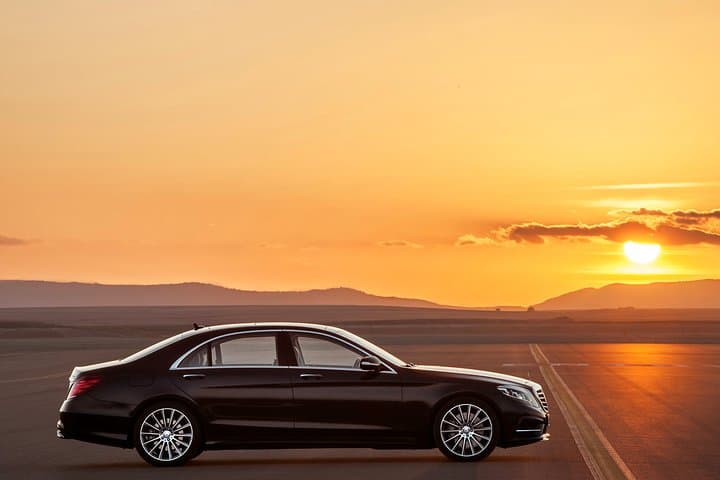

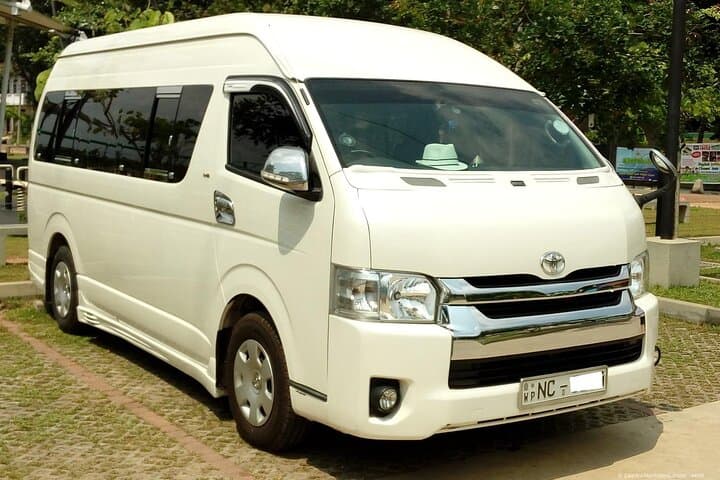
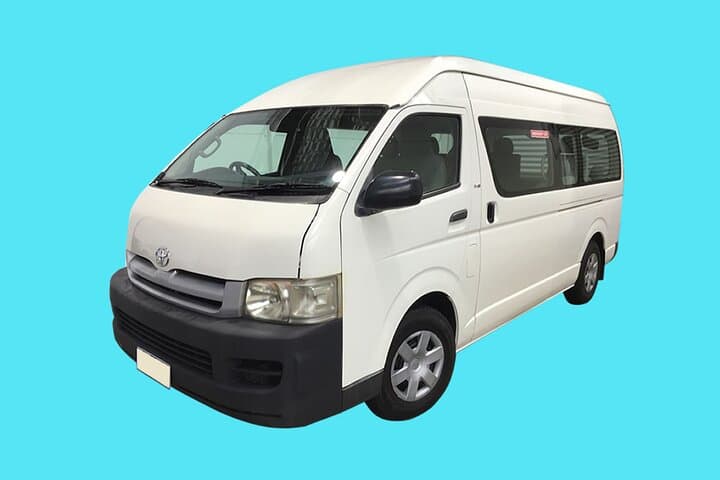
The sun lifts off the Indian Ocean as you settle into a private, air‑conditioned vehicle in Kalutara and point south toward Mirissa. Windows frame a changing coastline: temple spires and coconut palms give way to low cliffs and surf-pummeled beaches. A polite driver with an English-speaking guide keeps pace with traffic, exchanging quiet local knowledge as the road opens.
The sun lifts off the Indian Ocean as you settle into a private, air‑conditioned vehicle in Kalutara and point south toward Mirissa. Windows frame a changing coastline: temple spires and coconut palms give way to low cliffs and surf-pummeled beaches. A polite driver with an English-speaking guide keeps pace with traffic, exchanging quiet local knowledge as the road opens.
This short coastal corridor carries traces of Sri Lanka’s layered past — Portuguese and Dutch forts, 19th-century tea and coconut estates, and compact fishing communities that still launch dhonis at dawn. Geologically, the terrain is a gentle coastal plain of sand and laterite; the farther south you go the more exposed headlands and coral-outcrop beaches appear. Mirissa itself is a small bay town known for crescent beaches and offshore cetaceans during the November–April season.
Practically, expect a point-to-point transfer of roughly 75 km (about 1–2 hours depending on route and traffic). Drivers usually choose the coastal A2 or the Southern Expressway by request; both offer smooth pavement but different scenery. Bring travel documents and a daypack, and confirm your exact pickup spot and flight timing in advance. Midday sun is strong—apply sunscreen and keep hydrated. If you’re heading to whale-watching the same day, allow extra time for check-in and briefings.
This transfer is straightforward travel logistics rendered as a low-stress introduction to Sri Lanka’s southern coast: efficient, scenic, and tuned to the rhythms of island life.