THE ADVENTURE COLLECTIVE® · Independent discovery and booking for outdoor travel

From Roman colonnades in Jerash to the Siq and rose-red façades of Petra, this private 2-night tour moves through Jordan’s major archaeological highlights. Expect substantial walking, dramatic geology, and guided cultural context over three days.
From Roman colonnades in Jerash to the Siq and rose-red façades of Petra, this private 2-night tour moves through Jordan’s major archaeological highlights. Expect substantial walking, dramatic geology, and guided cultural context over three days.
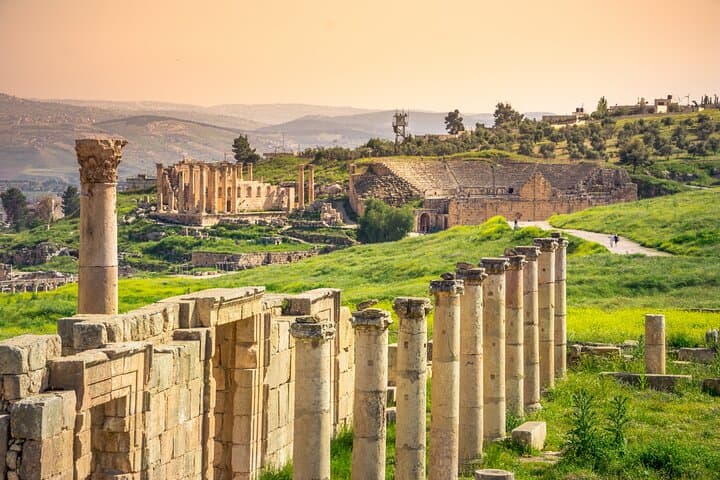
You step off the vehicle at dawn and the Jordanian light strips the stone of Jerash into sharp relief; columned streets and an oval plaza open like a page from Roman imperial design. From there the road threads south through desert ridges until the Siq parts and Petra announces itself, a rose-red wall that seems to have been waiting to be found.
Verified experiences and guided adventures in the surrounding area.
Operated by Zaid Tours and Travel · Wadi Musa, Ma'an Governorate
You step off the vehicle at dawn and the Jordanian light strips the stone of Jerash into sharp relief; columned streets and an oval plaza open like a page from Roman imperial design. From there the road threads south through desert ridges until the Siq parts and Petra announces itself, a rose-red wall that seems to have been waiting to be found.
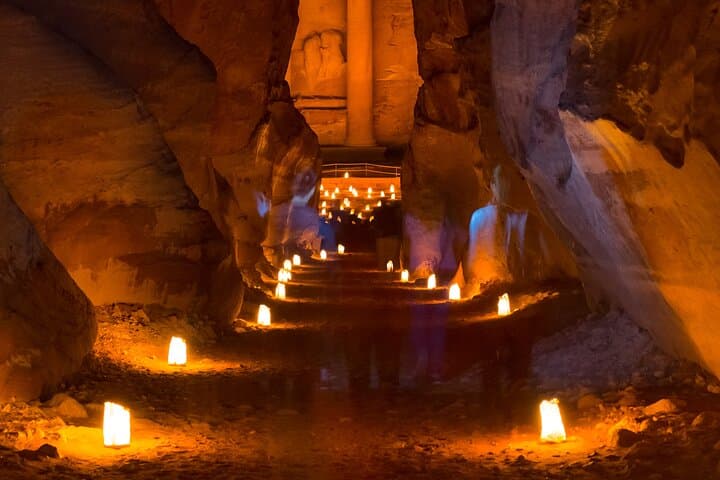
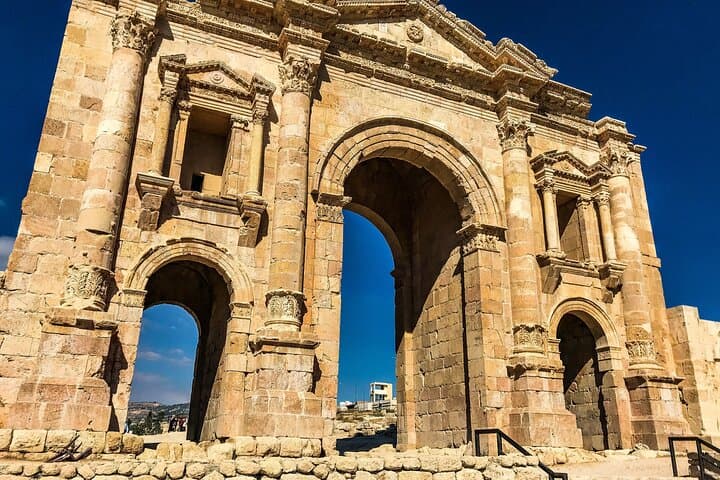
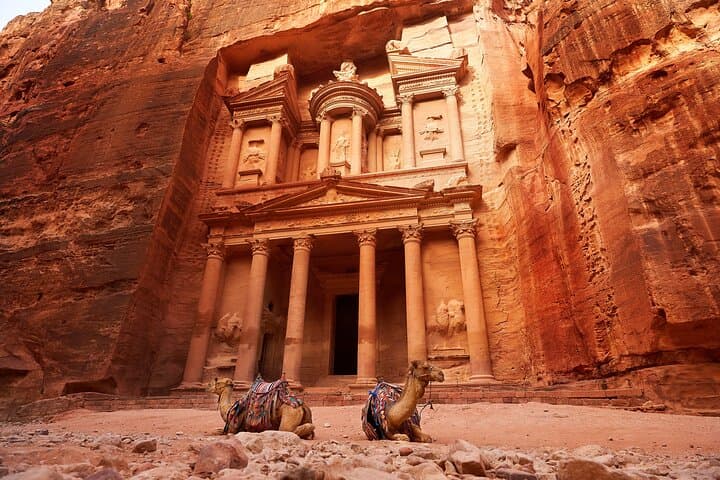
Jerash preserves Roman urban planning with theaters, archways and a Great Colonnade that tell of trade routes and military processions. Petra, carved by the Nabateans over 2,000 years ago, shows how geology and ingenuity met — soft sandstone shaped into facades like the Treasury and the Royal Tombs. Madaba’s sixth-century mosaic map and Mount Nebo’s basalt outcrops frame the region’s Byzantine and biblical layers, where views push across the Jordan Valley and the Dead Sea basin.
Practical guidance: this private itinerary covers roughly 485 km over three days, including a 1.2 km walk through the Siq at Petra and optional climbs up to the Monastery or High Place of Sacrifice (stair climbs and uneven rock). Expect dusty trails, sun exposure, and many stairs; bring sun protection and at least 2 liters of water for Petra alone. Hotels are one night in Petra (Wadi Musa) and one in Amman; transport is private, air-conditioned, with English-speaking driver-guides.
Timing tip: start Petra early to avoid midday heat and use the afternoon for lower-traffic viewpoints. Respect religious sites with modest dress at churches and carry small change for site bathrooms and local vendors.
moderate.
3 days.
Moderate fitness; comfortable walking for several hours, stair climbing and uneven terrain handling are required.
Expect several hours of walking; the Siq is 1.2 km one-way and key monuments spread over uneven terrain with many stairs—choose a shorter loop or use a pony/golf cart service for parts if mobility is limited.
Entrance fees to the mentioned sites are included but show your Jordan Pass if you have one so the operator can reimburse accordingly.
The tour is family-friendly but Petra involves significant walking and stairs; the operator can arrange limited mobility services like golf carts at Petra by request—notify them when booking.
Pack sun protection, comfortable closed-toe shoes, modest clothing for churches, a refillable water bottle, and identification/passport for border transfers.
This route threads Roman, Nabatean and Byzantine eras: Jerash is one of the best-preserved Roman cities, Petra was a Nabatean trade hub, and Madaba preserves Byzantine mosaics including the 6th-century Holy Land map.
High visitor traffic at Petra stresses fragile sandstone and trails; stick to marked paths, avoid climbing on carved façades, and support local guides to channel income into site protection.
Zaid Tours and Travel operates guided outdoor trips and adventures with an emphasis on safety, stewardship, and memorable experiences.
You step off the vehicle at dawn and the Jordanian light strips the stone of Jerash into sharp relief; columned streets and an oval plaza open like a page from Roman imperial design. From there the road threads south through desert ridges until the Siq parts and Petra announces itself, a rose-red wall that seems to have been waiting to be found.
You step off the vehicle at dawn and the Jordanian light strips the stone of Jerash into sharp relief; columned streets and an oval plaza open like a page from Roman imperial design. From there the road threads south through desert ridges until the Siq parts and Petra announces itself, a rose-red wall that seems to have been waiting to be found.
Jerash preserves Roman urban planning with theaters, archways and a Great Colonnade that tell of trade routes and military processions. Petra, carved by the Nabateans over 2,000 years ago, shows how geology and ingenuity met — soft sandstone shaped into facades like the Treasury and the Royal Tombs. Madaba’s sixth-century mosaic map and Mount Nebo’s basalt outcrops frame the region’s Byzantine and biblical layers, where views push across the Jordan Valley and the Dead Sea basin.
Practical guidance: this private itinerary covers roughly 485 km over three days, including a 1.2 km walk through the Siq at Petra and optional climbs up to the Monastery or High Place of Sacrifice (stair climbs and uneven rock). Expect dusty trails, sun exposure, and many stairs; bring sun protection and at least 2 liters of water for Petra alone. Hotels are one night in Petra (Wadi Musa) and one in Amman; transport is private, air-conditioned, with English-speaking driver-guides.
Timing tip: start Petra early to avoid midday heat and use the afternoon for lower-traffic viewpoints. Respect religious sites with modest dress at churches and carry small change for site bathrooms and local vendors.