THE ADVENTURE COLLECTIVE® · Independent discovery and booking for outdoor travel

Walk the compact streets of the Jordaan with a private guide, then relax on a canal cruise that reframes Amsterdam from its water. This three-hour experience combines neighborhood history, hidden courtyards, and slow travel on the canals.
Walk the compact streets of the Jordaan with a private guide, then relax on a canal cruise that reframes Amsterdam from its water. This three-hour experience combines neighborhood history, hidden courtyards, and slow travel on the canals.
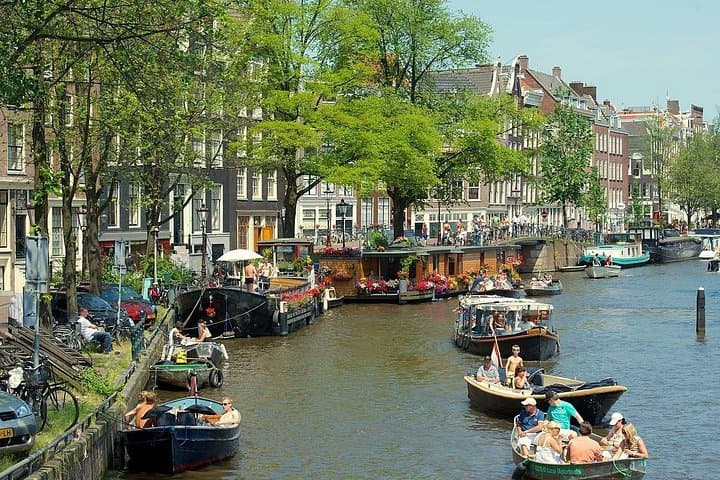
You step out onto cool cobbles at Westermarkt, the Westerkerk’s tower cutting a clean line against a low northern sky. Narrow streets funnel conversation and church bells toward the canal ring, where houseboats bob and the water dares you to slow down. For three hours a local guide threads stories between hidden courtyards and market squares, then ushers you aboard a low-slung boat to glide beneath arched bridges.
Verified experiences and guided adventures in the surrounding area.
Operated by Trigger Tours · Amsterdam, North Holland
You step out onto cool cobbles at Westermarkt, the Westerkerk’s tower cutting a clean line against a low northern sky. Narrow streets funnel conversation and church bells toward the canal ring, where houseboats bob and the water dares you to slow down. For three hours a local guide threads stories between hidden courtyards and market squares, then ushers you aboard a low-slung boat to glide beneath arched bridges.
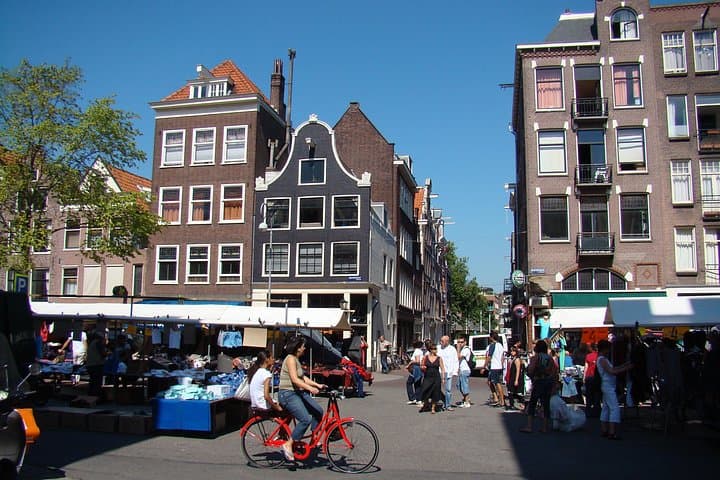
The Jordaan began in the 17th century as working-class housing for laborers and recent arrivals; the streets still wear that practical past in tight plots and small hofjes (courtyards). Geologically the district sits on reclaimed fen and timber piles — the canals are living infrastructure, channels that made trade and growth possible during the Dutch Golden Age. Culturally the area blends artisan shops, weekly markets like Noordermarkt, and quiet residential lanes that locals prize.
Expect a paced, interpretive walk: courtyard gates, the Westerkerk, the narrow frontage along Palmgracht and Lauriergracht, then the place locals call “the end of the world” at Brouwersgracht turning into Lijnbaansgracht. The canal cruise offers a different sense of motion—currents pulling the city into view from a low angle, house facades sliding past with dates carved into their gables.
Practicalities: meet at the Anne Frank statue on Westermarkt; the tour lasts about three hours and is suitable for most fitness levels. Wear sturdy shoes for cobbles, bring a lightweight rain layer, and carry a small bag—the boat has limited space. Morning slots avoid crowds; bring a charged camera and an appetite for close-up urban history.
easy.
3 hours.
Light walking ability; comfortable standing and moving on cobbles for a few miles is sufficient
The guide meets guests in front of the Anne Frank statue on the southern side of the Westerkerk at Westermarkt; arrive 10 minutes early.
Yes—the 3-hour private experience combines the walking tour through the Jordaan with a canal cruise segment included in the booking.
Yes; the route is stroller-accessible in many places, though some cobbled sections and boat boarding may require assistance.
Small daypacks are fine; large luggage is not suitable for the walk or boat and should be left at your accommodation or a locker.
The Jordaan was developed in the 1600s to house workers and immigrants; its narrow plots and hofjes reflect practical urban planning from the Dutch Golden Age.
Canals are sensitive urban ecosystems—avoid feeding wildlife, take litter with you, and respect private courtyards and residential spaces to help preserve neighborhood character.
Trigger Tours operates guided outdoor trips and adventures with an emphasis on safety, stewardship, and memorable experiences.
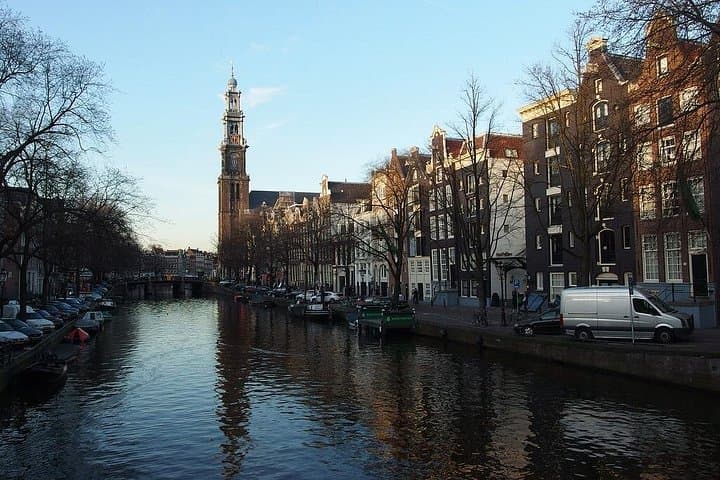
You step out onto cool cobbles at Westermarkt, the Westerkerk’s tower cutting a clean line against a low northern sky. Narrow streets funnel conversation and church bells toward the canal ring, where houseboats bob and the water dares you to slow down. For three hours a local guide threads stories between hidden courtyards and market squares, then ushers you aboard a low-slung boat to glide beneath arched bridges.
You step out onto cool cobbles at Westermarkt, the Westerkerk’s tower cutting a clean line against a low northern sky. Narrow streets funnel conversation and church bells toward the canal ring, where houseboats bob and the water dares you to slow down. For three hours a local guide threads stories between hidden courtyards and market squares, then ushers you aboard a low-slung boat to glide beneath arched bridges.
The Jordaan began in the 17th century as working-class housing for laborers and recent arrivals; the streets still wear that practical past in tight plots and small hofjes (courtyards). Geologically the district sits on reclaimed fen and timber piles — the canals are living infrastructure, channels that made trade and growth possible during the Dutch Golden Age. Culturally the area blends artisan shops, weekly markets like Noordermarkt, and quiet residential lanes that locals prize.
Expect a paced, interpretive walk: courtyard gates, the Westerkerk, the narrow frontage along Palmgracht and Lauriergracht, then the place locals call “the end of the world” at Brouwersgracht turning into Lijnbaansgracht. The canal cruise offers a different sense of motion—currents pulling the city into view from a low angle, house facades sliding past with dates carved into their gables.
Practicalities: meet at the Anne Frank statue on Westermarkt; the tour lasts about three hours and is suitable for most fitness levels. Wear sturdy shoes for cobbles, bring a lightweight rain layer, and carry a small bag—the boat has limited space. Morning slots avoid crowds; bring a charged camera and an appetite for close-up urban history.