THE ADVENTURE COLLECTIVE® · Independent discovery and booking for outdoor travel

A focused, private day that stitches together Johannesburg’s mining past, the Apartheid Museum’s hard history, and Soweto’s living culture. Limited to three guests, this 6–8 hour tour delivers underground mining, museum galleries, and Vilakazi Street in one intensive day.
A focused, private day that stitches together Johannesburg’s mining past, the Apartheid Museum’s hard history, and Soweto’s living culture. Limited to three guests, this 6–8 hour tour delivers underground mining, museum galleries, and Vilakazi Street in one intensive day.
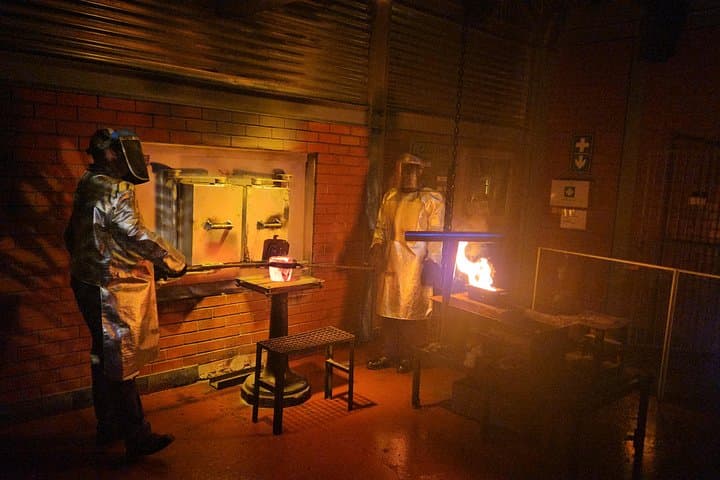
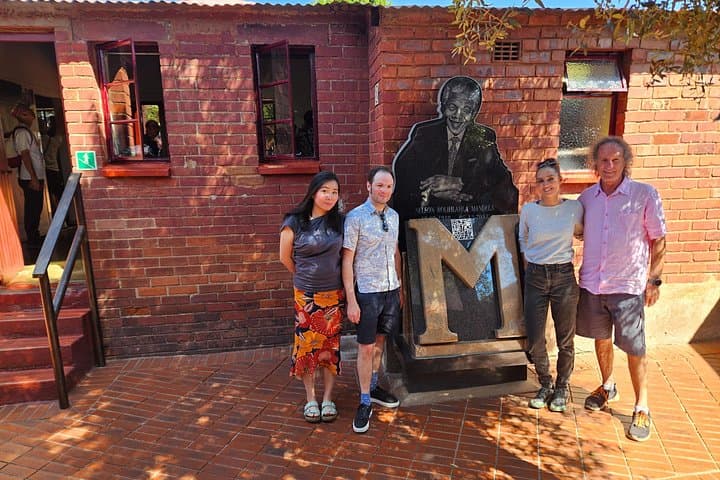
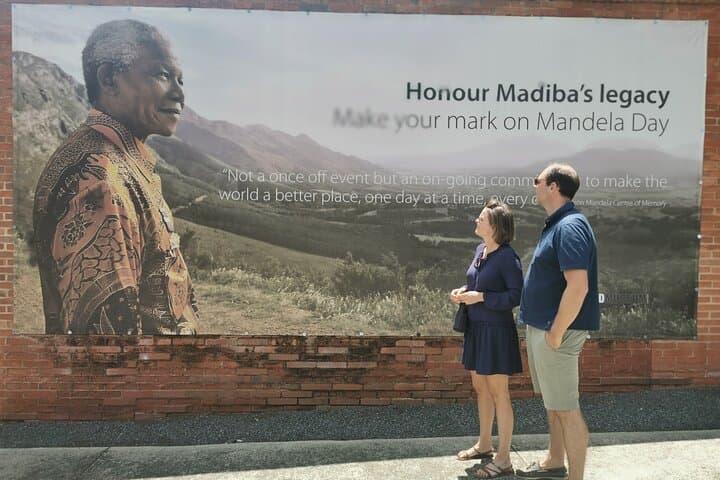
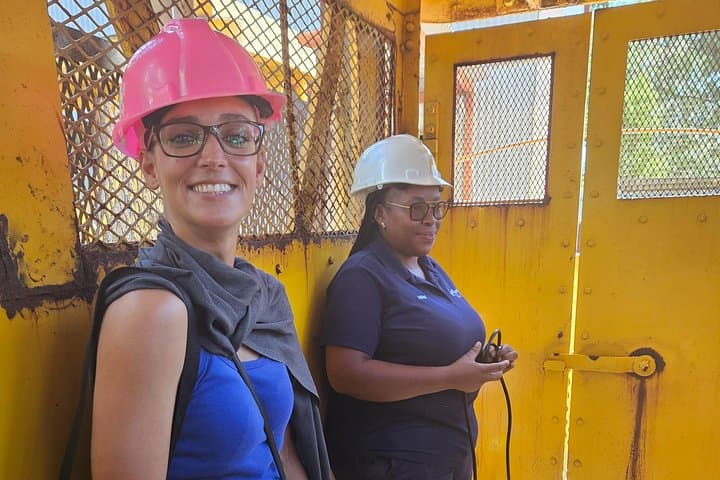
You step out of an air‑conditioned vehicle into a wide Johannesburg morning; dust from the mine tailings mixes with the smell of frying dough on Vilakazi Street and the city hums beneath a cobalt sky. The day moves in distinct chapters — a working gold‑mine village and a ride down the shaft, the hush of the Apartheid Museum’s galleries, and the bright, street-level life of Soweto where Madiba’s house anchors memory.
Verified experiences and guided adventures in the surrounding area.
Operated by Shane Gouldie · Johannesburg, Gauteng
You step out of an air‑conditioned vehicle into a wide Johannesburg morning; dust from the mine tailings mixes with the smell of frying dough on Vilakazi Street and the city hums beneath a cobalt sky. The day moves in distinct chapters — a working gold‑mine village and a ride down the shaft, the hush of the Apartheid Museum’s galleries, and the bright, street-level life of Soweto where Madiba’s house anchors memory.
Geology and history collide here: the Witwatersrand ridge created one of the world’s richest gold deposits and shaped Johannesburg’s boomtown origins. Mining shaft gear and the skip’s clatter make the human cost of that wealth tactile; upstairs, the Apartheid Museum organizes decades of policy and resistance into rooms that ask more than they answer. Soweto adds texture — township streets, local vendors, the Mandela and Tutu homes — revealing the social shifts after apartheid and the resilience of urban communities.
Practically, expect a long day — 6–8 hours — with short walks, stairs and an underground skip ride at the mine. Entry fees for some sites (Mandela House) are paid on arrival; the tour runs Thursday–Sunday and is limited to three guests per booking with a local guide who grew up in a mining village. Wear closed‑toe shoes for the mine, bring cash for small purchases, and plan logistics around Johannesburg traffic. Hydrate, carry sun protection, and leave room in your schedule for slow, respectful exploration — the day rewards attention and curiosity.
easy.
6–8 hours.
Suitable for most fitness levels; involves short walks, stairs and a brief underground descent — no sustained exertion required.
No — certain site entry fees such as Mandela House are paid on arrival; your booking includes guide, transport and bottled water but not all admissions.
Yes — the itinerary includes a ride down in a skip and a supervised underground experience; closed‑toe shoes and some physical agility for stairs are required.
The tour operates Thursday to Sunday and runs approximately 6–8 hours depending on traffic and group pace.
Yes — the tour is private with a maximum of three guests and is led by a local guide with personal ties to mining communities; language and pickup details should be confirmed at booking.
The Witwatersrand gold rush of the late 19th century transformed this plateau into a global mining center; apartheid-era policy and resistance shaped the city’s spatial and social landscape now explored in museums and townships.
Support local vendors and guides, minimize single‑use plastic, and respect memorial sites; sustainable tourism helps preserve community income and historical places.
Shane Gouldie operates guided outdoor trips and adventures with an emphasis on safety, stewardship, and memorable experiences.
You step out of an air‑conditioned vehicle into a wide Johannesburg morning; dust from the mine tailings mixes with the smell of frying dough on Vilakazi Street and the city hums beneath a cobalt sky. The day moves in distinct chapters — a working gold‑mine village and a ride down the shaft, the hush of the Apartheid Museum’s galleries, and the bright, street-level life of Soweto where Madiba’s house anchors memory.
You step out of an air‑conditioned vehicle into a wide Johannesburg morning; dust from the mine tailings mixes with the smell of frying dough on Vilakazi Street and the city hums beneath a cobalt sky. The day moves in distinct chapters — a working gold‑mine village and a ride down the shaft, the hush of the Apartheid Museum’s galleries, and the bright, street-level life of Soweto where Madiba’s house anchors memory.
Geology and history collide here: the Witwatersrand ridge created one of the world’s richest gold deposits and shaped Johannesburg’s boomtown origins. Mining shaft gear and the skip’s clatter make the human cost of that wealth tactile; upstairs, the Apartheid Museum organizes decades of policy and resistance into rooms that ask more than they answer. Soweto adds texture — township streets, local vendors, the Mandela and Tutu homes — revealing the social shifts after apartheid and the resilience of urban communities.
Practically, expect a long day — 6–8 hours — with short walks, stairs and an underground skip ride at the mine. Entry fees for some sites (Mandela House) are paid on arrival; the tour runs Thursday–Sunday and is limited to three guests per booking with a local guide who grew up in a mining village. Wear closed‑toe shoes for the mine, bring cash for small purchases, and plan logistics around Johannesburg traffic. Hydrate, carry sun protection, and leave room in your schedule for slow, respectful exploration — the day rewards attention and curiosity.