THE ADVENTURE COLLECTIVE® · Independent discovery and booking for outdoor travel

Explore Birmingham’s Jewellery Quarter on a private two-hour walking tour that highlights working workshops, Victorian architecture, and local craftsmanship. Ideal for history and design enthusiasts seeking an insider look at a living industrial quarter.
Explore Birmingham’s Jewellery Quarter on a private two-hour walking tour that highlights working workshops, Victorian architecture, and local craftsmanship. Ideal for history and design enthusiasts seeking an insider look at a living industrial quarter.
You step off the tram into the cool hard light of Centenary Square; the city hums and a row of cast-iron facades waits like an archive opened to the sun. Over the next two hours your private guide threads you through narrow streets where small workshops still ring with the quiet industry of hand tools and loupe-lit benches.
Verified experiences and guided adventures in the surrounding area.
Operated by Opatrip England · Birmingham, West Midlands
You step off the tram into the cool hard light of Centenary Square; the city hums and a row of cast-iron facades waits like an archive opened to the sun. Over the next two hours your private guide threads you through narrow streets where small workshops still ring with the quiet industry of hand tools and loupe-lit benches.
The Jewellery Quarter grew during the 19th century as Birmingham’s manufacturing engine — rows of purpose-built factories and Georgian squares replaced fields, and the area became one of the world’s foremost centres for jewellery and metalwork. The ground itself is reclaimed industrial soil and sandstone foundations; you’ll notice fine brickwork, iron framed windows, and Victorian civic architecture that mark the transition from handcraft to small-scale mechanisation.
Culturally, the Quarter balances artisan ateliers, independent cafés and heritage museums; St Paul’s Square offers a peaceful brick-clad pause from the surrounding city. Expect stories of family-run firms, wartime shifts in production, and the conservation efforts that have preserved this working quarter.
Practical guidance: the route is entirely on paved city streets and suitable for most fitness levels; comfortable shoes matter more than mountaineering gear. Bring a lightweight rain jacket—Birmingham weather shifts quickly—and a card or contactless payment for small shops. Tours are private; use the time to ask about techniques and suppliers if you’re curious about craft processes. Aim for a morning slot to avoid late-afternoon pedestrian congestion and to catch workshop windows when makers are at benches.
easy.
2 hours.
Suitable for most people who can walk continuously for two hours at a gentle pace; minimal elevation.
Yes—it's an easy-paced walk on paved streets, but notify the operator about mobility needs so the route can be adjusted.
The tour is private for your group; booking details indicate one ticket per booking, which typically covers the whole party—confirm capacity with the operator.
Tours usually begin near Centenary Square and end within the Jewellery Quarter; exact meeting point is provided after booking.
Full refunds are available with cancellation at least 24 hours before the scheduled start; late cancellations are non-refundable.
The Jewellery Quarter expanded rapidly in the 19th century as a hub for jewellery and metal trades; many family-run firms and bespoke workshops trace roots back generations.
Local conservation focuses on preserving historic workshop buildings and supporting living crafts through apprenticeship programmes and careful adaptive reuse.
Opatrip England operates guided outdoor trips and adventures with an emphasis on safety, stewardship, and memorable experiences.
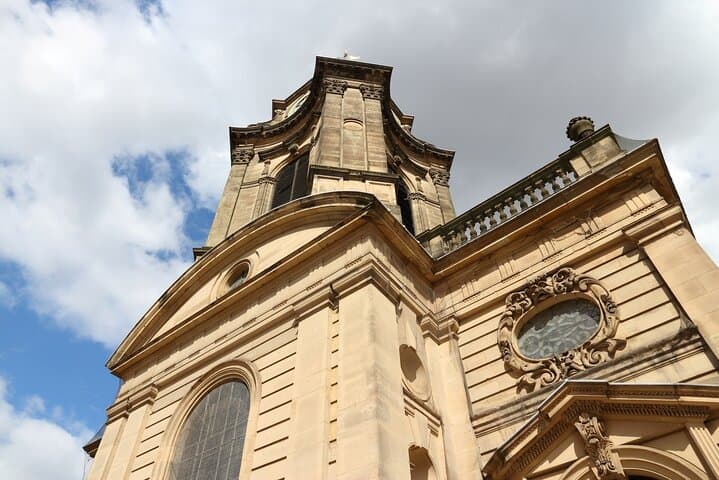

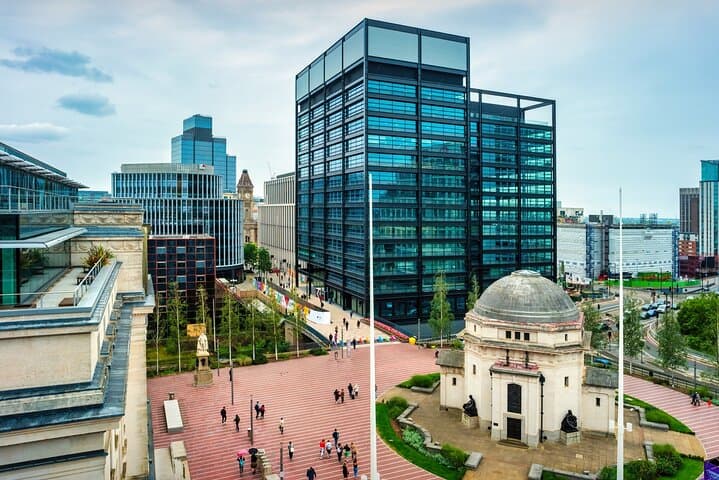

You step off the tram into the cool hard light of Centenary Square; the city hums and a row of cast-iron facades waits like an archive opened to the sun. Over the next two hours your private guide threads you through narrow streets where small workshops still ring with the quiet industry of hand tools and loupe-lit benches.
You step off the tram into the cool hard light of Centenary Square; the city hums and a row of cast-iron facades waits like an archive opened to the sun. Over the next two hours your private guide threads you through narrow streets where small workshops still ring with the quiet industry of hand tools and loupe-lit benches.
The Jewellery Quarter grew during the 19th century as Birmingham’s manufacturing engine — rows of purpose-built factories and Georgian squares replaced fields, and the area became one of the world’s foremost centres for jewellery and metalwork. The ground itself is reclaimed industrial soil and sandstone foundations; you’ll notice fine brickwork, iron framed windows, and Victorian civic architecture that mark the transition from handcraft to small-scale mechanisation.
Culturally, the Quarter balances artisan ateliers, independent cafés and heritage museums; St Paul’s Square offers a peaceful brick-clad pause from the surrounding city. Expect stories of family-run firms, wartime shifts in production, and the conservation efforts that have preserved this working quarter.
Practical guidance: the route is entirely on paved city streets and suitable for most fitness levels; comfortable shoes matter more than mountaineering gear. Bring a lightweight rain jacket—Birmingham weather shifts quickly—and a card or contactless payment for small shops. Tours are private; use the time to ask about techniques and suppliers if you’re curious about craft processes. Aim for a morning slot to avoid late-afternoon pedestrian congestion and to catch workshop windows when makers are at benches.