THE ADVENTURE COLLECTIVE® · Independent discovery and booking for outdoor travel

Drive through mangrove trails to green-glass cenotes, taste regional cacao and tequila at Otoch Park, and finish with a beachside lunch—this private Jeep expedition blends Cozumel geology and Mayan culture into a compact, 5-hour circuit.
Drive through mangrove trails to green-glass cenotes, taste regional cacao and tequila at Otoch Park, and finish with a beachside lunch—this private Jeep expedition blends Cozumel geology and Mayan culture into a compact, 5-hour circuit.
Sunlight filters through mangrove roots as a dusted Jeep crunches along a rutted trail toward Aerolito, where a rim of rock opens to reveal a quiet pool the color of green glass. The water seems to hold its breath; the mangrove leaves lean in as if watching you prepare to jump.
Verified experiences and guided adventures in the surrounding area.
Operated by Visit to Cozumel · San Miguel de Cozumel, Quintana Roo
Sunlight filters through mangrove roots as a dusted Jeep crunches along a rutted trail toward Aerolito, where a rim of rock opens to reveal a quiet pool the color of green glass. The water seems to hold its breath; the mangrove leaves lean in as if watching you prepare to jump.
Cozumel’s cenotes are collapsed limestone caverns carved by groundwater over millennia. Aerolito’s stalactites and clear waters give a window into the island’s karst geology, while Otoch Mayan Park layers culture atop that geology — cacao, tequila, hand-made tortillas and a staged purification ceremony that traces living traditions to Mayan roots. San Martin Beach on the island’s west coast offers a breezy contrast: shallow reef flats, native seabirds, and a straightforward lunch of local fajitas.
Expect easy to moderate terrain: short stair descents into cenotes, sandy paths, and flat jeep tracks; no significant elevation gain. The private Jeep format means timely returns for cruise passengers and a bilingual guide who handles logistics and on-site interpretation.
Practical guidance: bring reef-safe sunscreen, water shoes for slick limestone, and a towel; you’ll swim in freshwater cenotes and walk through shaded trails. The itinerary runs about five hours and calls for moderate fitness and basic swimming ability. Photography is rewarding in the dappled light, and respecting local rituals and conservation rules keeps these places open to visitors. Arrive hydrated, plan for warm, humid conditions, and leave only footprints.
moderate.
5 hours.
Moderate—able to walk short uneven trails, descend steps into cenotes, and swim short distances.
The tour is approximately five hours and is designed for cruise passengers; confirm pickup that allows timely return to your ship.
Yes—cenotes visited are safe for casual swimming; basic swimming ability is required and life vests are typically available.
The ceremony presented at Otoch Park is a cultural performance inspired by traditional Mayan practices led by local interpreters; it is respectful but staged for visitors.
Yes—the tour notes vegetarian options and staff can usually accommodate common dietary needs if informed in advance.
Cozumel was an important island for the Maya, visited historically for pilgrimage and salt; many coastal and inland sites reflect long-standing human use of island resources.
Cenotes and reefs are ecologically sensitive—use reef-safe products, avoid single-use plastics, and follow guides’ rules to minimize impact.
Visit to Cozumel operates guided outdoor trips and adventures with an emphasis on safety, stewardship, and memorable experiences.
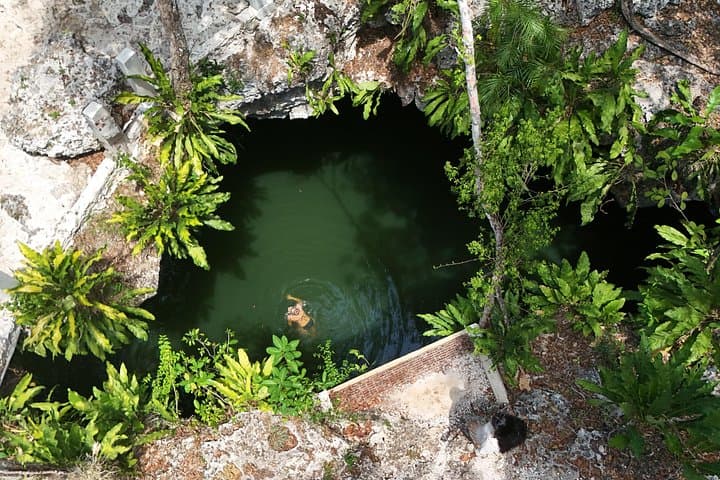
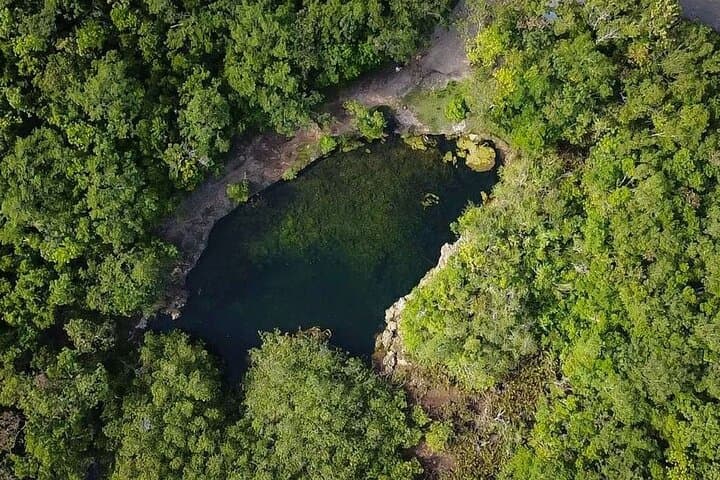


Sunlight filters through mangrove roots as a dusted Jeep crunches along a rutted trail toward Aerolito, where a rim of rock opens to reveal a quiet pool the color of green glass. The water seems to hold its breath; the mangrove leaves lean in as if watching you prepare to jump.
Sunlight filters through mangrove roots as a dusted Jeep crunches along a rutted trail toward Aerolito, where a rim of rock opens to reveal a quiet pool the color of green glass. The water seems to hold its breath; the mangrove leaves lean in as if watching you prepare to jump.
Cozumel’s cenotes are collapsed limestone caverns carved by groundwater over millennia. Aerolito’s stalactites and clear waters give a window into the island’s karst geology, while Otoch Mayan Park layers culture atop that geology — cacao, tequila, hand-made tortillas and a staged purification ceremony that traces living traditions to Mayan roots. San Martin Beach on the island’s west coast offers a breezy contrast: shallow reef flats, native seabirds, and a straightforward lunch of local fajitas.
Expect easy to moderate terrain: short stair descents into cenotes, sandy paths, and flat jeep tracks; no significant elevation gain. The private Jeep format means timely returns for cruise passengers and a bilingual guide who handles logistics and on-site interpretation.
Practical guidance: bring reef-safe sunscreen, water shoes for slick limestone, and a towel; you’ll swim in freshwater cenotes and walk through shaded trails. The itinerary runs about five hours and calls for moderate fitness and basic swimming ability. Photography is rewarding in the dappled light, and respecting local rituals and conservation rules keeps these places open to visitors. Arrive hydrated, plan for warm, humid conditions, and leave only footprints.