THE ADVENTURE COLLECTIVE® · Independent discovery and booking for outdoor travel

Wear a Kyoto-grade kimono, get professionally styled, and have studio or garden portraits taken with a licensed guide and hotel pickup from Tokyo. This private three-hour session delivers high-quality digital photos and a close-up look at traditional dress and craft.
Wear a Kyoto-grade kimono, get professionally styled, and have studio or garden portraits taken with a licensed guide and hotel pickup from Tokyo. This private three-hour session delivers high-quality digital photos and a close-up look at traditional dress and craft.
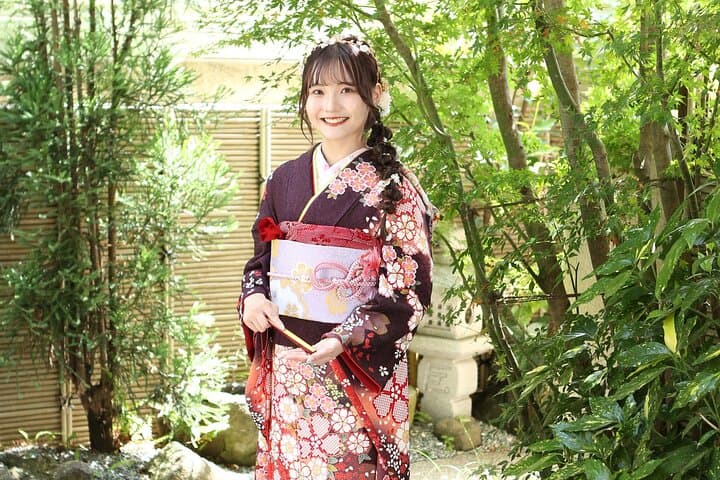
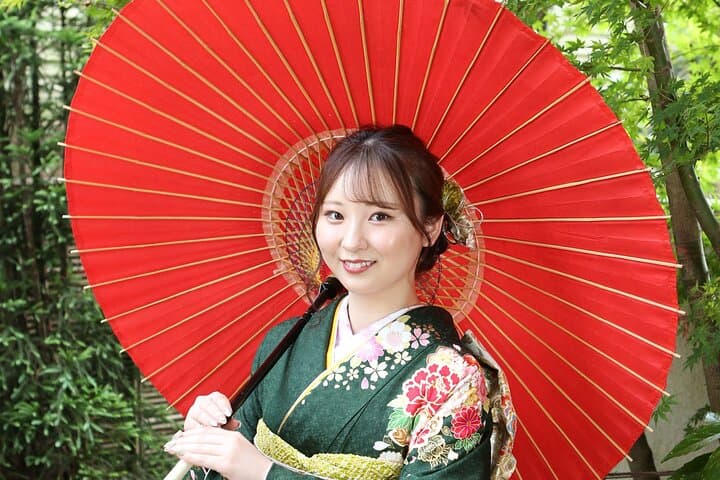
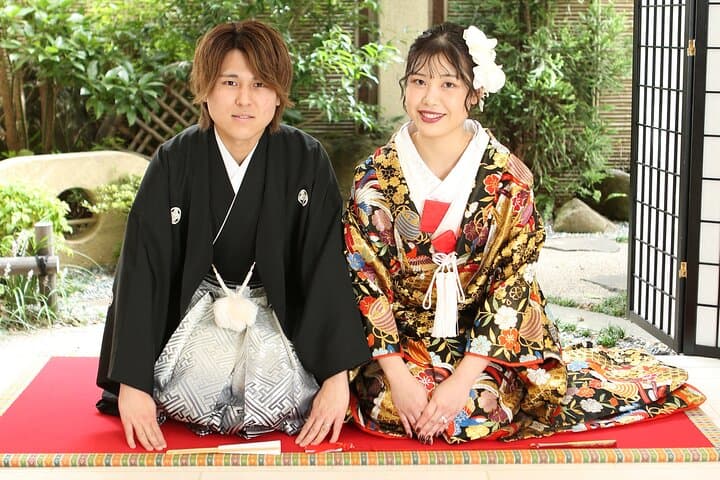
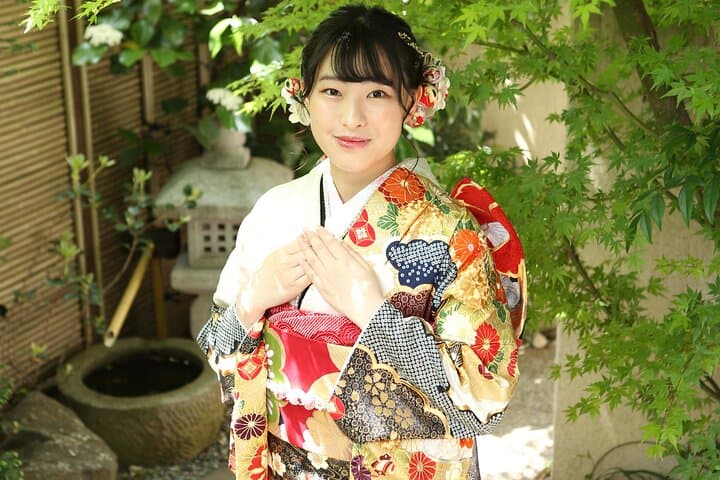
Steam of warm tea hangs in the studio as an attendant smooths silk over your shoulders and the first obi knot is tightened; light from a frosted window picks out the embroidered cranes and gold thread. You stand small and deliberate in a garment that has been worn across centuries, while a photographer tests angles and the guide quietly adjusts a sleeve.
Verified experiences and guided adventures in the surrounding area.
Operated by MY Travel Consulting · Chiba, Chiba Prefecture
Steam of warm tea hangs in the studio as an attendant smooths silk over your shoulders and the first obi knot is tightened; light from a frosted window picks out the embroidered cranes and gold thread. You stand small and deliberate in a garment that has been worn across centuries, while a photographer tests angles and the guide quietly adjusts a sleeve.
The kimono itself carries history: hand-dyed and woven traditions that trace to Kyoto’s weaving houses and Edo-period dress codes. The studio sits on the edge of the greater Tokyo plain on the Bōsō Peninsula — coastal lowlands and gently rolling hills shaped by river deposits rather than dramatic peaks — a quiet counterpoint to the capital’s concrete geometry.
This private, three-hour session includes kimono selection (often wedding-grade silk imported from Kyoto), professional dressing and hairstyling, and a studio or traditional-garden photoshoot. A licensed English-speaking guide handles logistics and hotel pickup for a 1.5-hour transfer from central Tokyo.
Expect deliberate pacing: dressing can take 30–60 minutes; photos and final delivery of digital files complete the session. Practical points matter here — modest undergarments, flat shoes for travel, and avoiding heavy perfumes protect delicate fabric. Photographers will stage both formal portraits and relaxed poses; the finished images are delivered as digital data.
For planning: book in advance for weekends and cherry blossom season, confirm hair-and-makeup preferences, and communicate any mobility or sizing needs. The experience balances cultural depth and convenience — a concise, high-quality way to wear traditional dress and take home professional images without navigating crowded public kimono rental streets.
easy.
3 hours.
Moderate — able to stand for short portrait sessions and navigate standard studio steps
The full session is about three hours, including dressing, hair-setting, and the photoshoot; plan for 30–60 minutes for dressing alone.
Yes — a professional photographer shoots the session and digital image files are delivered as data after the session.
Yes — the tour includes licensed-guide hotel pickup from Tokyo; confirm your pickup location at booking.
You can view and select from high-quality kimono imported from Kyoto; inform the operator of sizing needs in advance to ensure a good fit.
Kimono evolved over centuries from Heian and Edo-era dress codes; many studio kimonos are woven and dyed using techniques preserved in Kyoto workshops.
Choose operators who preserve and respectfully care for vintage and ceremonial kimono; reusing and professional maintenance reduce waste and support textile craftsmanship.
MY Travel Consulting operates guided outdoor trips and adventures with an emphasis on safety, stewardship, and memorable experiences.
Steam of warm tea hangs in the studio as an attendant smooths silk over your shoulders and the first obi knot is tightened; light from a frosted window picks out the embroidered cranes and gold thread. You stand small and deliberate in a garment that has been worn across centuries, while a photographer tests angles and the guide quietly adjusts a sleeve.
Steam of warm tea hangs in the studio as an attendant smooths silk over your shoulders and the first obi knot is tightened; light from a frosted window picks out the embroidered cranes and gold thread. You stand small and deliberate in a garment that has been worn across centuries, while a photographer tests angles and the guide quietly adjusts a sleeve.
The kimono itself carries history: hand-dyed and woven traditions that trace to Kyoto’s weaving houses and Edo-period dress codes. The studio sits on the edge of the greater Tokyo plain on the Bōsō Peninsula — coastal lowlands and gently rolling hills shaped by river deposits rather than dramatic peaks — a quiet counterpoint to the capital’s concrete geometry.
This private, three-hour session includes kimono selection (often wedding-grade silk imported from Kyoto), professional dressing and hairstyling, and a studio or traditional-garden photoshoot. A licensed English-speaking guide handles logistics and hotel pickup for a 1.5-hour transfer from central Tokyo.
Expect deliberate pacing: dressing can take 30–60 minutes; photos and final delivery of digital files complete the session. Practical points matter here — modest undergarments, flat shoes for travel, and avoiding heavy perfumes protect delicate fabric. Photographers will stage both formal portraits and relaxed poses; the finished images are delivered as digital data.
For planning: book in advance for weekends and cherry blossom season, confirm hair-and-makeup preferences, and communicate any mobility or sizing needs. The experience balances cultural depth and convenience — a concise, high-quality way to wear traditional dress and take home professional images without navigating crowded public kimono rental streets.