THE ADVENTURE COLLECTIVE® · Independent discovery and booking for outdoor travel

See Jaipur’s highlights in a single day from a private tuk‑tuk: Amber Fort, Hawa Mahal, Jal Mahal, Jantar Mantar and more with a local storyteller. An efficient, open‑air way to experience the Pink City’s architecture, markets and history.
See Jaipur’s highlights in a single day from a private tuk‑tuk: Amber Fort, Hawa Mahal, Jal Mahal, Jantar Mantar and more with a local storyteller. An efficient, open‑air way to experience the Pink City’s architecture, markets and history.
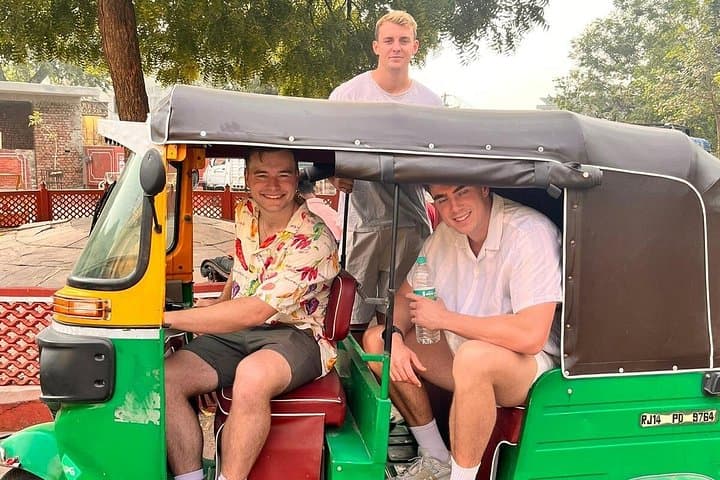
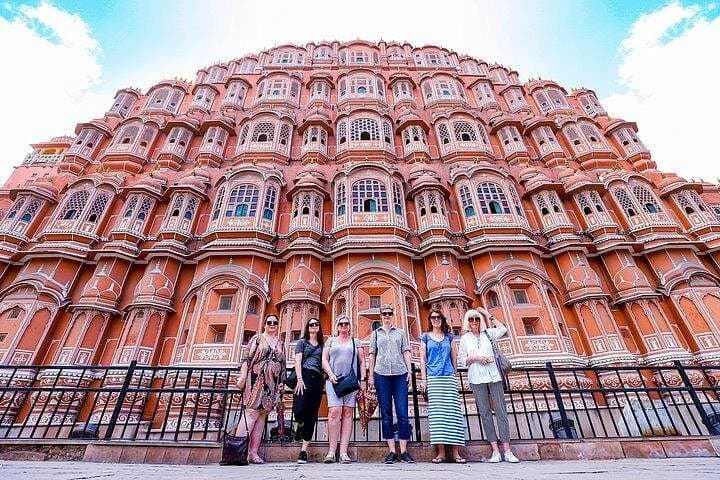
The rattle of a three-wheeled tuk‑tuk pushes you through a maze of ochre lanes, spices hanging in the air and street vendors calling across narrow alleys. Windows of Hawa Mahal’s honeycombed façade lean toward you while the tuk‑tuk slips through a living street—saris, bicycles and temple bells folding into the soundtrack.
Verified experiences and guided adventures in the surrounding area.
Operated by Rajasthan India Tour Driver · Jaipur, Rajasthan
The rattle of a three-wheeled tuk‑tuk pushes you through a maze of ochre lanes, spices hanging in the air and street vendors calling across narrow alleys. Windows of Hawa Mahal’s honeycombed façade lean toward you while the tuk‑tuk slips through a living street—saris, bicycles and temple bells folding into the soundtrack.
Jaipur was planned and founded in 1727 by Maharaja Sawai Jai Singh II; its grid layout and the ochre “pink” façades signal an 18th‑century ambition to blend Mughal and Rajput architecture. Amber Fort perches on a scarp of Aravalli rock, quarried locally, its ramparts reading like layered sandstone verses. Jal Mahal sits afloat in Man Sagar Lake, a reminder of historic water‑management and recent restoration efforts to revive urban wetlands.
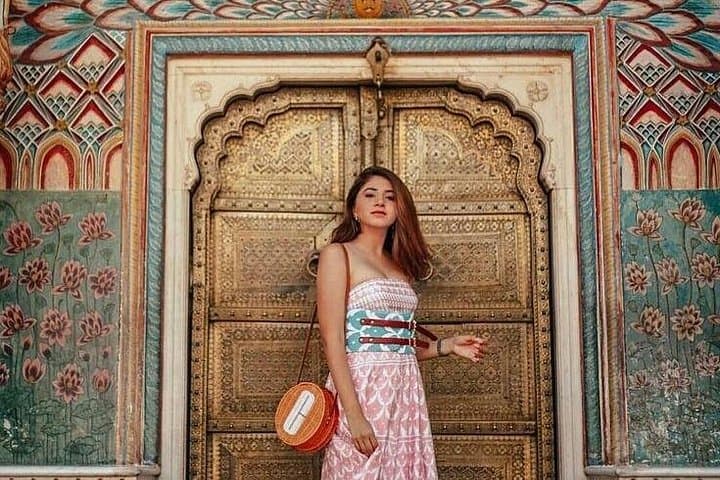
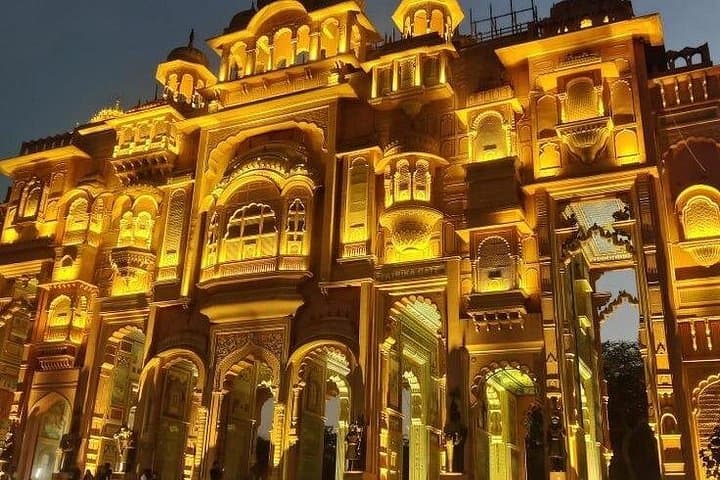
This private, full‑day tuk‑tuk tour covers Amber Fort, Panna Meena stepwell, Jal Mahal, Hawa Mahal, City Palace, Jantar Mantar, Albert Hall and the Royal Gaitor cenotaphs, with pickup and drop‑off included. A local storyteller provides context—court rituals, astronomical instruments, and the market’s bargaining rhythms—while the open vehicle keeps you connected to the city’s sensory details.
Practical guidance: start early to avoid midday heat and long lines at Amber; bring cash for small purchases and modest clothing for palace and temple areas. Expect uneven stone steps at historic sites and narrow traffic when stopping in bazaars. Hydrate frequently and schedule time for short walks at each attraction—the tuk‑tuk handles the gaps, but most highlights require on‑foot exploration.
easy.
8–9 hours.
Suitable for travelers in normal walking condition—expect short walks, steps, and some standing.
Yes — this is a private tuk‑tuk tour with a driver and local storyteller; vehicle and pickup/drop‑off are included.
Admissions are generally not included; plan to pay entry fees at major sites like Amber Fort and City Palace separately.
Yes — the tour is suitable for most ages, but be mindful of steps at historic sites and busy bazaars; notify providers of mobility needs when booking.
The tour runs approximately 8–9 hours (480–540 minutes) and covers multiple stops with time for short walks at each attraction.
Jaipur was founded in 1727 by Maharaja Sawai Jai Singh II and planned on a grid pattern; many monuments reflect a blend of Rajput and Mughal styles.
Man Sagar Lake and Jal Mahal have undergone restoration to control silt and improve wetland habitat; visitors should minimize litter and avoid disturbing shorelines.
Rajasthan India Tour Driver operates guided outdoor trips and adventures with an emphasis on safety, stewardship, and memorable experiences.
The rattle of a three-wheeled tuk‑tuk pushes you through a maze of ochre lanes, spices hanging in the air and street vendors calling across narrow alleys. Windows of Hawa Mahal’s honeycombed façade lean toward you while the tuk‑tuk slips through a living street—saris, bicycles and temple bells folding into the soundtrack.
The rattle of a three-wheeled tuk‑tuk pushes you through a maze of ochre lanes, spices hanging in the air and street vendors calling across narrow alleys. Windows of Hawa Mahal’s honeycombed façade lean toward you while the tuk‑tuk slips through a living street—saris, bicycles and temple bells folding into the soundtrack.
Jaipur was planned and founded in 1727 by Maharaja Sawai Jai Singh II; its grid layout and the ochre “pink” façades signal an 18th‑century ambition to blend Mughal and Rajput architecture. Amber Fort perches on a scarp of Aravalli rock, quarried locally, its ramparts reading like layered sandstone verses. Jal Mahal sits afloat in Man Sagar Lake, a reminder of historic water‑management and recent restoration efforts to revive urban wetlands.
This private, full‑day tuk‑tuk tour covers Amber Fort, Panna Meena stepwell, Jal Mahal, Hawa Mahal, City Palace, Jantar Mantar, Albert Hall and the Royal Gaitor cenotaphs, with pickup and drop‑off included. A local storyteller provides context—court rituals, astronomical instruments, and the market’s bargaining rhythms—while the open vehicle keeps you connected to the city’s sensory details.
Practical guidance: start early to avoid midday heat and long lines at Amber; bring cash for small purchases and modest clothing for palace and temple areas. Expect uneven stone steps at historic sites and narrow traffic when stopping in bazaars. Hydrate frequently and schedule time for short walks at each attraction—the tuk‑tuk handles the gaps, but most highlights require on‑foot exploration.