THE ADVENTURE COLLECTIVE® · Independent discovery and booking for outdoor travel

See Jaipur’s top sites in a single private day: Amber Fort’s hilltop ramparts, the pink façades of Hawa Mahal, and the stone instruments of Jantar Mantar. This guided, all‑inclusive option pairs local history with practical logistics for a full‑day introduction to the Pink City.
See Jaipur’s top sites in a single private day: Amber Fort’s hilltop ramparts, the pink façades of Hawa Mahal, and the stone instruments of Jantar Mantar. This guided, all‑inclusive option pairs local history with practical logistics for a full‑day introduction to the Pink City.
Morning light hits the pink façades of Jaipur and the city wakes with a patter of rickshaws and vendors preparing chai.
Verified experiences and guided adventures in the surrounding area.
Operated by TF Holidays India · Jaipur, Rajasthan
Morning light hits the pink façades of Jaipur and the city wakes with a patter of rickshaws and vendors preparing chai.
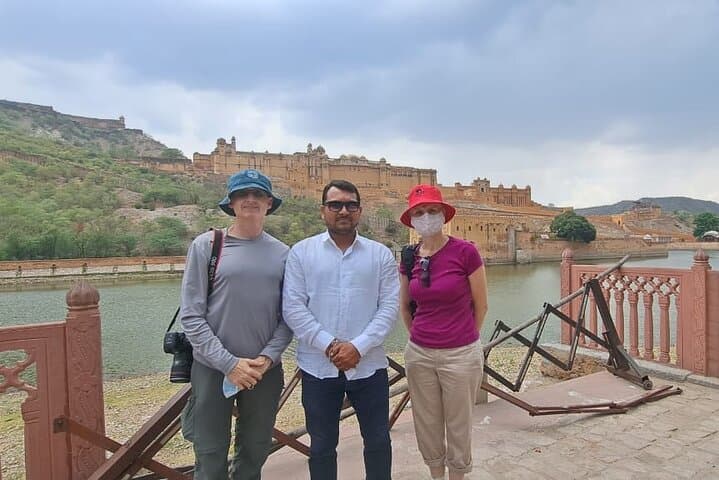
On a private full-day tour, travelers move from the low-slung lanes of the Old City to the fortresses that guard its rim: Amber Fort rising above Maota Lake, the artillery terraces of Jaigarh, and the honey‑colored balconies of Hawa Mahal. The Aravalli hills press close like a low shoulder, shaping views and routes as you drive between sites.
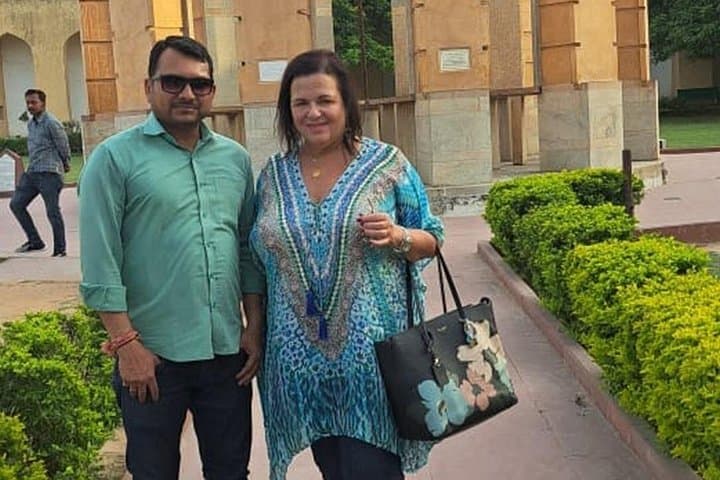
Jaipur was laid out in 1727 by Maharaja Sawai Jai Singh II as a planned capital; its broad bazaars, palaces of red and pink sandstone, and the astronomical instruments of Jantar Mantar reflect a mix of Rajput court style and scientific ambition. The city’s geology—ancient Aravalli rock—provided stone for the forts and a defensible ridge for Nahargarh and Jaigarh.
Practically, this private option compresses the city’s highlights into an 8–10 hour loop with hotel pickup and an English-speaking guide. Visitors should expect short walks, many stone steps at forts, and marketplace crowds at City Palace and bazaars. Monuments generally require separate tickets (guide can assist), and modest dress is recommended at religious sites. Start early to beat midday heat and allow time at fewer sites for a deeper look.
Comfortable shoes, sun protection, and a reusable water bottle make the day more pleasant. For first‑time visitors who want history, architecture and local context without logistics stress, a private day tour is an efficient, approachable way into Jaipur’s layered streets and ramparts.
easy.
8–10 hours.
Suitable for most travelers who can walk short distances and climb stairs; not strenuous but involves standing and steps.
No—monument tickets are usually not included; the guide can assist with purchase and recommend combined tickets where available.
Yes—it's physically easy overall, but expect climbs and uneven steps at forts; inform the operator of mobility needs in advance.
Yes—this private tour is customizable within the allotted time; discuss priorities with your guide at booking or pickup.
Yes—air‑conditioned private car transport with hotel pickup and drop-off is included in this private tour.
Jaipur was founded in 1727 by Maharaja Sawai Jai Singh II as a grid-planned capital; many palaces and observatories date from his reign and reflect Rajput architecture and scientific interests.
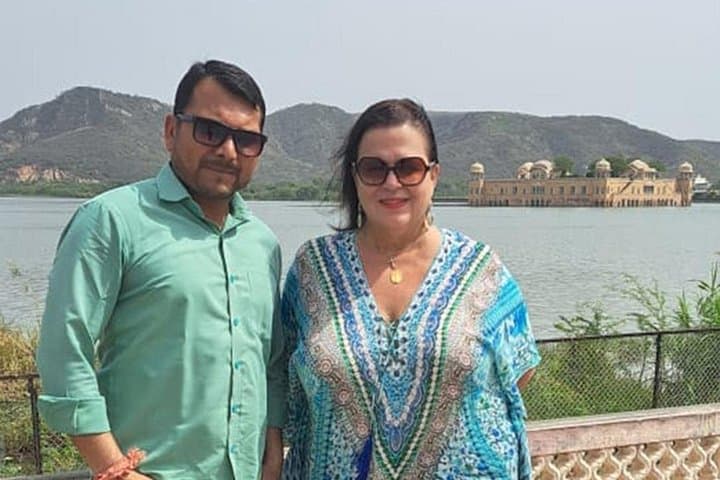
Man Sagar Lake and Jal Mahal have undergone restoration to improve habitat and reduce pollution; visitors are encouraged to avoid feeding wildlife and minimize plastic waste.
TF Holidays India operates guided outdoor trips and adventures with an emphasis on safety, stewardship, and memorable experiences.
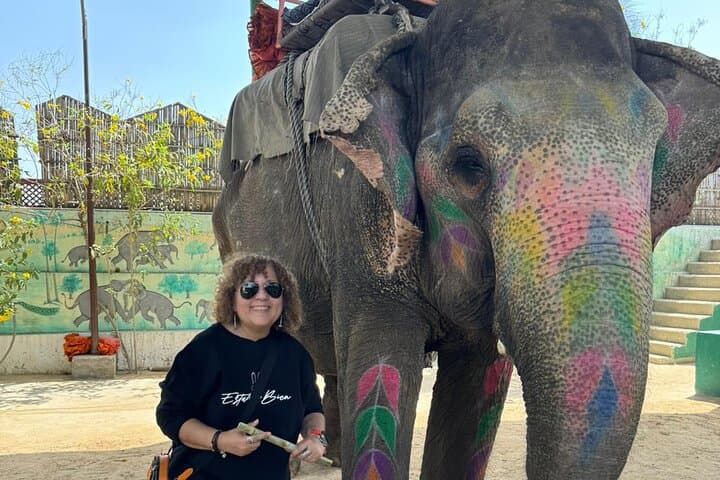
Morning light hits the pink façades of Jaipur and the city wakes with a patter of rickshaws and vendors preparing chai.
Morning light hits the pink façades of Jaipur and the city wakes with a patter of rickshaws and vendors preparing chai.
On a private full-day tour, travelers move from the low-slung lanes of the Old City to the fortresses that guard its rim: Amber Fort rising above Maota Lake, the artillery terraces of Jaigarh, and the honey‑colored balconies of Hawa Mahal. The Aravalli hills press close like a low shoulder, shaping views and routes as you drive between sites.
Jaipur was laid out in 1727 by Maharaja Sawai Jai Singh II as a planned capital; its broad bazaars, palaces of red and pink sandstone, and the astronomical instruments of Jantar Mantar reflect a mix of Rajput court style and scientific ambition. The city’s geology—ancient Aravalli rock—provided stone for the forts and a defensible ridge for Nahargarh and Jaigarh.
Practically, this private option compresses the city’s highlights into an 8–10 hour loop with hotel pickup and an English-speaking guide. Visitors should expect short walks, many stone steps at forts, and marketplace crowds at City Palace and bazaars. Monuments generally require separate tickets (guide can assist), and modest dress is recommended at religious sites. Start early to beat midday heat and allow time at fewer sites for a deeper look.
Comfortable shoes, sun protection, and a reusable water bottle make the day more pleasant. For first‑time visitors who want history, architecture and local context without logistics stress, a private day tour is an efficient, approachable way into Jaipur’s layered streets and ramparts.