THE ADVENTURE COLLECTIVE® · Independent discovery and booking for outdoor travel

Walk Whitechapel after dark with a private guide who blends historical evidence and atmospheric storytelling. This 90‑minute ghost walk explores the sites and social history behind the Jack the Ripper cases while offering practical tips for navigating narrow, uneven streets at night.
Walk Whitechapel after dark with a private guide who blends historical evidence and atmospheric storytelling. This 90‑minute ghost walk explores the sites and social history behind the Jack the Ripper cases while offering practical tips for navigating narrow, uneven streets at night.
The lamp-lit stretch of Whitechapel narrows as the group falls into step—cobblestones click underfoot and narrow alleys seem to fold inward, daring you to slow. A guide moves ahead, voice low and factual, pointing out doorways and curbs that still carry the imprint of late‑Victorian London. The tour places travelers in the city’s darker chapter: the 1888 Whitechapel murders and the social conditions that let anonymity thrive.
Verified experiences and guided adventures in the surrounding area.
Operated by Lantern Ghost Tours · London, England
The lamp-lit stretch of Whitechapel narrows as the group falls into step—cobblestones click underfoot and narrow alleys seem to fold inward, daring you to slow. A guide moves ahead, voice low and factual, pointing out doorways and curbs that still carry the imprint of late‑Victorian London. The tour places travelers in the city’s darker chapter: the 1888 Whitechapel murders and the social conditions that let anonymity thrive.
Whitechapel is both working-class neighborhood and palimpsest: Georgian terraces sit beside Victorian housing blocks and old markets. Geology matters only in the sense of the Thames’s rise and fall shaping riverside trade; culturally, this was a crossroads for migrants from across the British Empire, reflected today in curry houses and street art along Brick Lane. The story told here is forensic and social—police methods of the era, contemporary conspiracy theories, and the public reaction that changed policing and forensics.
Practically, expect 90 minutes of walking on uneven pavements and short alleyways at night; a private group of up to 10 keeps the pace steady. Guides stay anchored in historic records while dramatizing the setting; this is storytelling framed by primary sources and local memory rather than sensational fiction. Wear grippy shoes, bring a compact torch, and allow travel time—the area is best reached by Tube to Aldgate East or Whitechapel. Tours commonly start around 7:30pm but can be scheduled differently; check booking details and the 24‑hour cancellation window. Respect private property and the local community—this is a living neighborhood, not a stage.
moderate.
1.5 hours.
Able to walk at a steady pace for 90 minutes over uneven urban pavement; not strenuous but requires mobility.
Tours are automatically booked for 7:30pm but private group times can often be arranged—confirm with the operator at booking.
Minimum age is 16 due to mature subject matter; younger guests are generally not permitted.
No—narrow alleys, steps, and uneven cobbles make full accessibility challenging; contact the operator to discuss alternatives.
Full refund is available if you cancel at least 24 hours before the scheduled departure; tours may be canceled for bad weather or insufficient travelers.
Whitechapel in the late 19th century was a densely populated, economically stressed area that drew immigrant communities and hosted the social conditions in which the 1888 murders occurred.
Tours should minimize noise and foot traffic in sensitive residential alleys; support local businesses and respect historic sites to help preserve the neighborhood’s character.
Lantern Ghost Tours operates guided outdoor trips and adventures with an emphasis on safety, stewardship, and memorable experiences.
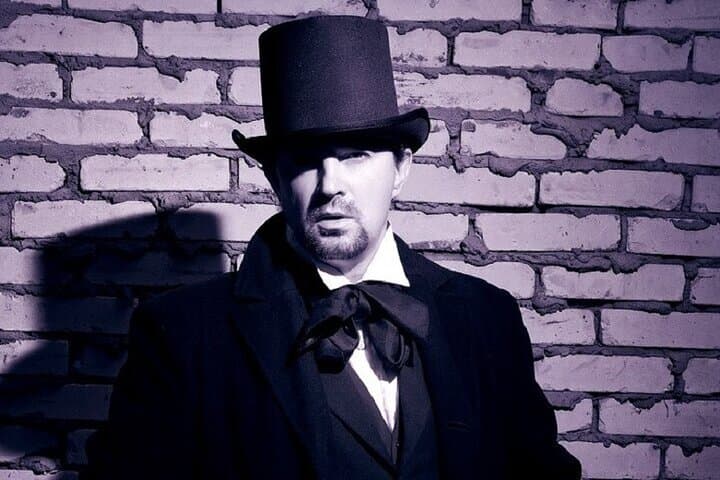
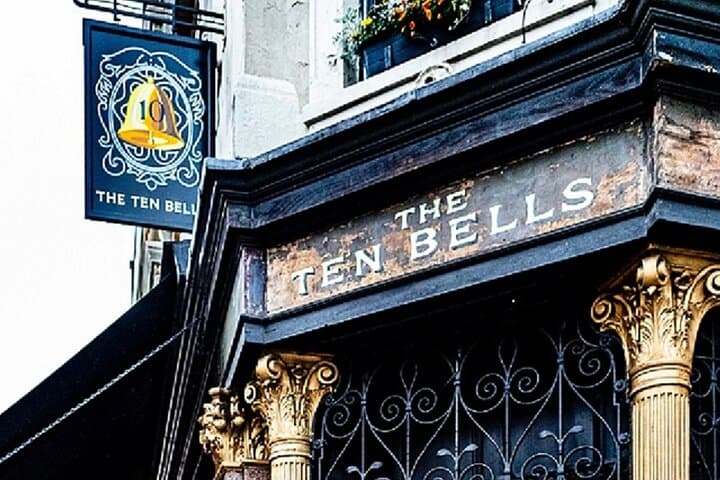
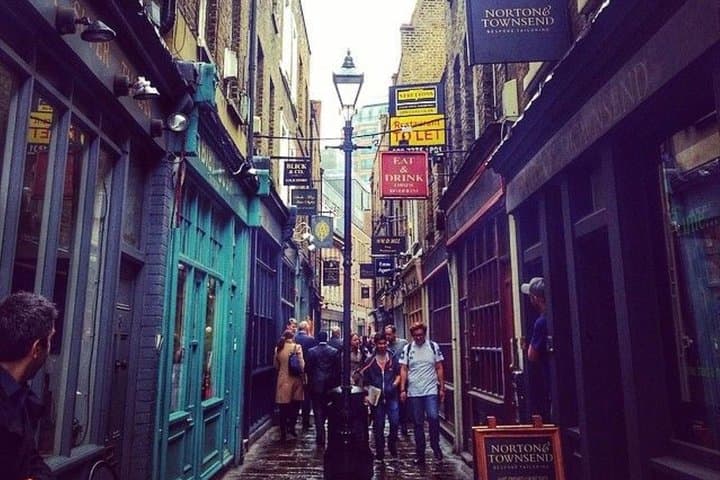
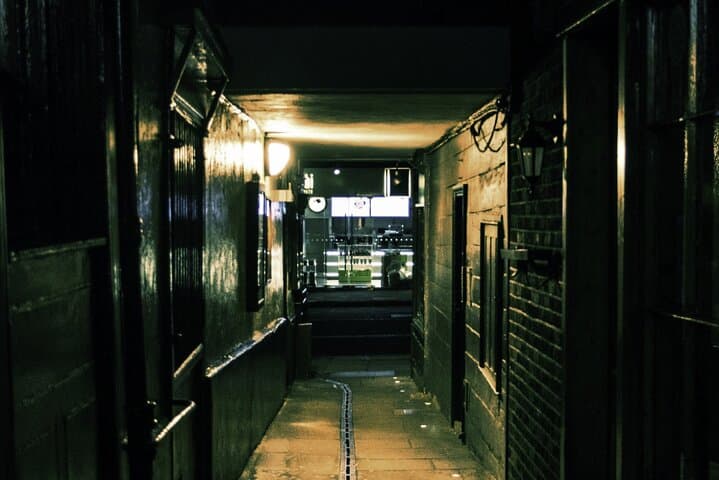
The lamp-lit stretch of Whitechapel narrows as the group falls into step—cobblestones click underfoot and narrow alleys seem to fold inward, daring you to slow. A guide moves ahead, voice low and factual, pointing out doorways and curbs that still carry the imprint of late‑Victorian London. The tour places travelers in the city’s darker chapter: the 1888 Whitechapel murders and the social conditions that let anonymity thrive.
The lamp-lit stretch of Whitechapel narrows as the group falls into step—cobblestones click underfoot and narrow alleys seem to fold inward, daring you to slow. A guide moves ahead, voice low and factual, pointing out doorways and curbs that still carry the imprint of late‑Victorian London. The tour places travelers in the city’s darker chapter: the 1888 Whitechapel murders and the social conditions that let anonymity thrive.
Whitechapel is both working-class neighborhood and palimpsest: Georgian terraces sit beside Victorian housing blocks and old markets. Geology matters only in the sense of the Thames’s rise and fall shaping riverside trade; culturally, this was a crossroads for migrants from across the British Empire, reflected today in curry houses and street art along Brick Lane. The story told here is forensic and social—police methods of the era, contemporary conspiracy theories, and the public reaction that changed policing and forensics.
Practically, expect 90 minutes of walking on uneven pavements and short alleyways at night; a private group of up to 10 keeps the pace steady. Guides stay anchored in historic records while dramatizing the setting; this is storytelling framed by primary sources and local memory rather than sensational fiction. Wear grippy shoes, bring a compact torch, and allow travel time—the area is best reached by Tube to Aldgate East or Whitechapel. Tours commonly start around 7:30pm but can be scheduled differently; check booking details and the 24‑hour cancellation window. Respect private property and the local community—this is a living neighborhood, not a stage.