THE ADVENTURE COLLECTIVE® · Independent discovery and booking for outdoor travel

Escape the crowds on a private full-day boat trip from Puntarenas to Isla Tortuga—white sand beaches, guided snorkeling on coral gardens, dolphin sightings, and a chance to watch spider monkeys on a nearby islet. This practical guide explains what to expect and how to prepare.
Escape the crowds on a private full-day boat trip from Puntarenas to Isla Tortuga—white sand beaches, guided snorkeling on coral gardens, dolphin sightings, and a chance to watch spider monkeys on a nearby islet. This practical guide explains what to expect and how to prepare.
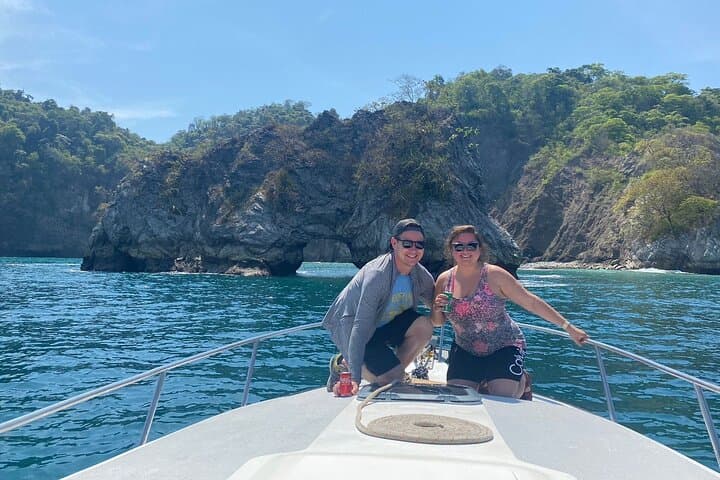
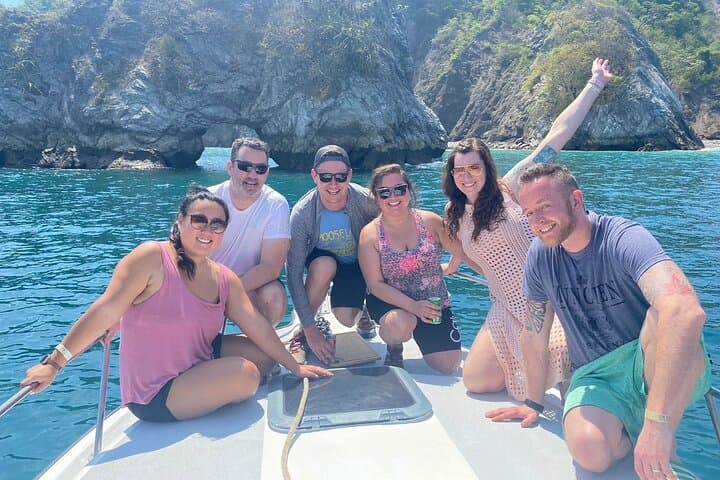
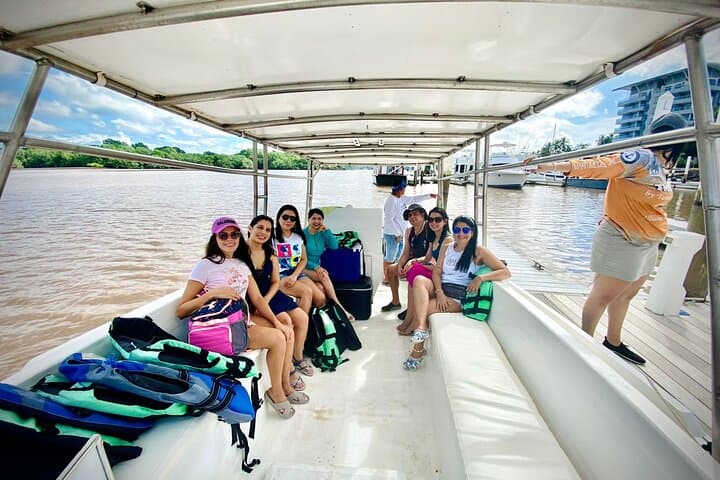
You step onto the sportfishing boat as Puntarenas melts behind you—harbor cranes give way to open water and a string of small islands slides into view. The engine hum becomes a promise: seven hours of sun, reef, and salt-washed trails through one of the Gulf of Nicoya’s best day-trip playgrounds.
Verified experiences and guided adventures in the surrounding area.
Operated by Turismo Marítimo del Pacífico · Puntarenas, Puntarenas Province
You step onto the sportfishing boat as Puntarenas melts behind you—harbor cranes give way to open water and a string of small islands slides into view. The engine hum becomes a promise: seven hours of sun, reef, and salt-washed trails through one of the Gulf of Nicoya’s best day-trip playgrounds.
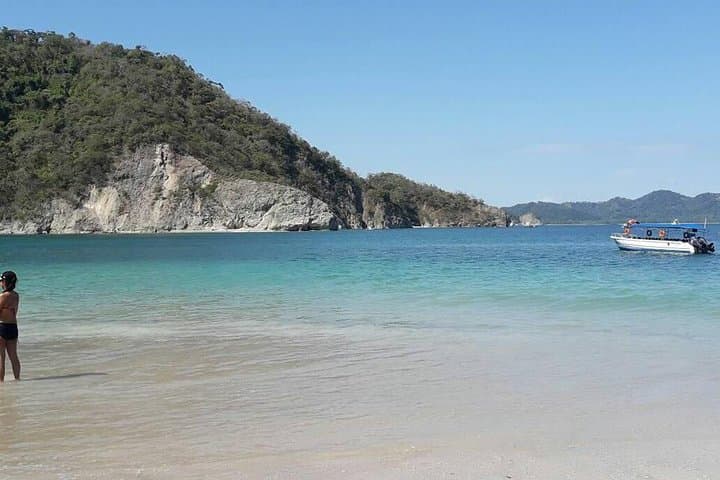
Isla Tortuga sits on uplifted volcanic benches and coral outcrops carved by Pacific swells. Spanish-era maps show these islets as navigation markers for coastal traders; today they’re known for white sand beaches, shallow reefs, and small wildlife refuges that still host spider monkeys and coastal seabirds. The region’s mix of volcanic bedrock and reef rubble creates clear patches for snorkeling and shaded mangrove fingers where dolphins often weave.
Local culture here is straightforward: small-scale fisheries, coastal fruit stands, and marinas that run day trips with simple hearty lunches—ceviche, grilled tuna or chicken, tropical fruit—and plenty of island hospitality. Guides point out the stone arch, the spider monkey colony on Negritos, and the quieter coves that avoid the cruise-ship crowds.
Practical guidance: expect a full day on a comfortable boat—bring reef-safe sunscreen, a reusable water bottle, and footwear that handles sand and slippery docks. Snorkeling equipment is provided, but a well-fitting mask makes a big difference. Plan for early departures to catch calmer seas and more active marine life, and heed guides’ safety briefings around currents and coral protection.
easy.
7 hours.
Suitable for most fitness levels; ability to board small boats and stand on uneven sand recommended
The tour is a full day—about seven hours—and includes boat transport, lunch (chicken, tuna or vegetarian), bottled water, snacks, snorkeling equipment, guide services and opportunities for dolphin and monkey viewing.
No—snorkeling is suitable for beginners; guides brief participants and provide masks and life vests, but confident swimming helps.
Yes; infants can travel but must sit on laps. Operators list stroller access and recommend supervising children closely around water.
Trips may be canceled for unsafe weather or insufficient passengers; operators typically cancel in heavy rain or rough sea conditions for safety.
The Gulf of Nicoya has long been a coastal trade and fishing corridor; small islands like Tortuga were used as waypoints by indigenous and colonial mariners.
Operators encourage reef-safe sunscreen, no-touch snorkeling, and responsible wildlife viewing to minimize stress on monkeys and marine life.
Turismo Marítimo del Pacífico operates guided outdoor trips and adventures with an emphasis on safety, stewardship, and memorable experiences.
You step onto the sportfishing boat as Puntarenas melts behind you—harbor cranes give way to open water and a string of small islands slides into view. The engine hum becomes a promise: seven hours of sun, reef, and salt-washed trails through one of the Gulf of Nicoya’s best day-trip playgrounds.
You step onto the sportfishing boat as Puntarenas melts behind you—harbor cranes give way to open water and a string of small islands slides into view. The engine hum becomes a promise: seven hours of sun, reef, and salt-washed trails through one of the Gulf of Nicoya’s best day-trip playgrounds.
Isla Tortuga sits on uplifted volcanic benches and coral outcrops carved by Pacific swells. Spanish-era maps show these islets as navigation markers for coastal traders; today they’re known for white sand beaches, shallow reefs, and small wildlife refuges that still host spider monkeys and coastal seabirds. The region’s mix of volcanic bedrock and reef rubble creates clear patches for snorkeling and shaded mangrove fingers where dolphins often weave.
Local culture here is straightforward: small-scale fisheries, coastal fruit stands, and marinas that run day trips with simple hearty lunches—ceviche, grilled tuna or chicken, tropical fruit—and plenty of island hospitality. Guides point out the stone arch, the spider monkey colony on Negritos, and the quieter coves that avoid the cruise-ship crowds.
Practical guidance: expect a full day on a comfortable boat—bring reef-safe sunscreen, a reusable water bottle, and footwear that handles sand and slippery docks. Snorkeling equipment is provided, but a well-fitting mask makes a big difference. Plan for early departures to catch calmer seas and more active marine life, and heed guides’ safety briefings around currents and coral protection.