THE ADVENTURE COLLECTIVE® · Independent discovery and booking for outdoor travel

See Dar es Salaam fast: a private 1–2 hour walking and driving tour that links the Old Boma, Kivukoni Fish Market, Kariakoo and St. Joseph’s Cathedral with local stories and practical context. Ideal for travelers short on time but eager for grounded cultural insight.
See Dar es Salaam fast: a private 1–2 hour walking and driving tour that links the Old Boma, Kivukoni Fish Market, Kariakoo and St. Joseph’s Cathedral with local stories and practical context. Ideal for travelers short on time but eager for grounded cultural insight.
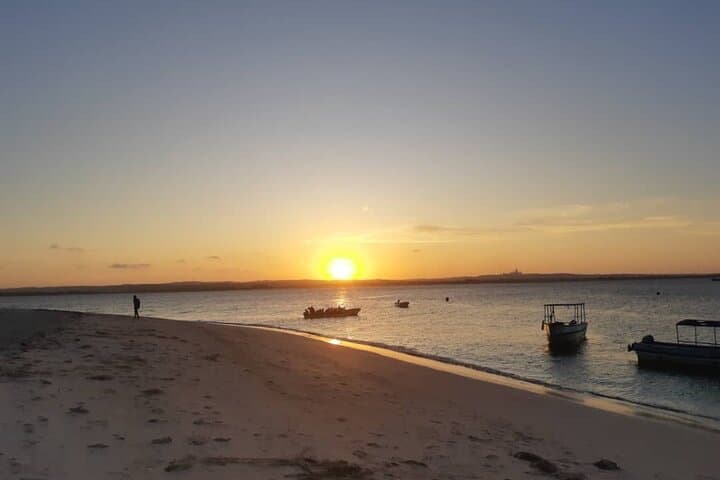
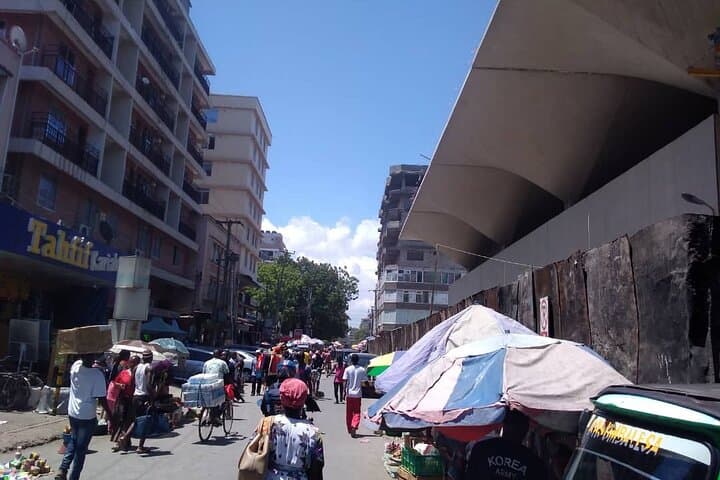
You step off the curb and the city fills in around you: hawkers calling in Swahili, a breeze carrying salt from the harbour, and the thud of market life a block away. This compact private tour stitches together Dar es Salaam’s portfront, colonial stonework and crowded bazaars so the city reads like a living map rather than a set of sights.
Verified experiences and guided adventures in the surrounding area.
Operated by Chuh Chuh Tours · Dar es Salaam, Dar es Salaam Region
You step off the curb and the city fills in around you: hawkers calling in Swahili, a breeze carrying salt from the harbour, and the thud of market life a block away. This compact private tour stitches together Dar es Salaam’s portfront, colonial stonework and crowded bazaars so the city reads like a living map rather than a set of sights.
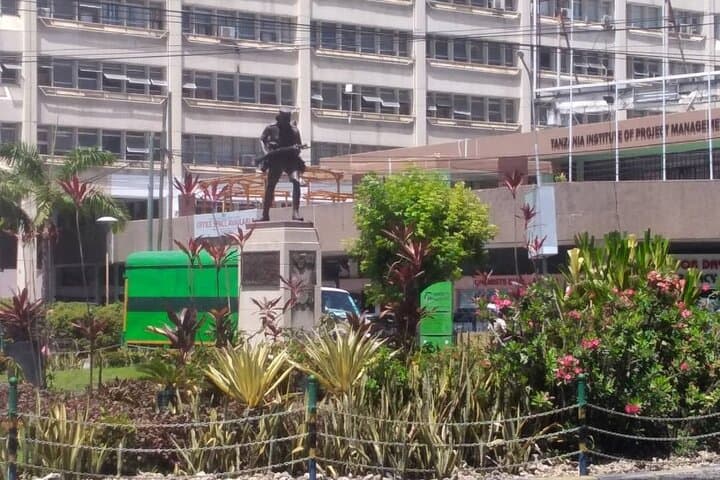
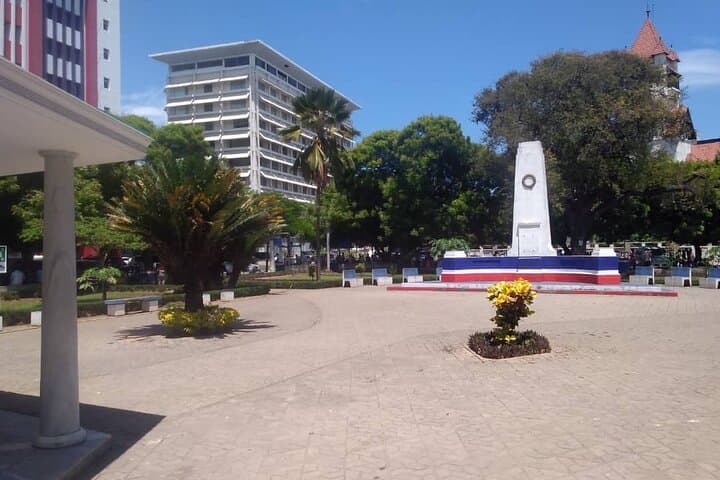
The route threads through history — from the Old Boma, a late-19th-century German administrative building, to St. Joseph’s Cathedral overlooking the port, and the Askari Monument that marks shifting colonial eras. Geologically the city sits on a low coastal plain that slopes to the Indian Ocean, and that proximity shapes everything: fishermen at Kivukoni, trade-driven neighborhoods like Kariakoo, and a culture built on Swahili commerce, faith and food.
Locals will point out political landmarks, point to Mughal and Omani influences in architecture, and explain how Dar’s economy centers on both the port and informal markets. Expect vivid sensory details — the metallic smell of fish at the quay, the crush and color of spices in market stalls, and the rhythm of matatu transport along major corridors.
Practical guidance: the standard tour runs 60–120 minutes and mixes short walks with vehicle transfers. Wear comfortable walking shoes, sun protection and a lightweight rain layer during the wet months. Carry small bills for market purchases, keep valuables secure, and allow an extra 15–30 minutes for traffic. If you have limited time in Dar, this private option delivers concentrated context — history, daily life and local perspective — in an efficient, grounded itinerary.
easy.
1–2 hours.
Light walking ability needed; participants should be comfortable with short stretches of standing, stairs and crowded sidewalks.
Yes — the private format can be paced for families, but expect busy, crowded markets and some street noise; strollers may be impractical in market areas.
Yes — the operator offers secure luggage storage and airport transfers so you can explore without bags.
Local guides usually speak English; you can request other languages ahead of booking but confirm availability at time of reservation.
Full refunds are available if you cancel at least 24 hours before the scheduled departure; late cancellations are non-refundable.
Dar es Salaam grew from a 19th-century fishing village to an Omani trade post and later a German and British administrative center; landmarks reflect those layered influences.
Marine and coastal litter are persistent issues—choose responsible seafood vendors, avoid single-use plastic, and support community clean-up initiatives when possible.
Chuh Chuh Tours operates guided outdoor trips and adventures with an emphasis on safety, stewardship, and memorable experiences.
You step off the curb and the city fills in around you: hawkers calling in Swahili, a breeze carrying salt from the harbour, and the thud of market life a block away. This compact private tour stitches together Dar es Salaam’s portfront, colonial stonework and crowded bazaars so the city reads like a living map rather than a set of sights.
You step off the curb and the city fills in around you: hawkers calling in Swahili, a breeze carrying salt from the harbour, and the thud of market life a block away. This compact private tour stitches together Dar es Salaam’s portfront, colonial stonework and crowded bazaars so the city reads like a living map rather than a set of sights.
The route threads through history — from the Old Boma, a late-19th-century German administrative building, to St. Joseph’s Cathedral overlooking the port, and the Askari Monument that marks shifting colonial eras. Geologically the city sits on a low coastal plain that slopes to the Indian Ocean, and that proximity shapes everything: fishermen at Kivukoni, trade-driven neighborhoods like Kariakoo, and a culture built on Swahili commerce, faith and food.
Locals will point out political landmarks, point to Mughal and Omani influences in architecture, and explain how Dar’s economy centers on both the port and informal markets. Expect vivid sensory details — the metallic smell of fish at the quay, the crush and color of spices in market stalls, and the rhythm of matatu transport along major corridors.
Practical guidance: the standard tour runs 60–120 minutes and mixes short walks with vehicle transfers. Wear comfortable walking shoes, sun protection and a lightweight rain layer during the wet months. Carry small bills for market purchases, keep valuables secure, and allow an extra 15–30 minutes for traffic. If you have limited time in Dar, this private option delivers concentrated context — history, daily life and local perspective — in an efficient, grounded itinerary.