THE ADVENTURE COLLECTIVE® · Independent discovery and booking for outdoor travel

See Iguassu Falls from two perspectives in a single day: intimate walkways and base platforms on the Argentine side, and sweeping panoramas on the Brazilian side. This private tour streamlines park logistics so you can focus on the power and scale of one of South America's great waterfalls.
See Iguassu Falls from two perspectives in a single day: intimate walkways and base platforms on the Argentine side, and sweeping panoramas on the Brazilian side. This private tour streamlines park logistics so you can focus on the power and scale of one of South America's great waterfalls.
The day opens with the rumble of water before the falls come into view — a steady, insistent voice that grows until the forest seems to lean in to listen. Visitors meet at the park gates as the morning light threads through the subtropical canopy; humid air lifts fine spray from the cataracts and rainbows stitch the gorge.
Verified experiences and guided adventures in the surrounding area.
Operated by HND · Puerto Iguazú, Misiones
The day opens with the rumble of water before the falls come into view — a steady, insistent voice that grows until the forest seems to lean in to listen. Visitors meet at the park gates as the morning light threads through the subtropical canopy; humid air lifts fine spray from the cataracts and rainbows stitch the gorge.
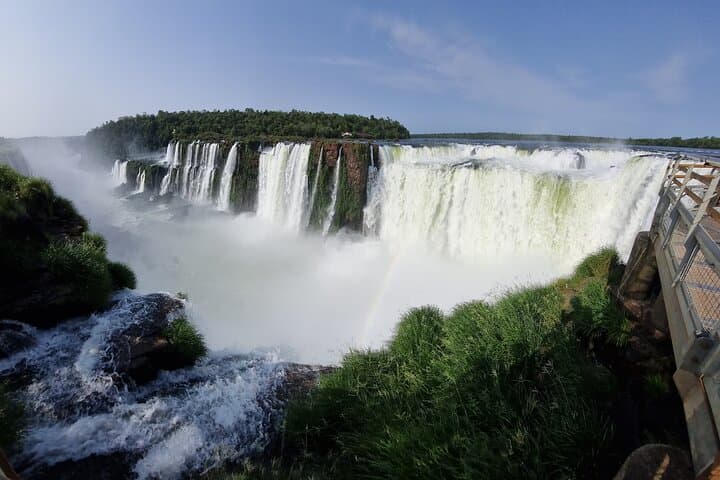
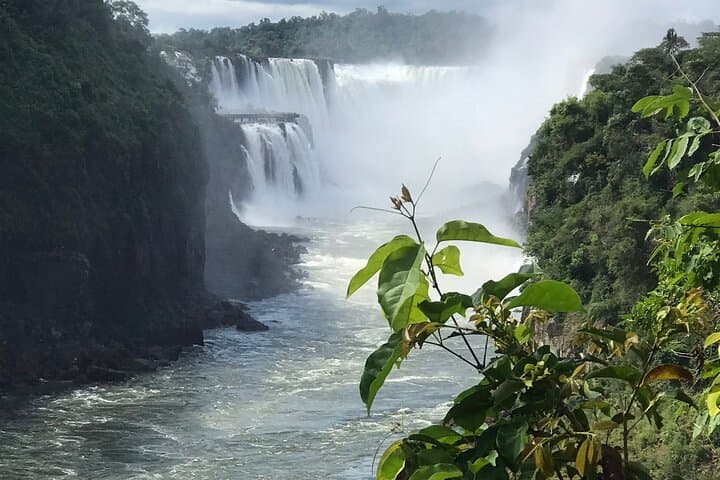
Iguazú (Iguaçu) sits on the border of Argentina and Brazil where tectonic uplift and an ancient basalt plateau force the Paraná River through a lacework of falls. The Argentine side lays out braided walkways and plunging platforms that take you to the base of waterfalls and to Isla San Martín, offering intimate, thunderous perspectives. The Brazilian side trades proximity for panorama — long promenades and a single sweeping viewpoint that shows the falls’ scale, including the mighty Garganta do Diabo (Devil’s Throat). Both parks carry Guaraní heritage; local communities have long navigated these rivers and forests.
Practical guide: allow a full day (8–10 hours) for park entry, trains, trails and border formalities; buy park tickets on arrival. Wear quick-drying shoes and bring a waterproof layer — mist is constant near the main viewpoints. Keep to marked trails, give wildlife space (coatis are bold), and plan for photo stops at panoramic overlooks on the Brazilian side and platform access on the Argentine circuits.
A private tour that covers both sides compresses logistics — cross-border timing, priority passes and hotel pickup — so you spend time listening to the falls instead of sorting buses.
moderate.
8–10 hours.
Comfortable walking ability; stairs and long boardwalks—moderate stamina required
No — travelers must purchase national park admission at the entrance; the tour includes priority border pass but not the official park ticket.
Yes, the private itinerary covers both sides but you must present passports and clear immigration at each border point.
Some boardwalks on the Brazilian side are wheelchair-friendly, but many Argentine viewpoints involve stairs and uneven paths; accessibility varies by viewpoint.
Optional boat excursions are available on the Brazilian side but typically require additional booking and weather checks; they also add wetness and may not fit every full-day itinerary.
The falls sit where basalt from ancient lava flows was dissected by the Paraná River; the parks on both sides were established in the 20th century and UNESCO-listed in 1984.
Both parks emphasize staying on trails, no feeding wildlife, and limiting boat operations during sensitive weather; support local guides and respect protected areas to minimize impact.
HND operates guided outdoor trips and adventures with an emphasis on safety, stewardship, and memorable experiences.

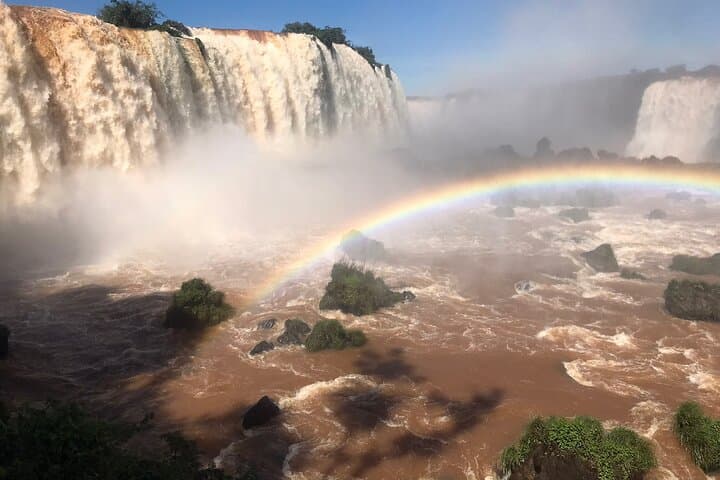
The day opens with the rumble of water before the falls come into view — a steady, insistent voice that grows until the forest seems to lean in to listen. Visitors meet at the park gates as the morning light threads through the subtropical canopy; humid air lifts fine spray from the cataracts and rainbows stitch the gorge.
The day opens with the rumble of water before the falls come into view — a steady, insistent voice that grows until the forest seems to lean in to listen. Visitors meet at the park gates as the morning light threads through the subtropical canopy; humid air lifts fine spray from the cataracts and rainbows stitch the gorge.
Iguazú (Iguaçu) sits on the border of Argentina and Brazil where tectonic uplift and an ancient basalt plateau force the Paraná River through a lacework of falls. The Argentine side lays out braided walkways and plunging platforms that take you to the base of waterfalls and to Isla San Martín, offering intimate, thunderous perspectives. The Brazilian side trades proximity for panorama — long promenades and a single sweeping viewpoint that shows the falls’ scale, including the mighty Garganta do Diabo (Devil’s Throat). Both parks carry Guaraní heritage; local communities have long navigated these rivers and forests.
Practical guide: allow a full day (8–10 hours) for park entry, trains, trails and border formalities; buy park tickets on arrival. Wear quick-drying shoes and bring a waterproof layer — mist is constant near the main viewpoints. Keep to marked trails, give wildlife space (coatis are bold), and plan for photo stops at panoramic overlooks on the Brazilian side and platform access on the Argentine circuits.
A private tour that covers both sides compresses logistics — cross-border timing, priority passes and hotel pickup — so you spend time listening to the falls instead of sorting buses.