THE ADVENTURE COLLECTIVE® · Independent discovery and booking for outdoor travel

A private day hike from Cusco brings you to Humantay Lake, a glacial basin at 4,200 m with striking turquoise water. Expect a steep, high-altitude climb, cultural insights in Mollepata, and panoramic views of the Salkantay massif.
A private day hike from Cusco brings you to Humantay Lake, a glacial basin at 4,200 m with striking turquoise water. Expect a steep, high-altitude climb, cultural insights in Mollepata, and panoramic views of the Salkantay massif.
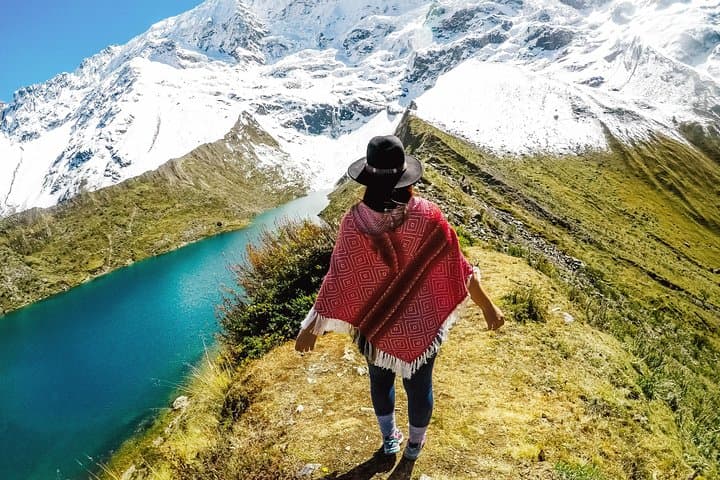
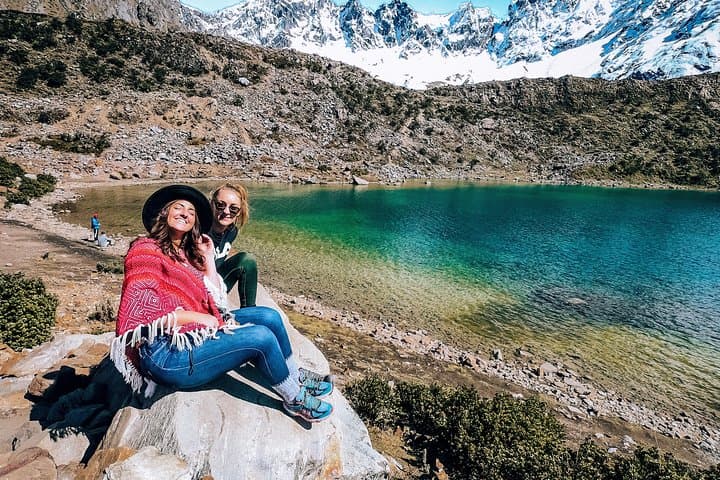
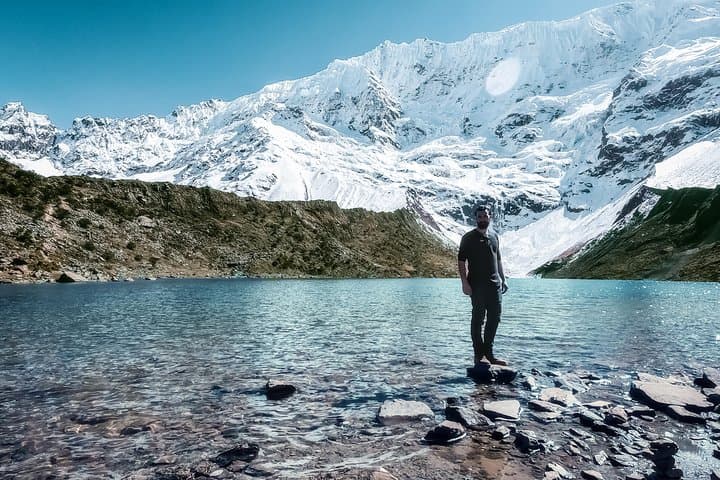
A thin mountain light slices across the pass as the minivan climbs out of Cusco before dawn. By the time you step onto the stony trail at Soraypampa the air already tastes like altitude—clean and spare—while the peak of Humantay overlooks a bowl of impossibly blue water that seems to have been poured into the high Andes.
Verified experiences and guided adventures in the surrounding area.
Operated by Ultimate Trekking · Cusco, Cusco Region
A thin mountain light slices across the pass as the minivan climbs out of Cusco before dawn. By the time you step onto the stony trail at Soraypampa the air already tastes like altitude—clean and spare—while the peak of Humantay overlooks a bowl of impossibly blue water that seems to have been poured into the high Andes.
Humantay is a glacially fed lake at about 4,200 meters, fed from the Salkantay massif and carved by ice and time. The Quechua people regard the high peaks here as apus—mountain spirits—and local villages like Mollepata and Soraypampa still practice pastoral agriculture and seasonal markets. Geologically the basin records recent glacial retreat; the contrast between bare moraine and the saturated turquoise of the lake tells that story plainly.
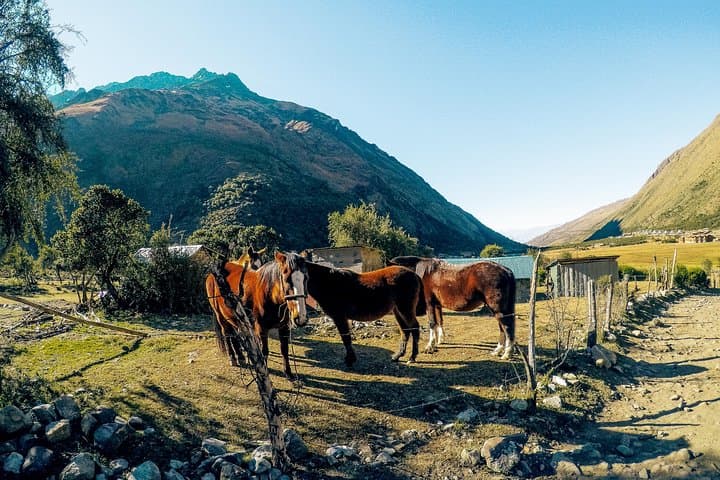
On the trail expect a steady uphill on compact dirt and rocky switchbacks: plan for two hours of ascent at a slow, altitude-aware pace. Guides on private tours provide walking sticks, blankets on the bus, and basic first aid with oxygen if needed. Photographic opportunities are constant—snow dusted ridgelines, grazing horses, and the lake rim where wind can push sudden whitecaps across the surface.
Practical notes: start early to avoid crowds and afternoon storms, acclimatize in Cusco a couple of days, wear layered clothing for big temperature swings, and carry enough water for a high-elevation climb. The full-day itinerary returns you to Cusco by evening, leaving time to recover and reflect on a lake that is as much a landscape lesson as it is a place of quiet power.
moderate.
12–14 hours.
Moderate fitness; able to manage continuous uphill hiking at high altitude and short steep sections
The uphill walk from Soraypampa to the lake takes roughly 1.5–2 hours depending on pace and acclimatization; return time is similar.
Children must be accompanied by an adult; this tour is not recommended for pregnant travelers or people with serious heart or spinal conditions due to altitude and trail conditions.
Guides and the lake entrance ticket are typically included in organized tours; private guided departures often provide transport, meals, and permits.
Acclimatize in Cusco for at least 48 hours, avoid alcohol, hydrate well, eat light meals, and ascend slowly; guides often carry oxygen for emergencies.
The lake sits below Salkantay, a sacred peak in Andean cosmology; nearby villages have long-standing pastoral traditions tied to seasonal grazing routes.
This is a sensitive high-Andean ecosystem—stay on trails, carry out waste, and respect local shepherding areas to limit impact.
Ultimate Trekking operates guided outdoor trips and adventures with an emphasis on safety, stewardship, and memorable experiences.
A thin mountain light slices across the pass as the minivan climbs out of Cusco before dawn. By the time you step onto the stony trail at Soraypampa the air already tastes like altitude—clean and spare—while the peak of Humantay overlooks a bowl of impossibly blue water that seems to have been poured into the high Andes.
A thin mountain light slices across the pass as the minivan climbs out of Cusco before dawn. By the time you step onto the stony trail at Soraypampa the air already tastes like altitude—clean and spare—while the peak of Humantay overlooks a bowl of impossibly blue water that seems to have been poured into the high Andes.
Humantay is a glacially fed lake at about 4,200 meters, fed from the Salkantay massif and carved by ice and time. The Quechua people regard the high peaks here as apus—mountain spirits—and local villages like Mollepata and Soraypampa still practice pastoral agriculture and seasonal markets. Geologically the basin records recent glacial retreat; the contrast between bare moraine and the saturated turquoise of the lake tells that story plainly.
On the trail expect a steady uphill on compact dirt and rocky switchbacks: plan for two hours of ascent at a slow, altitude-aware pace. Guides on private tours provide walking sticks, blankets on the bus, and basic first aid with oxygen if needed. Photographic opportunities are constant—snow dusted ridgelines, grazing horses, and the lake rim where wind can push sudden whitecaps across the surface.
Practical notes: start early to avoid crowds and afternoon storms, acclimatize in Cusco a couple of days, wear layered clothing for big temperature swings, and carry enough water for a high-elevation climb. The full-day itinerary returns you to Cusco by evening, leaving time to recover and reflect on a lake that is as much a landscape lesson as it is a place of quiet power.