THE ADVENTURE COLLECTIVE® · Independent discovery and booking for outdoor travel

Spend a full day exploring Hue’s imperial landmarks, craft villages and the Perfume River on a private shore excursion. This guided tour combines UNESCO-listed sites, royal tombs, a pagoda boat ride and hands-on craft visits — all from Chan May or Tien Sa port.
Spend a full day exploring Hue’s imperial landmarks, craft villages and the Perfume River on a private shore excursion. This guided tour combines UNESCO-listed sites, royal tombs, a pagoda boat ride and hands-on craft visits — all from Chan May or Tien Sa port.
Arrive in Hue and the air carries a soft scent from the river — the Perfume River moves like a slow conversation, nudging dragon boats past seven-storey pagodas and low, tiled roofs. Your English-speaking guide meets you at the port, and within minutes you’re in an air-conditioned vehicle heading toward the Citadel’s broad stone walls.
Verified experiences and guided adventures in the surrounding area.
Operated by MAIKA TOURS · Hue, Thua Thien-Hue
Arrive in Hue and the air carries a soft scent from the river — the Perfume River moves like a slow conversation, nudging dragon boats past seven-storey pagodas and low, tiled roofs. Your English-speaking guide meets you at the port, and within minutes you’re in an air-conditioned vehicle heading toward the Citadel’s broad stone walls.
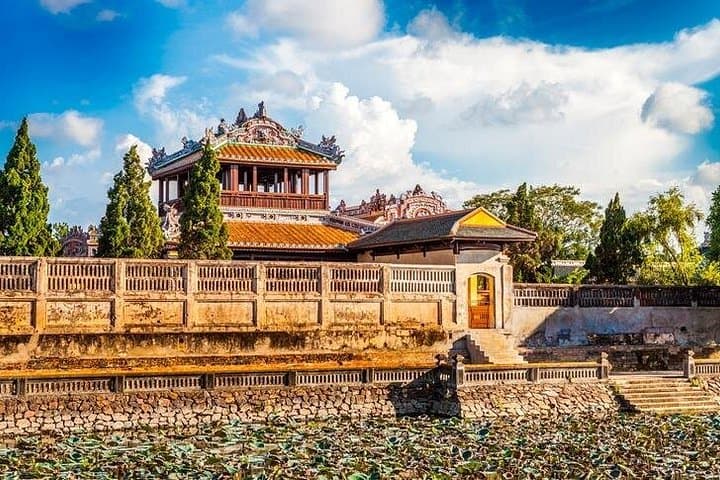
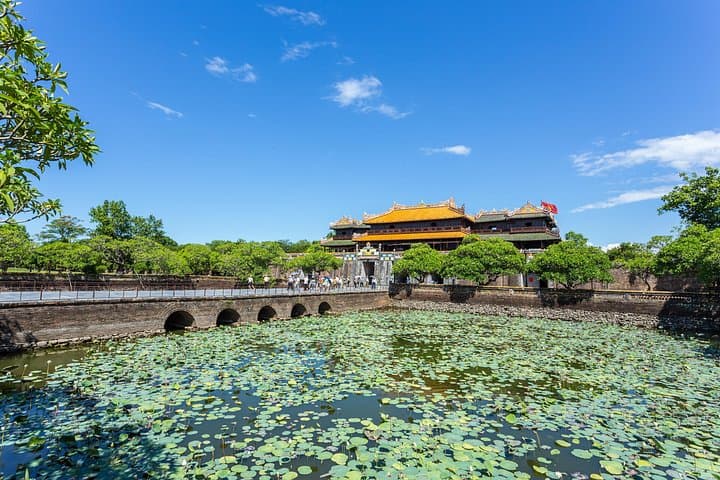
The Citadel: once the seat of the Nguyen Dynasty and Vietnam’s capital until 1945 — is a compact lesson in imperial planning and wartime scars. Nearby tombs such as Tu Duc’s combine landscaped courtyards, pavilions and reflective pools; they read like chapters of royal life and ritual. Thuy Xuan craft village offers a quieter contrast: incense sticks and conical hat makers bending over simple benches, hands teaching an ancient rhythm. Bunker Hill overlooks the Perfume River and preserves wartime bunkers that hint at the area’s 20th-century conflicts. Thien Mu Pagoda, the city’s visual emblem, perches above the water; board a traditional dragon boat there for a gentle downstream return to port.
Geologically the region sits on flat alluvial plains drained by the Huong (Perfume) River — fertile soil that shaped Hue’s agriculture and settlement patterns. Culturally this day blends royal architecture, village craft practices, and Buddhist sites.
Practical guidance: this is a full-day (8–9 hr) shore excursion with multiple short walks, uneven stone steps, and boat boarding. Wear comfortable shoes, bring sun protection, and carry a light jacket for river breezes. Plan for midday heat; the guide provides water and a vegetarian lunch at a nunnery. Allow time and patience for narrow lanes and photo stops — Hue rewards deliberate travel.
easy.
8–9 hours.
Suitable for most fitness levels; expect several short walks, stairs, and a boat boarding—bring basic mobility aid if needed.
The tour runs approximately 8–9 hours (480–540 minutes) with returns scheduled to allow ample time for port drop-off.
Yes — admissions to the Citadel and tombs are included, along with a vegetarian lunch at a Buddhist nunnery and bottled water.
The tour notes wheelchair and stroller accessibility for transportation, but historic sites have stairs and uneven surfaces; contact the operator to confirm site access and assistance.
Bring some Vietnamese dong for small purchases in craft villages and tips; larger transactions at the port often accept cards but villages may not.
Hue was Vietnam’s imperial capital under the Nguyen Dynasty until 1945; the Citadel and royal tombs reflect courtly architecture and Confucian ritual planning.
Conservation efforts focus on preserving fragile imperial structures and managing visitor impact; visitors are asked to stay on designated paths and avoid touching delicate carvings.
MAIKA TOURS operates guided outdoor trips and adventures with an emphasis on safety, stewardship, and memorable experiences.
Arrive in Hue and the air carries a soft scent from the river — the Perfume River moves like a slow conversation, nudging dragon boats past seven-storey pagodas and low, tiled roofs. Your English-speaking guide meets you at the port, and within minutes you’re in an air-conditioned vehicle heading toward the Citadel’s broad stone walls.
Arrive in Hue and the air carries a soft scent from the river — the Perfume River moves like a slow conversation, nudging dragon boats past seven-storey pagodas and low, tiled roofs. Your English-speaking guide meets you at the port, and within minutes you’re in an air-conditioned vehicle heading toward the Citadel’s broad stone walls.
The Citadel: once the seat of the Nguyen Dynasty and Vietnam’s capital until 1945 — is a compact lesson in imperial planning and wartime scars. Nearby tombs such as Tu Duc’s combine landscaped courtyards, pavilions and reflective pools; they read like chapters of royal life and ritual. Thuy Xuan craft village offers a quieter contrast: incense sticks and conical hat makers bending over simple benches, hands teaching an ancient rhythm. Bunker Hill overlooks the Perfume River and preserves wartime bunkers that hint at the area’s 20th-century conflicts. Thien Mu Pagoda, the city’s visual emblem, perches above the water; board a traditional dragon boat there for a gentle downstream return to port.
Geologically the region sits on flat alluvial plains drained by the Huong (Perfume) River — fertile soil that shaped Hue’s agriculture and settlement patterns. Culturally this day blends royal architecture, village craft practices, and Buddhist sites.
Practical guidance: this is a full-day (8–9 hr) shore excursion with multiple short walks, uneven stone steps, and boat boarding. Wear comfortable shoes, bring sun protection, and carry a light jacket for river breezes. Plan for midday heat; the guide provides water and a vegetarian lunch at a nunnery. Allow time and patience for narrow lanes and photo stops — Hue rewards deliberate travel.