THE ADVENTURE COLLECTIVE® · Independent discovery and booking for outdoor travel

Spend an hour feeding, brushing and optionally riding friendly horses at a sanctuary beneath Mount Fuji. This private, English-friendly session blends cultural history, animal welfare, and easy access to iconic views.
Spend an hour feeding, brushing and optionally riding friendly horses at a sanctuary beneath Mount Fuji. This private, English-friendly session blends cultural history, animal welfare, and easy access to iconic views.
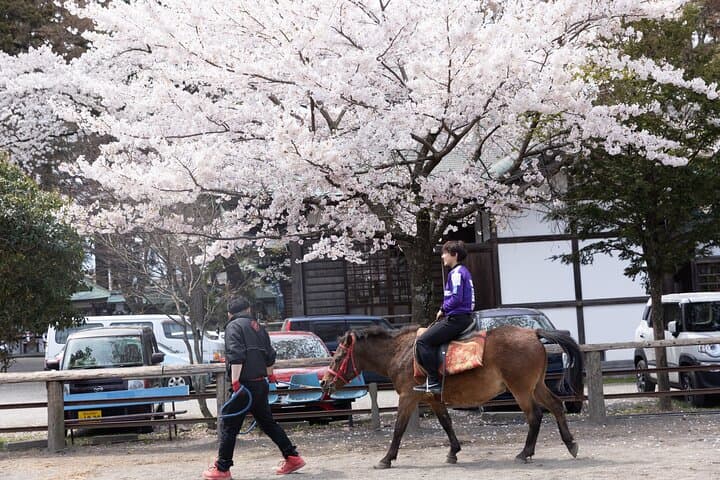
A low, patient nicker greets visitors as Mount Fuji’s white cone fills the horizon. At the sanctuary by Omuro Sengen Shrine, horses stand in a spring-green paddock while staff arrange brushes and special treats. The air carries the crisp mineral tang of volcanic soil and the soft thud of hooves—an immediate, tactile way to meet the mountain’s living neighbors.
Verified experiences and guided adventures in the surrounding area.
Operated by BARIKIYA · Fujiyoshida, Yamanashi
A low, patient nicker greets visitors as Mount Fuji’s white cone fills the horizon. At the sanctuary by Omuro Sengen Shrine, horses stand in a spring-green paddock while staff arrange brushes and special treats. The air carries the crisp mineral tang of volcanic soil and the soft thud of hooves—an immediate, tactile way to meet the mountain’s living neighbors.
The site ties into regional traditions: Sengen shrines honor the deity of Fuji and local equestrian culture stretches back centuries. The sanctuary also maintains a modern purpose—providing retired horses with care and gentle work, and helping preserve practices related to yabusame (horseback archery) that shaped samurai-era horsemanship. Geologically, the setting is defined by Mount Fuji’s volcanic seams and volcanic ash soils that feed rapid spring growth; culturally, the nearby shrine has long framed pilgrimages and seasonal festivals.
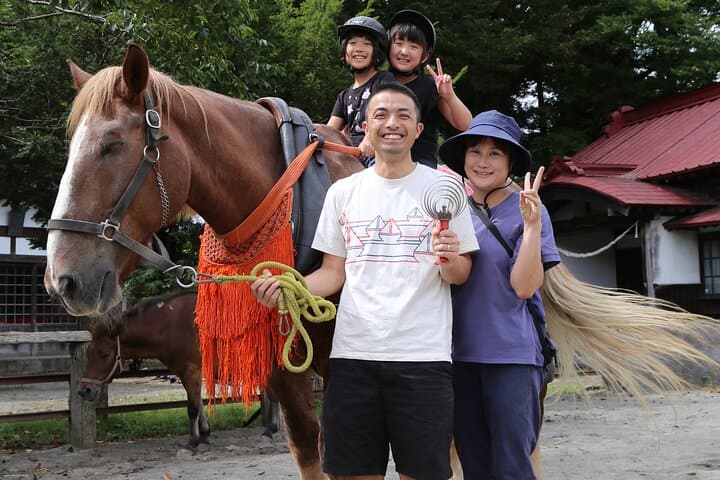
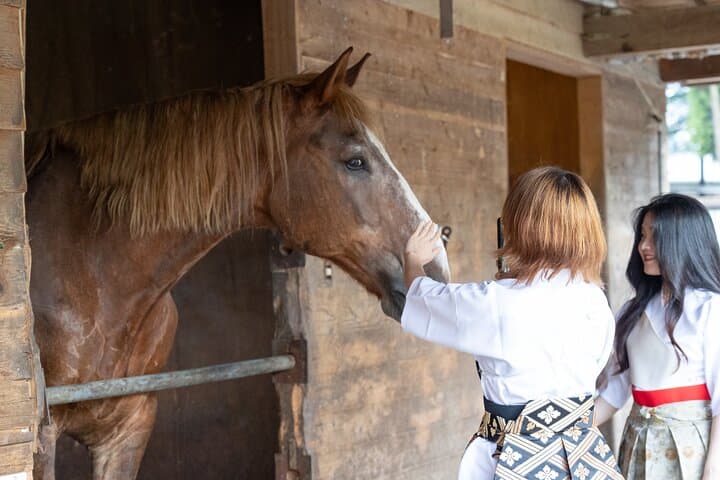
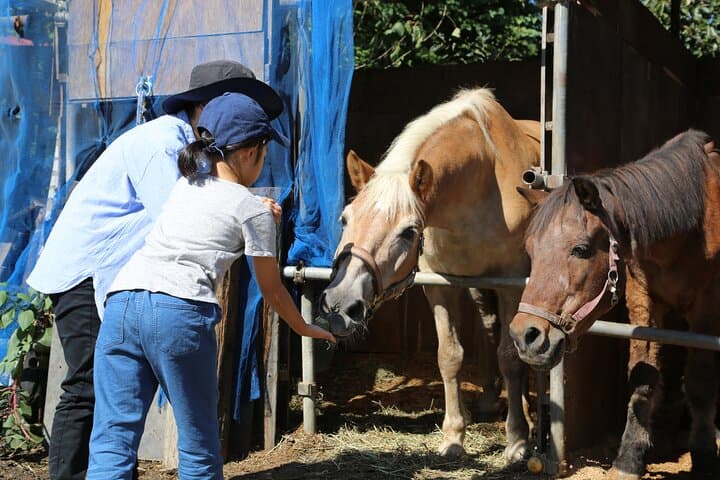
Expect a one-hour, hands-on session: feeding, brushing, and supervised interaction, with an optional guided ride for beginners under English-speaking instruction. The experience mixes calm animal handling with clear safety briefings; staff emphasize welfare and gentle contact. Practical notes: wear closed-toe shoes and layers for variable weather, arrive 10–15 minutes early for orientation, and limit loose items around horses. The operation is family-friendly and wheelchair-accessible, but follow all handler directions when approaching or feeding animals.
Plan to book ahead for peak spring views, bring a small water bottle, and leave cameras on secure straps. This is a low-impact, memorable way to connect with horses and Mount Fuji’s landscape without long hikes—ideal for travelers seeking hands-on animal time close to Japan’s most famous peak.
easy.
60 minutes.
Suitable for all fitness levels; standing and light walking required
No—handlers provide basic instruction and guided rides are suitable for beginners under staff supervision.
Yes; the program is family-friendly and suitable for children, though adult supervision and handler guidance are required.
Yes—facilities note wheelchair accessibility; check specific transfer needs with the operator when booking.
Full refunds are available if you cancel at least 24 hours before the scheduled time; same-day cancellations are non-refundable.
The area pairs Shinto reverence for Mount Fuji with equestrian traditions including yabusame; local shrines have long framed pilgrimages to the mountain.
The sanctuary focuses on horse welfare and repurposing retired animals for gentle tourism; guests are asked to follow handler rules to minimize stress and environmental impact.
BARIKIYA operates guided outdoor trips and adventures with an emphasis on safety, stewardship, and memorable experiences.
A low, patient nicker greets visitors as Mount Fuji’s white cone fills the horizon. At the sanctuary by Omuro Sengen Shrine, horses stand in a spring-green paddock while staff arrange brushes and special treats. The air carries the crisp mineral tang of volcanic soil and the soft thud of hooves—an immediate, tactile way to meet the mountain’s living neighbors.
A low, patient nicker greets visitors as Mount Fuji’s white cone fills the horizon. At the sanctuary by Omuro Sengen Shrine, horses stand in a spring-green paddock while staff arrange brushes and special treats. The air carries the crisp mineral tang of volcanic soil and the soft thud of hooves—an immediate, tactile way to meet the mountain’s living neighbors.
The site ties into regional traditions: Sengen shrines honor the deity of Fuji and local equestrian culture stretches back centuries. The sanctuary also maintains a modern purpose—providing retired horses with care and gentle work, and helping preserve practices related to yabusame (horseback archery) that shaped samurai-era horsemanship. Geologically, the setting is defined by Mount Fuji’s volcanic seams and volcanic ash soils that feed rapid spring growth; culturally, the nearby shrine has long framed pilgrimages and seasonal festivals.
Expect a one-hour, hands-on session: feeding, brushing, and supervised interaction, with an optional guided ride for beginners under English-speaking instruction. The experience mixes calm animal handling with clear safety briefings; staff emphasize welfare and gentle contact. Practical notes: wear closed-toe shoes and layers for variable weather, arrive 10–15 minutes early for orientation, and limit loose items around horses. The operation is family-friendly and wheelchair-accessible, but follow all handler directions when approaching or feeding animals.
Plan to book ahead for peak spring views, bring a small water bottle, and leave cameras on secure straps. This is a low-impact, memorable way to connect with horses and Mount Fuji’s landscape without long hikes—ideal for travelers seeking hands-on animal time close to Japan’s most famous peak.