THE ADVENTURE COLLECTIVE® · Independent discovery and booking for outdoor travel

Stand on the bridge that frames Hoover Dam and peer 900 feet down to the Colorado River. This private tour from Las Vegas pairs dramatic viewpoints with Boulder City's historic district and museum stops.
Stand on the bridge that frames Hoover Dam and peer 900 feet down to the Colorado River. This private tour from Las Vegas pairs dramatic viewpoints with Boulder City's historic district and museum stops.
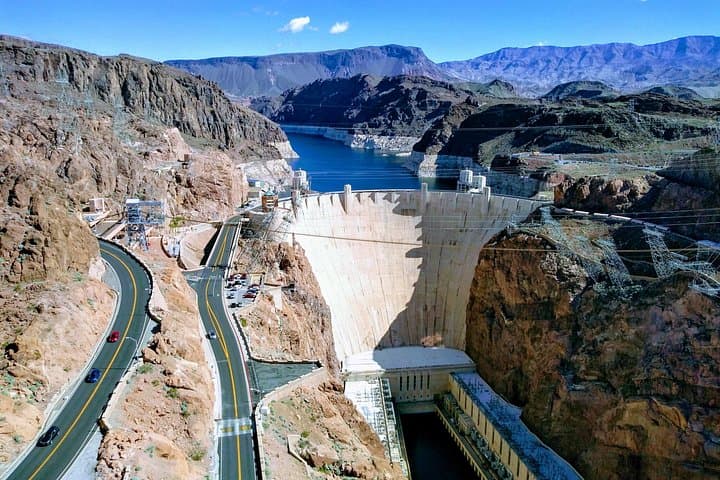
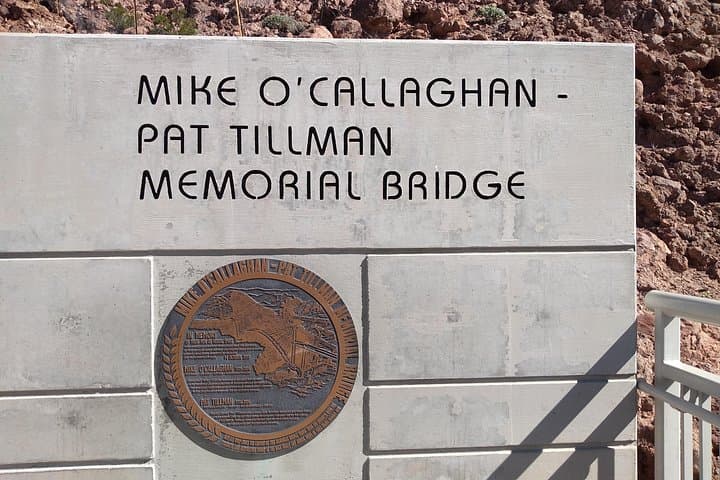
You step off the bus and the desert air hits like a dry hand guiding you forward. From the Mike O'Callaghan/Pat Tillman Memorial Bridge the Hoover Dam drops away beneath you — concrete arc and steel railing, Colorado River threading through the canyon 900 feet below. Cameras click; the river seems to dare you to measure its patience.
Verified experiences and guided adventures in the surrounding area.
Operated by National Park Express · Boulder City, Nevada
You step off the bus and the desert air hits like a dry hand guiding you forward. From the Mike O'Callaghan/Pat Tillman Memorial Bridge the Hoover Dam drops away beneath you — concrete arc and steel railing, Colorado River threading through the canyon 900 feet below. Cameras click; the river seems to dare you to measure its patience.
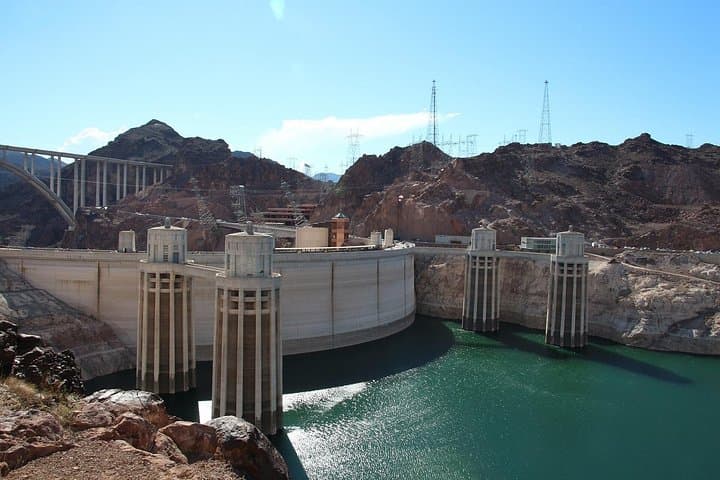
The dam itself is a product of 1930s engineering and federal will. Built between 1931–1936, Hoover Dam reshaped the Southwest: it tamed the Colorado, created Lake Mead, and fueled the growth of cities downriver. Geology here is raw — black basalt and Precambrian granites carved by ancient flows and modern floods — and the bridge gives a clean, modern vantage on that deep scar.
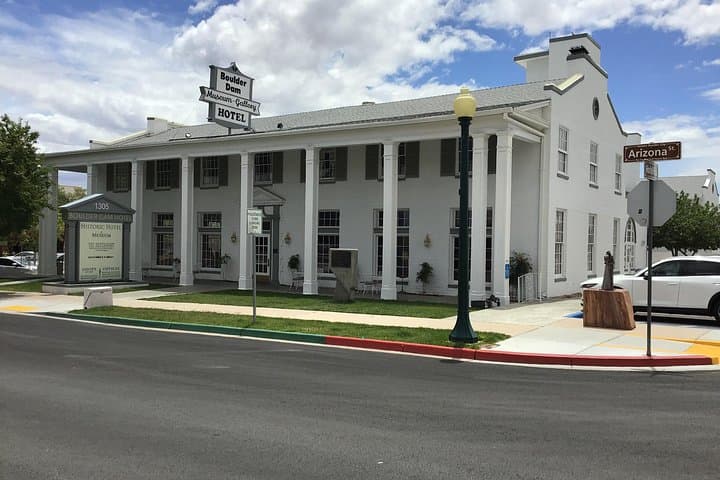
Boulder City's historic district tells another side: the town designed to house dam workers, now a compact block of cafes, antique shops and striking bronze sculptures. The Hoover Dam Museum adds local perspective on the labor, politics, and technology that made the project possible.
Practicalities: tours typically last about five hours with short walks and photo stops; expect security checkpoints and strict bans on large luggage and weapons. Summer sun is harsh — bring sun protection and hydrate. Shoes with solid soles are useful on pedestrian walkways and when exploring Boulder City. If you opt for the generator/plant tour, book early and bring ID; access is limited and subject to federal security rules.
This excursion is less about strenuous effort and more about context: engineering up close, desert geology, and the human story that diverted a river and reshaped a region.
easy.
4–5 hours.
Suitable for most fitness levels; involves short walks, stairs and standing at viewpoints.
The basic private tour includes viewpoints, the bridge walk and Boulder City stops; an optional generator/plant tour may be available but is subject to federal access and may require additional booking and ID.
The tour runs about five hours total with several short walks (up to 30 minutes at stops) and some stairs on the pedestrian walkway and museum areas.
The tour notes stroller accessibility and limited mobility travelers can participate, but some areas have stairs and security checkpoints—notify the operator in advance to arrange pickup point and assistance.
Service animals are allowed; comfort animals and pets are not permitted on top of the dam or in buildings. Drones and weapons are strictly prohibited in the area.
Constructed between 1931 and 1936 as a major federal project, Hoover Dam controlled flooding, enabled irrigation and powered growth across the Southwest.
Lake Mead water levels and downstream water allocations make the dam a focal point for regional water stewardship; visitors should respect posted rules and minimize their footprint.
National Park Express operates guided outdoor trips and adventures with an emphasis on safety, stewardship, and memorable experiences.
You step off the bus and the desert air hits like a dry hand guiding you forward. From the Mike O'Callaghan/Pat Tillman Memorial Bridge the Hoover Dam drops away beneath you — concrete arc and steel railing, Colorado River threading through the canyon 900 feet below. Cameras click; the river seems to dare you to measure its patience.
You step off the bus and the desert air hits like a dry hand guiding you forward. From the Mike O'Callaghan/Pat Tillman Memorial Bridge the Hoover Dam drops away beneath you — concrete arc and steel railing, Colorado River threading through the canyon 900 feet below. Cameras click; the river seems to dare you to measure its patience.
The dam itself is a product of 1930s engineering and federal will. Built between 1931–1936, Hoover Dam reshaped the Southwest: it tamed the Colorado, created Lake Mead, and fueled the growth of cities downriver. Geology here is raw — black basalt and Precambrian granites carved by ancient flows and modern floods — and the bridge gives a clean, modern vantage on that deep scar.
Boulder City's historic district tells another side: the town designed to house dam workers, now a compact block of cafes, antique shops and striking bronze sculptures. The Hoover Dam Museum adds local perspective on the labor, politics, and technology that made the project possible.
Practicalities: tours typically last about five hours with short walks and photo stops; expect security checkpoints and strict bans on large luggage and weapons. Summer sun is harsh — bring sun protection and hydrate. Shoes with solid soles are useful on pedestrian walkways and when exploring Boulder City. If you opt for the generator/plant tour, book early and bring ID; access is limited and subject to federal security rules.
This excursion is less about strenuous effort and more about context: engineering up close, desert geology, and the human story that diverted a river and reshaped a region.