THE ADVENTURE COLLECTIVE® · Independent discovery and booking for outdoor travel

Choose a private, guided 2–4 hour hike in Honolulu: a wet, jungle walk to Manoa Falls or a quieter ridge stroll along the Kalawahine Trail with volcanic views and fewer crowds. Perfect for travelers who want a compact, interpretive introduction to Oʻahu’s forest and geology.
Choose a private, guided 2–4 hour hike in Honolulu: a wet, jungle walk to Manoa Falls or a quieter ridge stroll along the Kalawahine Trail with volcanic views and fewer crowds. Perfect for travelers who want a compact, interpretive introduction to Oʻahu’s forest and geology.
Early-morning light filters through towering ʻōhiʻa and kukui as a guide leads a small group beneath dripping fern fronds—one path heading down into a rain-harvested valley, the other climbing out to a quiet ridge with ocean glimpses. The tour offers a choice: the popular Manoa Falls Trail, a roughly 1 mile each way walk through a famously wet valley to a waterfall, or the quieter Kalawahine Trail, a mostly flat dirt path beginning near 1,000–1,500 ft with views toward Pearl Harbor and volcanic cinder layers.
Verified experiences and guided adventures in the surrounding area.
Operated by Custom Island Tours · Honolulu, Hawaii
Early-morning light filters through towering ʻōhiʻa and kukui as a guide leads a small group beneath dripping fern fronds—one path heading down into a rain-harvested valley, the other climbing out to a quiet ridge with ocean glimpses. The tour offers a choice: the popular Manoa Falls Trail, a roughly 1 mile each way walk through a famously wet valley to a waterfall, or the quieter Kalawahine Trail, a mostly flat dirt path beginning near 1,000–1,500 ft with views toward Pearl Harbor and volcanic cinder layers.
Both routes cut through Honolulu’s tropical ecosystem: Manoa’s heavy rainfall feeds a verdant understory where endemic plants and introduced guava mix, while Kalawahine reveals volcanic geology—cinders and ash layers from the crater above—and seasonal fruit like pink and strawberry guava. Guides discuss Hawaiian cultural connections to water and mountains, point out native and introduced birdlife, and explain how trail access is managed under a Department of Land and Natural Resources permit (tours operate Monday–Friday by permit).
Expect muddy sections on Manoa despite recent gravel work, and a generally drier, quieter Kalawahine with occasional panoramic breaks. Walks are easy but require basic fitness; carry water, rain gear, and sturdy shoes. Morning weekday departures minimize crowds and maximize bird activity. The waterfall’s flow varies by season, so treat the valley as a jungle walk as much as a waterfall destination. This private guided choice gives a compact, informative introduction to Oʻahu’s forested interiors and volcanic shoulders, balanced with practical guidance on weather, timing, and trail etiquette.
easy.
2–4 hours.
Moderate—suitable for most people who can walk 2–4 miles on uneven ground
Kalawahine is the quieter option—starts near higher elevation and sees far fewer visitors than Manoa Falls.
Manoa Falls is about 1 mile each way (2 miles roundtrip) with some muddy footing; Kalawahine is roughly 1.5 miles each way but mostly flat and easy when accessed by vehicle.
The operator holds DLNR permits for specific trails and schedules tours Monday–Friday; guests should confirm trail choice at booking so the guide can secure the correct permit.
No—the waterfall’s flow varies by recent rainfall; even when flow is low the jungle walk and botanical interest remain worthwhile.
These valleys and ridges have long cultural ties to Hawaiian communities; trails pass through land shaped by ancient farming and water gathering, with place names reflecting local stories.
Stay on the designated path to prevent erosion and trampling of native understory; invasive species like strawberry guava alter habitat, so follow ‘leave no trace’ principles.
Custom Island Tours operates guided outdoor trips and adventures with an emphasis on safety, stewardship, and memorable experiences.
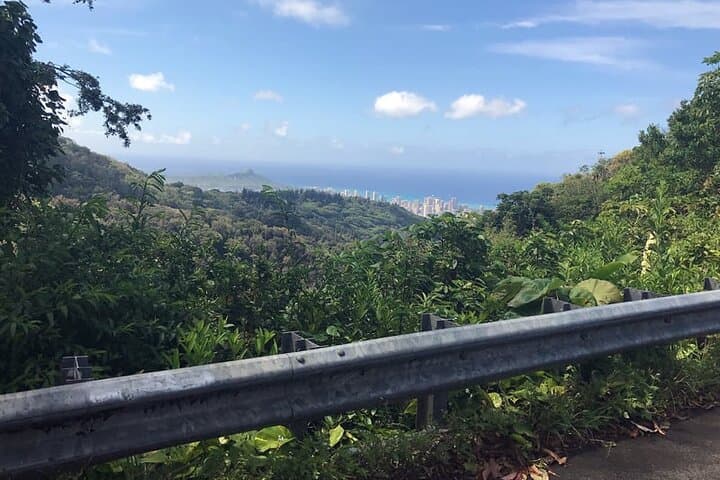
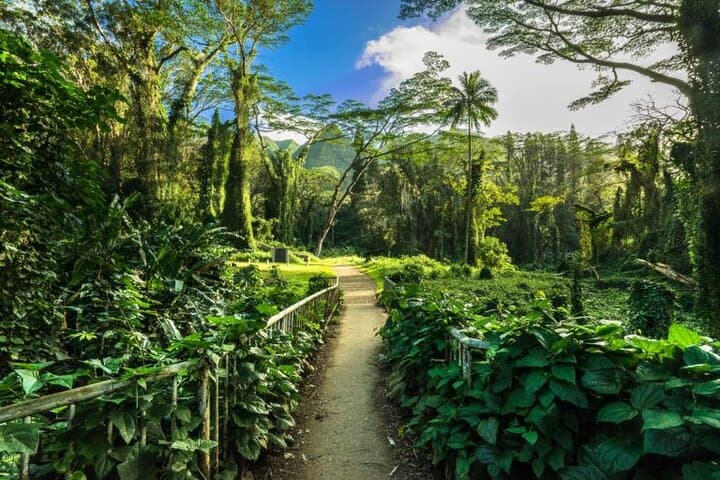
Early-morning light filters through towering ʻōhiʻa and kukui as a guide leads a small group beneath dripping fern fronds—one path heading down into a rain-harvested valley, the other climbing out to a quiet ridge with ocean glimpses. The tour offers a choice: the popular Manoa Falls Trail, a roughly 1 mile each way walk through a famously wet valley to a waterfall, or the quieter Kalawahine Trail, a mostly flat dirt path beginning near 1,000–1,500 ft with views toward Pearl Harbor and volcanic cinder layers.
Early-morning light filters through towering ʻōhiʻa and kukui as a guide leads a small group beneath dripping fern fronds—one path heading down into a rain-harvested valley, the other climbing out to a quiet ridge with ocean glimpses. The tour offers a choice: the popular Manoa Falls Trail, a roughly 1 mile each way walk through a famously wet valley to a waterfall, or the quieter Kalawahine Trail, a mostly flat dirt path beginning near 1,000–1,500 ft with views toward Pearl Harbor and volcanic cinder layers.
Both routes cut through Honolulu’s tropical ecosystem: Manoa’s heavy rainfall feeds a verdant understory where endemic plants and introduced guava mix, while Kalawahine reveals volcanic geology—cinders and ash layers from the crater above—and seasonal fruit like pink and strawberry guava. Guides discuss Hawaiian cultural connections to water and mountains, point out native and introduced birdlife, and explain how trail access is managed under a Department of Land and Natural Resources permit (tours operate Monday–Friday by permit).
Expect muddy sections on Manoa despite recent gravel work, and a generally drier, quieter Kalawahine with occasional panoramic breaks. Walks are easy but require basic fitness; carry water, rain gear, and sturdy shoes. Morning weekday departures minimize crowds and maximize bird activity. The waterfall’s flow varies by season, so treat the valley as a jungle walk as much as a waterfall destination. This private guided choice gives a compact, informative introduction to Oʻahu’s forested interiors and volcanic shoulders, balanced with practical guidance on weather, timing, and trail etiquette.