THE ADVENTURE COLLECTIVE® · Independent discovery and booking for outdoor travel

Cook and eat in a Seoul home with a professional Korean–Bolivian chef—learn bibimbap, kimchi, and the stories behind the ingredients. Add an optional Mangwon Market tour to shop seasonal produce and taste street snacks before you cook.
Cook and eat in a Seoul home with a professional Korean–Bolivian chef—learn bibimbap, kimchi, and the stories behind the ingredients. Add an optional Mangwon Market tour to shop seasonal produce and taste street snacks before you cook.
You step off a narrow street in Mangwon-dong and into a small apartment kitchen where the city’s pulse softens to the clink of bowls and the smell of garlic and gochujang. The host, a professional Korean–Bolivian chef, invites you to wash your hands, slip into provided indoor sandals, and begin a hands-on lesson that feels like being welcomed into a real Seoul home.
Verified experiences and guided adventures in the surrounding area.
Operated by Traveling Spoon · Seoul, Seoul
You step off a narrow street in Mangwon-dong and into a small apartment kitchen where the city’s pulse softens to the clink of bowls and the smell of garlic and gochujang. The host, a professional Korean–Bolivian chef, invites you to wash your hands, slip into provided indoor sandals, and begin a hands-on lesson that feels like being welcomed into a real Seoul home.
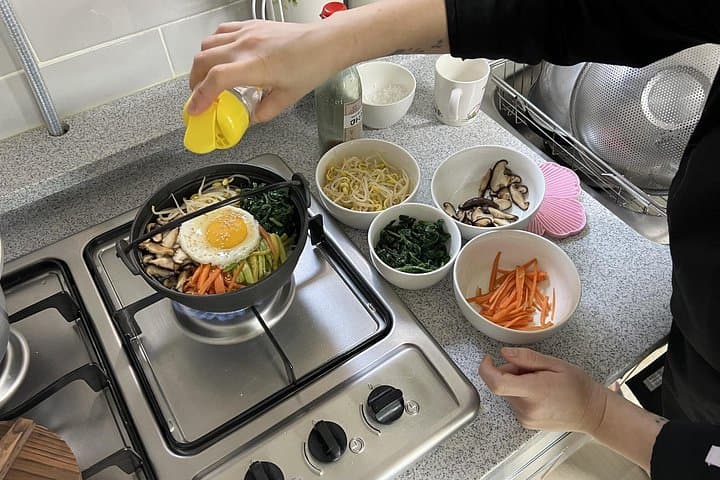
Korean food balances centuries-old preservation techniques and rapid urban change. Kimchi is a living example — salted, spiced, and fermented to stretch winter’s harvest — while bibimbap and bulgogi show regional ingredients adapted through Joseon-era table manners and modern tastes. If you add the Mangwon Market tour, you walk 10–12 minutes through a neighborhood market known for seasonal produce, spicy street snacks, and small vendors who specialize in one excellent thing.
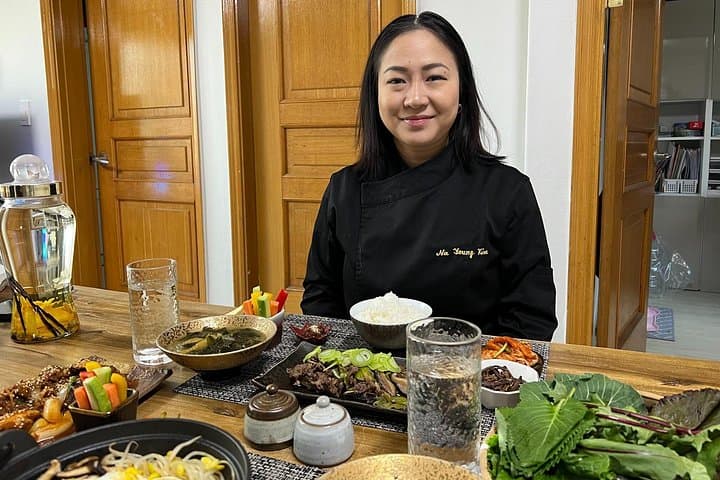
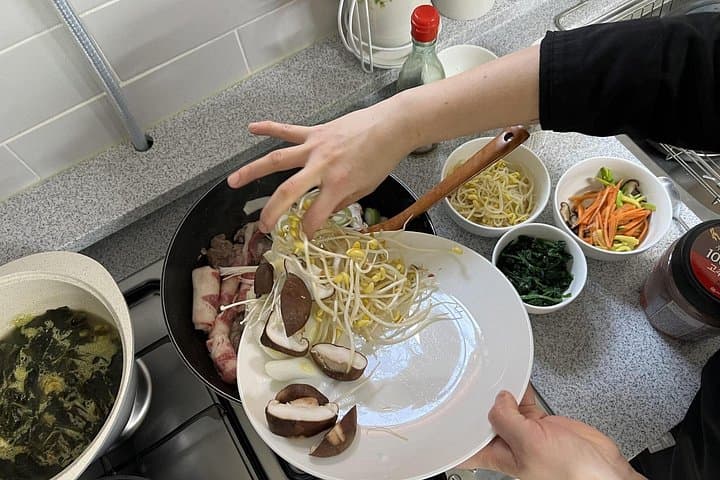
The experience is practical and social: an hour of guided cooking, learning ingredient names, knife technique, and plating, followed by a shared meal with soup, kimchi and a glass of soju. Expect clear instruction, an emphasis on seasonal produce, and the chance to ask about Korean etiquette, ingredient sourcing, and home remedies tied to food.
Practical notes: allow three hours total if you choose the market option, tell the host about allergies in advance, and wear comfortable shoes for standing and short walks. Bring cash for market purchases and an appetite for both learning and tasting.
easy.
3 hours.
Light physical activity—standing, short walk to the market, basic chopping; suitable for most able-bodied travelers.
Yes—chef can prepare gluten-free, vegetarian, and vegan options; state any allergies or dietary restrictions when booking so the menu can be adjusted.
The Mangwon Market tour is an optional add-on; if selected, expect about a 30-minute guided walk to source a few ingredients and sample local snacks.
No—this is a beginner-friendly, hands-on class with step-by-step instruction suited to cooks of all levels.
The meeting location is in Mangwon-dong near public transit; the host provides directions and phone/WhatsApp contact in case you’re running late.
Korean home cooking reflects centuries of preservation methods—fermentation and pickling developed to store vegetables through cold winters and shaped staples like kimchi and jang (fermented sauces).
Using seasonal produce from local markets reduces food miles; bring reusable bags and avoid single-use plastics to support vendors and lower waste.
Traveling Spoon operates guided outdoor trips and adventures with an emphasis on safety, stewardship, and memorable experiences.
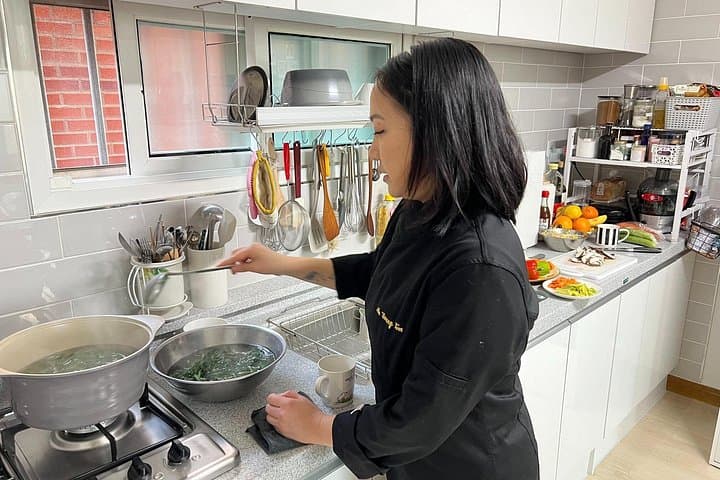
You step off a narrow street in Mangwon-dong and into a small apartment kitchen where the city’s pulse softens to the clink of bowls and the smell of garlic and gochujang. The host, a professional Korean–Bolivian chef, invites you to wash your hands, slip into provided indoor sandals, and begin a hands-on lesson that feels like being welcomed into a real Seoul home.
You step off a narrow street in Mangwon-dong and into a small apartment kitchen where the city’s pulse softens to the clink of bowls and the smell of garlic and gochujang. The host, a professional Korean–Bolivian chef, invites you to wash your hands, slip into provided indoor sandals, and begin a hands-on lesson that feels like being welcomed into a real Seoul home.
Korean food balances centuries-old preservation techniques and rapid urban change. Kimchi is a living example — salted, spiced, and fermented to stretch winter’s harvest — while bibimbap and bulgogi show regional ingredients adapted through Joseon-era table manners and modern tastes. If you add the Mangwon Market tour, you walk 10–12 minutes through a neighborhood market known for seasonal produce, spicy street snacks, and small vendors who specialize in one excellent thing.
The experience is practical and social: an hour of guided cooking, learning ingredient names, knife technique, and plating, followed by a shared meal with soup, kimchi and a glass of soju. Expect clear instruction, an emphasis on seasonal produce, and the chance to ask about Korean etiquette, ingredient sourcing, and home remedies tied to food.
Practical notes: allow three hours total if you choose the market option, tell the host about allergies in advance, and wear comfortable shoes for standing and short walks. Bring cash for market purchases and an appetite for both learning and tasting.