THE ADVENTURE COLLECTIVE® · Independent discovery and booking for outdoor travel

Explore Hokkaido by private vehicle over five days—Hakodate’s night views, volcanic calderas at Lake Toya, steaming craters in Noboribetsu, and flowered hills of Furano and Biei. This customizable tour combines history, geology, and regional culture with door-to-door convenience.
Explore Hokkaido by private vehicle over five days—Hakodate’s night views, volcanic calderas at Lake Toya, steaming craters in Noboribetsu, and flowered hills of Furano and Biei. This customizable tour combines history, geology, and regional culture with door-to-door convenience.
You round a coastal bend and Hakodate's harbor opens like a lived-in map: redbrick warehouses, fishing boats, and the city climbing toward Mt. Hakodate. The private vehicle becomes a moving observatory—each stop a different face of Hokkaido: samurai-era fortresses, volcanic calderas, lavender fields, and snow-softened peaks.
Verified experiences and guided adventures in the surrounding area.
Operated by Hakodate Tour Guide · Hakodate, Hokkaido
You round a coastal bend and Hakodate's harbor opens like a lived-in map: redbrick warehouses, fishing boats, and the city climbing toward Mt. Hakodate. The private vehicle becomes a moving observatory—each stop a different face of Hokkaido: samurai-era fortresses, volcanic calderas, lavender fields, and snow-softened peaks.
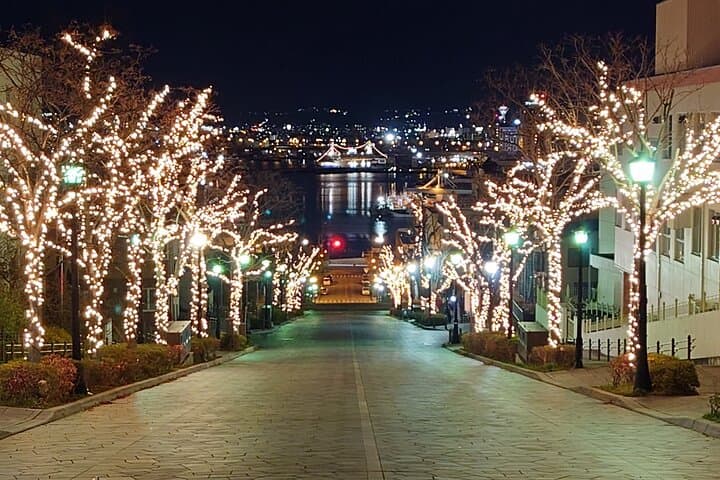
Start in Hakodate with a drive up Mt. Hakodate for broad harbor views, then walk Motomachi’s slopes where 19th-century trade left Western-style churches and merchant homes. Goryokaku’s star-shaped fort recalls the last samurai clashes and Hijikata Toshizo; the contrast between Western fort design and Japanese masonry is tangible.
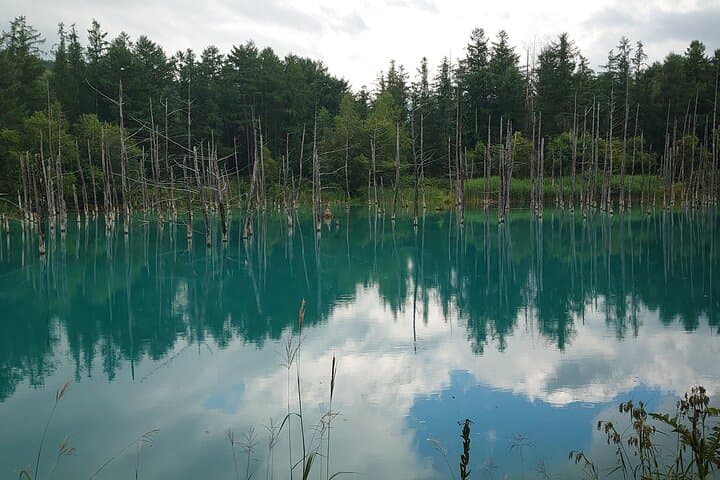
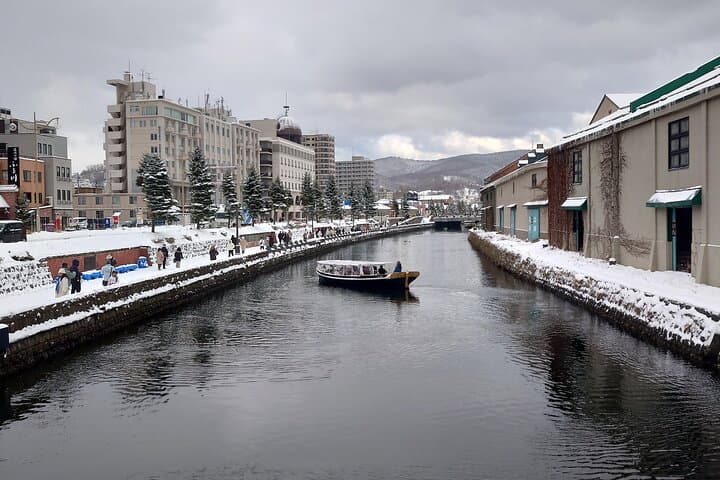
Geology defines much of the route—Lake Toya sits inside a volcanic caldera, and steam and sulfur carve Noboribetsu’s “hell valley” into a raw, steaming landscape. Biei and Furano shift the mood to pastoral: blue ponds, sculpted hills, and seasonal flower farms. Otaru’s canal and glass shops close the loop with maritime craft and port town commerce.
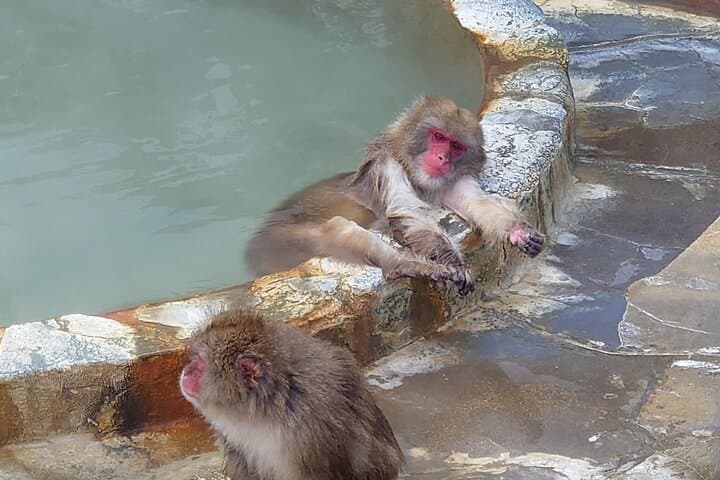
Practically: this is a private, vehicle-based 5-day itinerary ideal for photographers, history fans, and travelers who prefer a flexible pace (max five passengers). Drivers can reach viewpoints off public transport and adjust stops—use that flexibility for sunrise or less-crowded markets. Carry layers for coastal wind and sudden mountain showers, keep cash for small vendors, and respect onsen etiquette and wildlife distance rules.
Expect long driving days broken by spirited short walks, plenty of seafood counters, and the option to trade a shopping stop for extra time at a crater rim. The result is an efficient, locally attuned tour that makes Hokkaido feel immediately navigable and alive.
easy.
5 days (approx. 8–10 hours/day).
Suitable for travelers of most fitness levels; expect short walks at viewpoints and market browsing with mostly vehicle transit between stops.
Yes—the tour provides a private vehicle and driver for the full five-day itinerary for up to five passengers; local transfers between listed stops are included.
The listing includes free water, snacks, and parking fees; most meals, attraction admissions and special activities are paid locally unless otherwise arranged in advance.
Yes—the tour is fully customizable within the five-day window; communicate interests like photography, shopping, or history and the guide will adjust stops when possible.
Yes—stroller access and infant seats are available and the operator notes the tour is suitable for all fitness levels.
Hakodate opened as one of Japan’s first international ports in the late 1850s; Goryokaku’s star fort is tied to the final samurai conflicts of the Edo period.
Respect fragile volcanic and wetland environments by staying on trails and avoiding thermal vents; support local fisheries and markets that follow sustainable practices.
Hakodate Tour Guide operates guided outdoor trips and adventures with an emphasis on safety, stewardship, and memorable experiences.
You round a coastal bend and Hakodate's harbor opens like a lived-in map: redbrick warehouses, fishing boats, and the city climbing toward Mt. Hakodate. The private vehicle becomes a moving observatory—each stop a different face of Hokkaido: samurai-era fortresses, volcanic calderas, lavender fields, and snow-softened peaks.
You round a coastal bend and Hakodate's harbor opens like a lived-in map: redbrick warehouses, fishing boats, and the city climbing toward Mt. Hakodate. The private vehicle becomes a moving observatory—each stop a different face of Hokkaido: samurai-era fortresses, volcanic calderas, lavender fields, and snow-softened peaks.
Start in Hakodate with a drive up Mt. Hakodate for broad harbor views, then walk Motomachi’s slopes where 19th-century trade left Western-style churches and merchant homes. Goryokaku’s star-shaped fort recalls the last samurai clashes and Hijikata Toshizo; the contrast between Western fort design and Japanese masonry is tangible.
Geology defines much of the route—Lake Toya sits inside a volcanic caldera, and steam and sulfur carve Noboribetsu’s “hell valley” into a raw, steaming landscape. Biei and Furano shift the mood to pastoral: blue ponds, sculpted hills, and seasonal flower farms. Otaru’s canal and glass shops close the loop with maritime craft and port town commerce.
Practically: this is a private, vehicle-based 5-day itinerary ideal for photographers, history fans, and travelers who prefer a flexible pace (max five passengers). Drivers can reach viewpoints off public transport and adjust stops—use that flexibility for sunrise or less-crowded markets. Carry layers for coastal wind and sudden mountain showers, keep cash for small vendors, and respect onsen etiquette and wildlife distance rules.
Expect long driving days broken by spirited short walks, plenty of seafood counters, and the option to trade a shopping stop for extra time at a crater rim. The result is an efficient, locally attuned tour that makes Hokkaido feel immediately navigable and alive.