THE ADVENTURE COLLECTIVE® · Independent discovery and booking for outdoor travel

Cover Miyajima’s floating shrine and Hiroshima’s Peace Memorial Park in a private full-day walking tour with a knowledgeable English-speaking guide. This customizable itinerary blends waterfront crossings, historic sites, and practical logistics for a concentrated look at the region’s culture and history.
Cover Miyajima’s floating shrine and Hiroshima’s Peace Memorial Park in a private full-day walking tour with a knowledgeable English-speaking guide. This customizable itinerary blends waterfront crossings, historic sites, and practical logistics for a concentrated look at the region’s culture and history.
A shoreline breeze off Hiroshima Bay lifts the ferry wake as your guide steers the day: first across to Miyajima’s timber piers and the famous torii, then back through the city’s contemplative Peace Memorial Park. The route moves at walking pace—close enough to feel the spray from the bay and quiet enough for the museums’ testimonies to land.
Verified experiences and guided adventures in the surrounding area.
Operated by Beauty of Japan · Hiroshima, Hiroshima Prefecture
A shoreline breeze off Hiroshima Bay lifts the ferry wake as your guide steers the day: first across to Miyajima’s timber piers and the famous torii, then back through the city’s contemplative Peace Memorial Park. The route moves at walking pace—close enough to feel the spray from the bay and quiet enough for the museums’ testimonies to land.
Hiroshima’s story is plain in stone and water: Itsukushima Shrine sits on pilings that have earned UNESCO status and trace back centuries of Shinto practice; the Peace Memorial Park absorbs the modern history of August 6, 1945, in its layout and museums. Geologically, the Seto Inland Sea sculpts long, sheltered bays and tidal flats that make the shrine appear to float at high tide and stand on sand at low tide.
Culturally, the city balances reparative memory with a lively food scene—okonomiyaki joints and local oyster stalls cluster near the ports. Guides on this private, customizable tour tailor stops and pacing for interests and mobility; groups are capped at six and the day runs roughly eight hours.
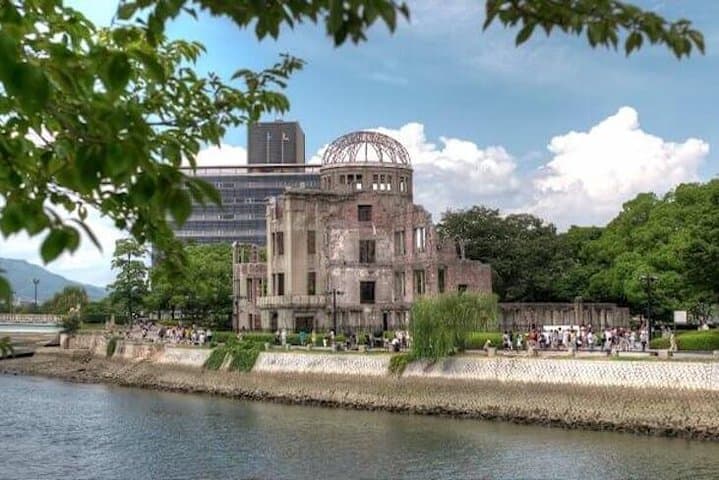
Practicalities matter: bring comfortable walking shoes, a light rain shell for sudden showers, and a daypack for water and camera gear. Expect a ferry crossing to Miyajima, some uneven wooden walkways at the shrine, and calm but solemn behavior at the Peace Memorial sites. Morning departures beat crowds at the torii; late afternoons offer softer light on the Atomic Bomb Dome. Confirm pickup, admissions, and any mobility needs when you book so the guide can shape a respectful, efficient day.
moderate.
8 hours.
Able to walk and stand for multiple hours with occasional short climbs; suitable for most active travelers.
The operator lists wheelchair-accessible transport and surfaces, but accessibility can vary by specific site (e.g., ferry ramps). Confirm mobility needs at booking so the guide can adapt the route.
Some admission fees and public transportation are listed as included, but your confirmation message will specify which sites and admissions are covered and if any fees must be paid on site.
Hotel pickup and drop-off are offered; the final meeting point and pick-up details are provided after booking based on your accommodation location.
Bookings are private for up to six people and the tour accepts participants aged six and up; notify the operator of children or special needs when reserving.
Hiroshima was devastated by the atomic bombing on August 6, 1945; the Peace Memorial Park and Museum document that event while Miyajima’s Itsukushima Shrine reflects centuries of Shinto architecture.
Visitors are asked to stay on marked paths, dispose of waste properly, and keep respectful distance at memorials; supporting local businesses helps sustain the island communities.
Beauty of Japan operates guided outdoor trips and adventures with an emphasis on safety, stewardship, and memorable experiences.
A shoreline breeze off Hiroshima Bay lifts the ferry wake as your guide steers the day: first across to Miyajima’s timber piers and the famous torii, then back through the city’s contemplative Peace Memorial Park. The route moves at walking pace—close enough to feel the spray from the bay and quiet enough for the museums’ testimonies to land.
A shoreline breeze off Hiroshima Bay lifts the ferry wake as your guide steers the day: first across to Miyajima’s timber piers and the famous torii, then back through the city’s contemplative Peace Memorial Park. The route moves at walking pace—close enough to feel the spray from the bay and quiet enough for the museums’ testimonies to land.
Hiroshima’s story is plain in stone and water: Itsukushima Shrine sits on pilings that have earned UNESCO status and trace back centuries of Shinto practice; the Peace Memorial Park absorbs the modern history of August 6, 1945, in its layout and museums. Geologically, the Seto Inland Sea sculpts long, sheltered bays and tidal flats that make the shrine appear to float at high tide and stand on sand at low tide.
Culturally, the city balances reparative memory with a lively food scene—okonomiyaki joints and local oyster stalls cluster near the ports. Guides on this private, customizable tour tailor stops and pacing for interests and mobility; groups are capped at six and the day runs roughly eight hours.
Practicalities matter: bring comfortable walking shoes, a light rain shell for sudden showers, and a daypack for water and camera gear. Expect a ferry crossing to Miyajima, some uneven wooden walkways at the shrine, and calm but solemn behavior at the Peace Memorial sites. Morning departures beat crowds at the torii; late afternoons offer softer light on the Atomic Bomb Dome. Confirm pickup, admissions, and any mobility needs when you book so the guide can shape a respectful, efficient day.