THE ADVENTURE COLLECTIVE® · Independent discovery and booking for outdoor travel

Leave the resorts behind and walk into Cotubanamá National Park with a local guide—light hiking through dry tropical forest, a swim in a sheltered limestone cave, and a Dominican home-cooked lunch in Bayahibe. This private tour pairs easy adventure with cultural immersion.
Leave the resorts behind and walk into Cotubanamá National Park with a local guide—light hiking through dry tropical forest, a swim in a sheltered limestone cave, and a Dominican home-cooked lunch in Bayahibe. This private tour pairs easy adventure with cultural immersion.
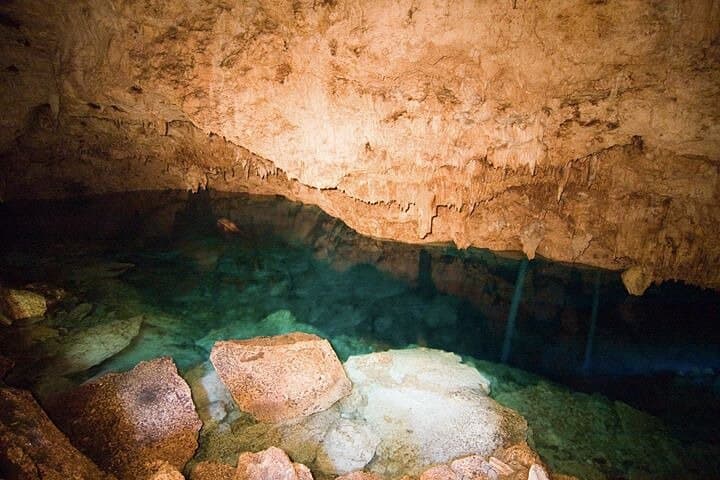
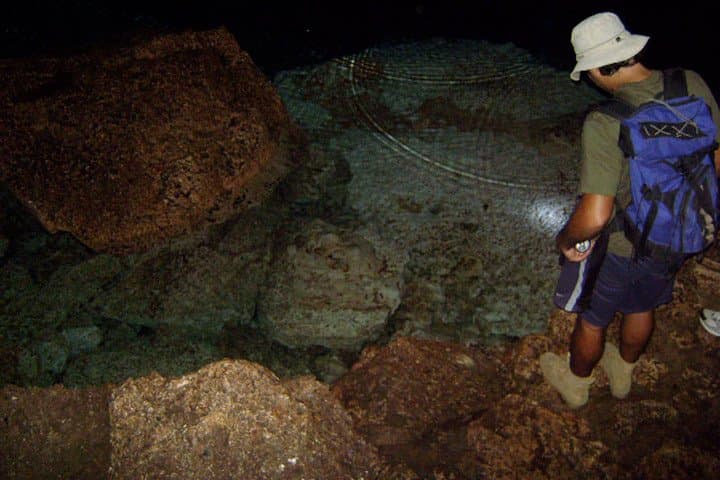
A salt-sweet breeze meets the forest before you even step out of the van—Bayahibe’s fishing boats blink in the distance while the dry tropical forest of Cotubanamá National Park waits inland like a patient guide. On this private half-day outing, the path narrows quickly into a canopy of thorny acacias, silver-leafed guayacan and the occasional towering ceiba. Guides move with local authority, pointing to slick caves in limestone outcrops where clear pools collect the island’s rain and tidal seepage; one of those pools invites you to drop in and let the cool water reset the day.
Verified experiences and guided adventures in the surrounding area.
Operated by Explora Ecotour · Bayahibe, La Romana
A salt-sweet breeze meets the forest before you even step out of the van—Bayahibe’s fishing boats blink in the distance while the dry tropical forest of Cotubanamá National Park waits inland like a patient guide. On this private half-day outing, the path narrows quickly into a canopy of thorny acacias, silver-leafed guayacan and the occasional towering ceiba. Guides move with local authority, pointing to slick caves in limestone outcrops where clear pools collect the island’s rain and tidal seepage; one of those pools invites you to drop in and let the cool water reset the day.
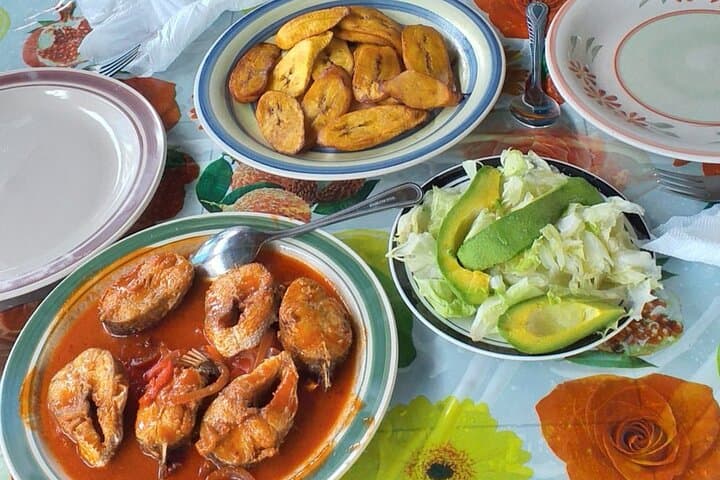
The park—known historically as Parque del Este and officially Cotubanamá National Park—protects a stretch of coastal plain, reef and karst cave systems that were meaningful to the Taíno people and later to colonial fishermen. Geologically, the area is a textbook of Caribbean karst: calcium-rich bedrock scoured by millennia of water, producing small caverns, sinkholes and pockets where subterranean pools form. Culturally, Bayahibe is a village with fishing at its core for generations; the afternoon’s lunch with a local family is as instructive as it is delicious—a chance to taste fresh-caught fish, plantain and rice while hearing town stories in Spanish and island dialect.
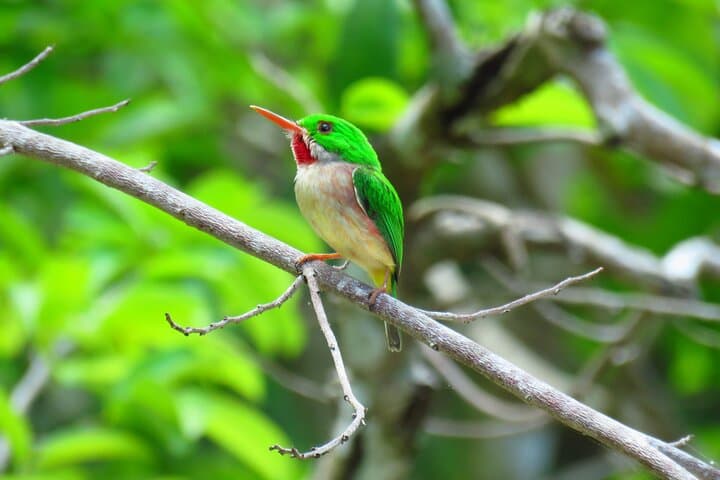
On the trail you’ll see how the dry forest behaves like a living calculator against the equatorial sun—short, decisive rains punch life into seasonal flowers, while long dry spells harden the understory into a crunchy, wildlife-friendly mat. Iguanas warm themselves on rocks; warblers and bananaquits flit through branches and sometimes the ocean’s pulse is audible between trees, reminding you how close coral reef and forest sit here.
Practical edge: the hike itself is light—roughly 1.5 hours of walking on uneven dirt and limestone, with short climbs and some slippery stone near cave pools. The full experience is a 5–7 hour program from pickup to drop-off because it includes transport from hotels, guided trail time, a cave swim and a family-style lunch in Bayahibe. Wear secure shoes that can get wet, bring reef-safe sunscreen, and expect warm, humid conditions year-round; mornings are cooler and the light is best for photos.
This private tour balances comfort and local immersion: air-conditioned transport, an experienced guide, a safe cave swim, and a meal that gives back to the community. It’s an easy way to disconnect from resorts and walk into a small-scale, well-protected slice of Dominican nature and culture.
moderate.
5–7 hours.
Light to moderate fitness—comfortable walking on uneven ground and brief climbs; suitable for most active travelers
The guided walk through the park is about 1.5 hours on uneven, sometimes rocky terrain with short climbs—rated easy-to-moderate.
Non-swimmers can participate if comfortable in shallow, calm pools; guides will brief safety and provide assistance but it's not a deep-water dive.
Towels are not typically provided—bring your own; snorkeling gear is not included on this tour unless specified, so check with the operator.
Hotel and port pickup is offered across Bayahibe and nearby resort areas; specify your pickup point when booking.
Yes—children can join if supervised; the activity is family-friendly but consider mobility and water comfort for younger kids.
Guides commonly speak Spanish and often English; confirm language needs at booking for any special requests.
Bayahibe and Cotubanamá National Park contain Taíno archaeological sites and were long-used by fishermen; the park preserves both reef and cave heritage tied to island life.
The area protects coral reef and karst cave systems—visitors are asked to use reef-safe products, avoid touching cave formations, and support local families offering meals and services.
Explora Ecotour operates guided outdoor trips and adventures with an emphasis on safety, stewardship, and memorable experiences.
A salt-sweet breeze meets the forest before you even step out of the van—Bayahibe’s fishing boats blink in the distance while the dry tropical forest of Cotubanamá National Park waits inland like a patient guide. On this private half-day outing, the path narrows quickly into a canopy of thorny acacias, silver-leafed guayacan and the occasional towering ceiba. Guides move with local authority, pointing to slick caves in limestone outcrops where clear pools collect the island’s rain and tidal seepage; one of those pools invites you to drop in and let the cool water reset the day.
A salt-sweet breeze meets the forest before you even step out of the van—Bayahibe’s fishing boats blink in the distance while the dry tropical forest of Cotubanamá National Park waits inland like a patient guide. On this private half-day outing, the path narrows quickly into a canopy of thorny acacias, silver-leafed guayacan and the occasional towering ceiba. Guides move with local authority, pointing to slick caves in limestone outcrops where clear pools collect the island’s rain and tidal seepage; one of those pools invites you to drop in and let the cool water reset the day.
The park—known historically as Parque del Este and officially Cotubanamá National Park—protects a stretch of coastal plain, reef and karst cave systems that were meaningful to the Taíno people and later to colonial fishermen. Geologically, the area is a textbook of Caribbean karst: calcium-rich bedrock scoured by millennia of water, producing small caverns, sinkholes and pockets where subterranean pools form. Culturally, Bayahibe is a village with fishing at its core for generations; the afternoon’s lunch with a local family is as instructive as it is delicious—a chance to taste fresh-caught fish, plantain and rice while hearing town stories in Spanish and island dialect.
On the trail you’ll see how the dry forest behaves like a living calculator against the equatorial sun—short, decisive rains punch life into seasonal flowers, while long dry spells harden the understory into a crunchy, wildlife-friendly mat. Iguanas warm themselves on rocks; warblers and bananaquits flit through branches and sometimes the ocean’s pulse is audible between trees, reminding you how close coral reef and forest sit here.
Practical edge: the hike itself is light—roughly 1.5 hours of walking on uneven dirt and limestone, with short climbs and some slippery stone near cave pools. The full experience is a 5–7 hour program from pickup to drop-off because it includes transport from hotels, guided trail time, a cave swim and a family-style lunch in Bayahibe. Wear secure shoes that can get wet, bring reef-safe sunscreen, and expect warm, humid conditions year-round; mornings are cooler and the light is best for photos.
This private tour balances comfort and local immersion: air-conditioned transport, an experienced guide, a safe cave swim, and a meal that gives back to the community. It’s an easy way to disconnect from resorts and walk into a small-scale, well-protected slice of Dominican nature and culture.