THE ADVENTURE COLLECTIVE® · Independent discovery and booking for outdoor travel

Walk the terraces of Kurseong and Darjeeling on a private four-day tea trail that mixes estate visits, plucking lessons, factory tours and regional sightseeing. Early sunrises, hands-on tastings and cultural stops frame the history behind every cup.
Walk the terraces of Kurseong and Darjeeling on a private four-day tea trail that mixes estate visits, plucking lessons, factory tours and regional sightseeing. Early sunrises, hands-on tastings and cultural stops frame the history behind every cup.
Morning mist lifts off the rows of tea bushes and the estate exhales a cool, camphor-scented breath—this is the first impression on the Heritage Tea Trail. You arrive by road from Bagdogra/NJP, climb into the hills around Kurseong and find a landscape where terraces and winding paths guide you through plantations that slope like green waves toward the horizon.
Verified experiences and guided adventures in the surrounding area.
Operated by The Unexplored · Kurseong, West Bengal
Morning mist lifts off the rows of tea bushes and the estate exhales a cool, camphor-scented breath—this is the first impression on the Heritage Tea Trail. You arrive by road from Bagdogra/NJP, climb into the hills around Kurseong and find a landscape where terraces and winding paths guide you through plantations that slope like green waves toward the horizon.
The region’s tea culture dates to British colonial plantations of the 19th century; estates like Makaibari were early adopters of orthodox processing and now balance tradition with small-batch innovation. Geologically, the Darjeeling–Kurseong belt sits on steep schist and quartzite slopes carved by Himalayan uplift; those elevations and cool, wet microclimates create the thin-leaved, aromatic cultivars prized here.
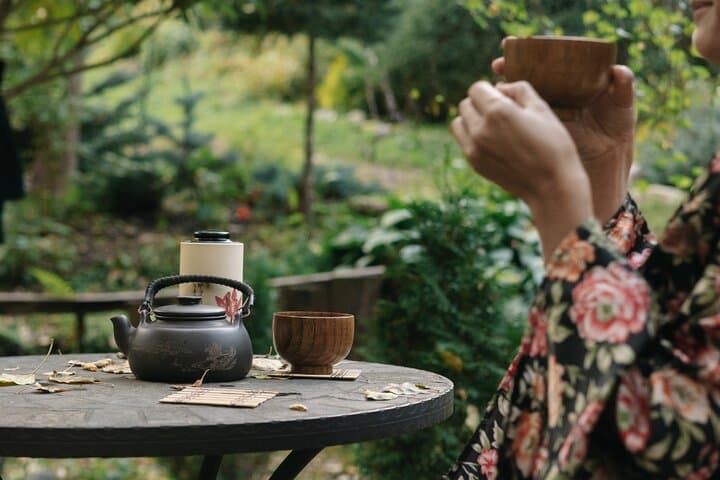
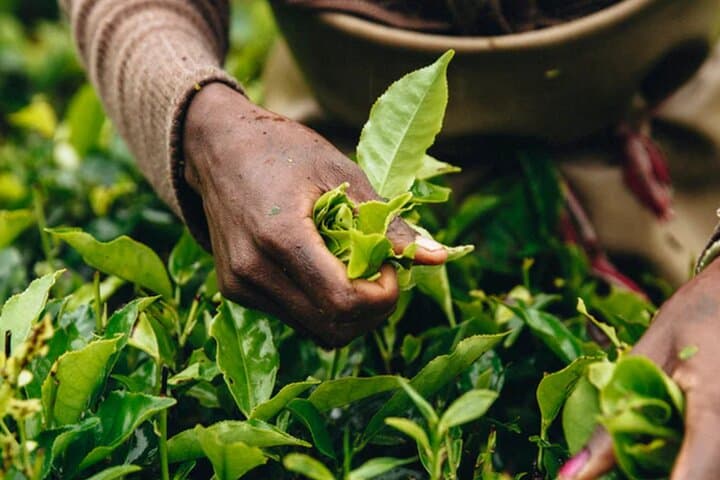
Over four days you’ll pluck alongside local workers, tour with an estate guide through withering troughs and rolling machines, and taste teas that shift from vegetal to muscatel with altitude and processing. You’ll also visit Darjeeling’s Batasia Loop, Ghoom Monastery and a Himalayan zoo housing red pandas—places where culture, religion and conservation intersect.
Practical notes: expect gentle walks across uneven, sometimes muddy paths and early starts for sunrise views. Layers are essential—mornings are near-chill and afternoons can warm quickly. Hydrate between cuppings; tea is diuretic. Photography is welcomed but ask before shooting workers. Mobility is moderate—no technical skills required—yet be ready for stairs and short climbs around estates.
This tour is part immersion, part field study: you sleep in a tea bungalow, taste at the factory, and leave with a clearer sense of how elevation, soil and human care shape what’s in your cup.
easy.
4 days.
Suitable for travelers in average health who can manage short walks and stairs; not strenuous but involves uneven terrain.
The private itinerary runs four days, with arrival at Bagdogra/NJP, two full days of estate and Darjeeling activities, and departure on day four.
Yes—physical demands are light, but expect uneven ground and early mornings; inform the operator of mobility needs so pacing can be adjusted.
Yes—guided plucking with experienced workers is part of the estate visit, giving hands-on insight into leaf selection and technique.
Yes—breakfasts and dinners and overnight stays in a tea bungalow and Darjeeling hotel are included as listed in the itinerary.
Tea planting in Darjeeling began under British colonial administration in the 1800s; estates like Makaibari pioneered orthodox production and estate-to-cup branding.
Many estates now practice organic or biodynamic methods and community programs; visitors should stick to trails and avoid disturbing workers or wildlife to minimize impact.
The Unexplored operates guided outdoor trips and adventures with an emphasis on safety, stewardship, and memorable experiences.


Morning mist lifts off the rows of tea bushes and the estate exhales a cool, camphor-scented breath—this is the first impression on the Heritage Tea Trail. You arrive by road from Bagdogra/NJP, climb into the hills around Kurseong and find a landscape where terraces and winding paths guide you through plantations that slope like green waves toward the horizon.
Morning mist lifts off the rows of tea bushes and the estate exhales a cool, camphor-scented breath—this is the first impression on the Heritage Tea Trail. You arrive by road from Bagdogra/NJP, climb into the hills around Kurseong and find a landscape where terraces and winding paths guide you through plantations that slope like green waves toward the horizon.
The region’s tea culture dates to British colonial plantations of the 19th century; estates like Makaibari were early adopters of orthodox processing and now balance tradition with small-batch innovation. Geologically, the Darjeeling–Kurseong belt sits on steep schist and quartzite slopes carved by Himalayan uplift; those elevations and cool, wet microclimates create the thin-leaved, aromatic cultivars prized here.
Over four days you’ll pluck alongside local workers, tour with an estate guide through withering troughs and rolling machines, and taste teas that shift from vegetal to muscatel with altitude and processing. You’ll also visit Darjeeling’s Batasia Loop, Ghoom Monastery and a Himalayan zoo housing red pandas—places where culture, religion and conservation intersect.
Practical notes: expect gentle walks across uneven, sometimes muddy paths and early starts for sunrise views. Layers are essential—mornings are near-chill and afternoons can warm quickly. Hydrate between cuppings; tea is diuretic. Photography is welcomed but ask before shooting workers. Mobility is moderate—no technical skills required—yet be ready for stairs and short climbs around estates.
This tour is part immersion, part field study: you sleep in a tea bungalow, taste at the factory, and leave with a clearer sense of how elevation, soil and human care shape what’s in your cup.