THE ADVENTURE COLLECTIVE® · Independent discovery and booking for outdoor travel

Ride the Lake Haruna Ropeway up Haruna's caldera rim, stroll the lakeshore, and learn the volcanic and cultural history of one of Gunma’s iconic peaks. Perfect for a day trip from Tokyo with easy walking and big views.
Ride the Lake Haruna Ropeway up Haruna's caldera rim, stroll the lakeshore, and learn the volcanic and cultural history of one of Gunma’s iconic peaks. Perfect for a day trip from Tokyo with easy walking and big views.
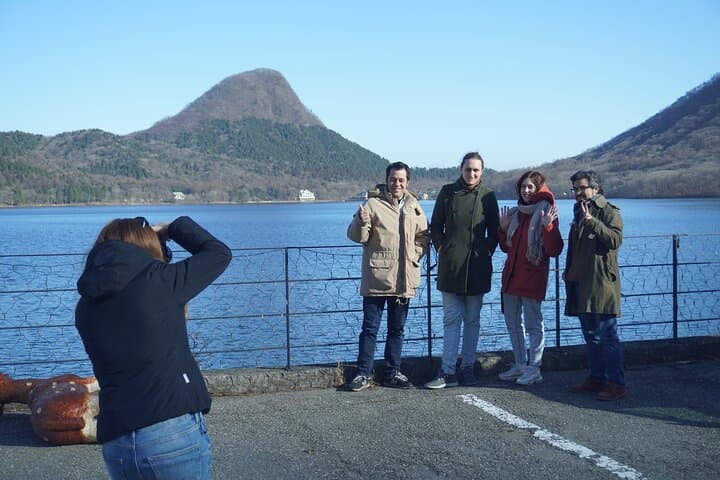
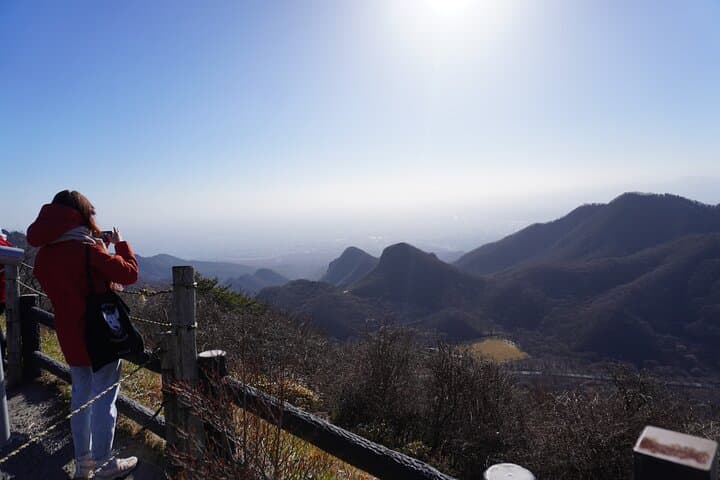
A cool wind carries the scent of pines as you step off the ropeway onto the rim of Haruna's caldera. Below, Lake Haruna glints like a dark eye; around you, ridgelines sweep away toward Gunma's low mountains. The guide points out fumarolic vents and the path that skirts the lake, inviting a measured stroll rather than a summit push — this is an outing shaped for clear views and quiet geology.
Verified experiences and guided adventures in the surrounding area.
Operated by Gunma Travel · Takasaki, Gunma
A cool wind carries the scent of pines as you step off the ropeway onto the rim of Haruna's caldera. Below, Lake Haruna glints like a dark eye; around you, ridgelines sweep away toward Gunma's low mountains. The guide points out fumarolic vents and the path that skirts the lake, inviting a measured stroll rather than a summit push — this is an outing shaped for clear views and quiet geology.
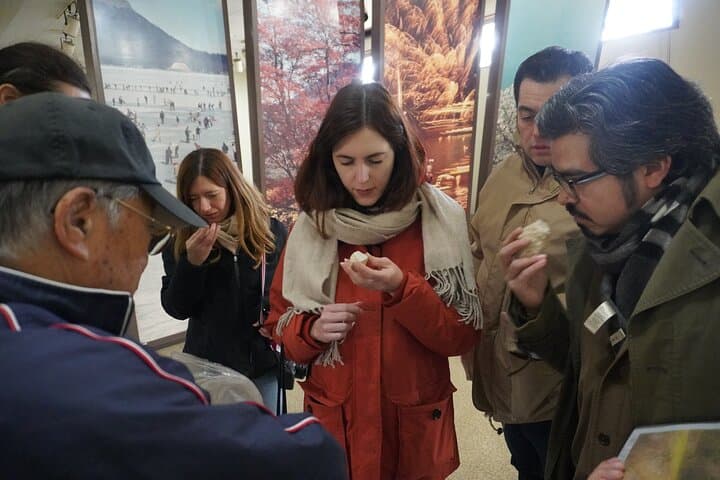
Haruna is one of Gunma's three celebrated mountains and a volcanic cone whose last major activity sculpted the caldera that now holds Lake Haruna. The area’s geology—andesitic lava flows and a crater rim—explains the ropeway's dramatic ascent and the visitor center’s interpretive displays. Culturally, Haruna Shrine, nearby roads lined with old inns, and local trout farms reflect a long history of mountain reverence and rural life accessible from Takasaki and Tokyo.
On the ground you'll find a mix of paved promenades around the lake, short forest tracks, and the ropeway ascent that cuts through conifer stands. Expect sweeping panoramas in clear weather and crisp, reflective water in the shoulder seasons; the ropeway shortens the climb and opens the summit to most fitness levels.
Practical guidance: go early for light and quieter trails, bring layers for summit wind, wear sturdy walking shoes for mixed terrain, and carry water — there are cafés but limited services at higher viewpoints. Weather can change fast at elevation; plan 1–2 hours for the experience and allow time to explore the visitor center and lakeshore after the ropeway ride.
easy.
1–2 hours.
Suitable for most fitness levels; primarily short walks and a ropeway ride so basic mobility is sufficient.
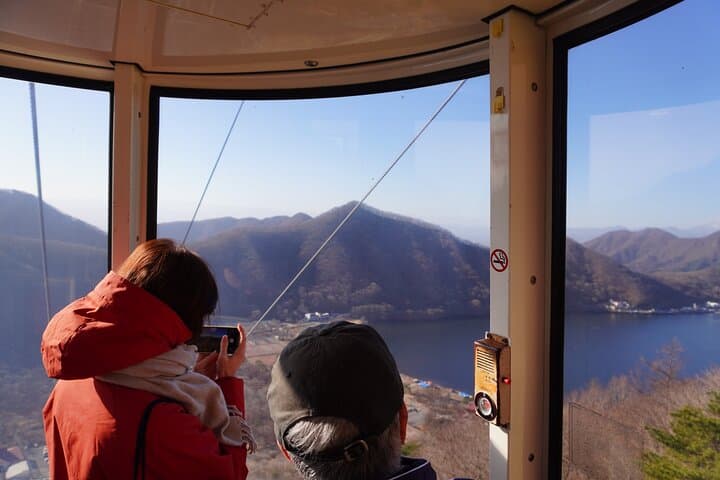
The Lake Haruna Ropeway is a short ascent (typically 5–10 minutes) offering panoramic views as it climbs to the caldera rim.
Yes; the itinerary is described as suitable for all fitness levels and uses the ropeway to access summit viewpoints, but mobility limitations should be discussed with the operator.
Check your booking details — ropeway tickets are often included on guided tours, but confirm with the operator or tour confirmation page.
Clear days in late spring, autumn, or winter mornings usually provide the best visibility; avoid low-cloud days for unobstructed panoramas.
Haruna has been venerated locally for centuries and figures in regional folklore; the mountain’s volcanic caldera shaped settlement patterns around the lake.
The area balances tourism with quiet recreation—stay on designated paths, pack out waste, and respect seasonal habitat closures to protect bird and forest communities.
Gunma Travel operates guided outdoor trips and adventures with an emphasis on safety, stewardship, and memorable experiences.
A cool wind carries the scent of pines as you step off the ropeway onto the rim of Haruna's caldera. Below, Lake Haruna glints like a dark eye; around you, ridgelines sweep away toward Gunma's low mountains. The guide points out fumarolic vents and the path that skirts the lake, inviting a measured stroll rather than a summit push — this is an outing shaped for clear views and quiet geology.
A cool wind carries the scent of pines as you step off the ropeway onto the rim of Haruna's caldera. Below, Lake Haruna glints like a dark eye; around you, ridgelines sweep away toward Gunma's low mountains. The guide points out fumarolic vents and the path that skirts the lake, inviting a measured stroll rather than a summit push — this is an outing shaped for clear views and quiet geology.
Haruna is one of Gunma's three celebrated mountains and a volcanic cone whose last major activity sculpted the caldera that now holds Lake Haruna. The area’s geology—andesitic lava flows and a crater rim—explains the ropeway's dramatic ascent and the visitor center’s interpretive displays. Culturally, Haruna Shrine, nearby roads lined with old inns, and local trout farms reflect a long history of mountain reverence and rural life accessible from Takasaki and Tokyo.
On the ground you'll find a mix of paved promenades around the lake, short forest tracks, and the ropeway ascent that cuts through conifer stands. Expect sweeping panoramas in clear weather and crisp, reflective water in the shoulder seasons; the ropeway shortens the climb and opens the summit to most fitness levels.
Practical guidance: go early for light and quieter trails, bring layers for summit wind, wear sturdy walking shoes for mixed terrain, and carry water — there are cafés but limited services at higher viewpoints. Weather can change fast at elevation; plan 1–2 hours for the experience and allow time to explore the visitor center and lakeshore after the ropeway ride.