THE ADVENTURE COLLECTIVE® · Independent discovery and booking for outdoor travel

Skip the crowds and follow a private guide through London locations used in the Harry Potter films. In two hours you’ll visit Platform 9¾, film-ready markets and hidden façades while learning on-site filming and literary context.
Skip the crowds and follow a private guide through London locations used in the Harry Potter films. In two hours you’ll visit Platform 9¾, film-ready markets and hidden façades while learning on-site filming and literary context.
You step out of the bustle of King’s Cross and the city’s brick and glass lean in close — pavements, station arches, and the steady thrum of buses. A private guide draws a route through streets and squares that doubled for cinema magic: the famous trolley at Platform 9¾, narrow market lanes used for Diagon Alley, and discreet façades that stood in for the Ministry of Magic.
Verified experiences and guided adventures in the surrounding area.
Operated by DS Tours · London, Greater London
You step out of the bustle of King’s Cross and the city’s brick and glass lean in close — pavements, station arches, and the steady thrum of buses. A private guide draws a route through streets and squares that doubled for cinema magic: the famous trolley at Platform 9¾, narrow market lanes used for Diagon Alley, and discreet façades that stood in for the Ministry of Magic.
London’s layers are visible on this short route: Victorian rail termini, Georgian squares and market halls sitting atop Roman and medieval street patterns. Many film crews used these everyday places because their textures read well on camera — cobbled stones, wrought-iron shopfronts, and covered arcades. Cultural notes surface as you walk: how a working city became a film set, and how local traders and markets were woven into cinematic scenes.
The tour’s practical edge is simple. Expect two hours of mostly flat, urban walking with brief public-transport hops; there are station stairs and pedestrianized zones. The guide provides audiovisual comparisons of screen moments and on-site context about filming, JK Rowling’s London references, and photo stops timed to avoid peak crowds where possible.
Plan for changeable weather, contactless payment for transit, and a phone with camera space. Accessibility is generally good — many streets and stops are wheelchair-friendly, but some older station areas have steps. Book a private slot to set pace and interests: families, Potter fans or architecture-minded travelers get the same route tailored to their curiosity.
easy.
2 hours.
Suitable for most fitness levels; involves up to two hours of urban walking and brief public-transport transfers
Yes—the operator notes wheelchair and stroller accessibility for the route, though some historic station areas may have steps; contact the guide in advance for route adjustments.
No—public transport fares are not included; bring a contactless card or Oyster for any Tube or bus segments.
Yes—this private tour is family-friendly and suitable for all ages; guides adapt pace and content for younger guests.
You’ll visit recognizable filming locations and many exteriors used in the films; full studio interiors (like the Great Hall) are located outside central London and are not part of this walking tour.
The route crosses parts of central London shaped by Victorian railway expansion and older market streets, many of which provided filmmakers with period texture for the films.
Respect local businesses and public spaces by staying on sidewalks and avoiding obstructing shopfronts; support small traders you pass to keep these historic areas vibrant.
DS Tours operates guided outdoor trips and adventures with an emphasis on safety, stewardship, and memorable experiences.
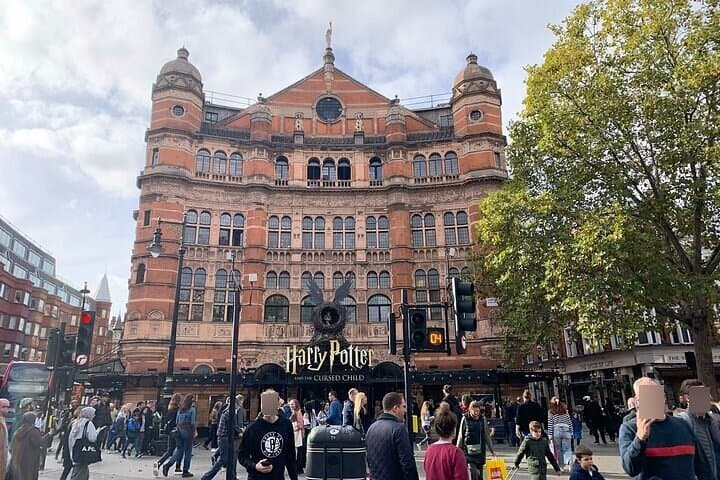
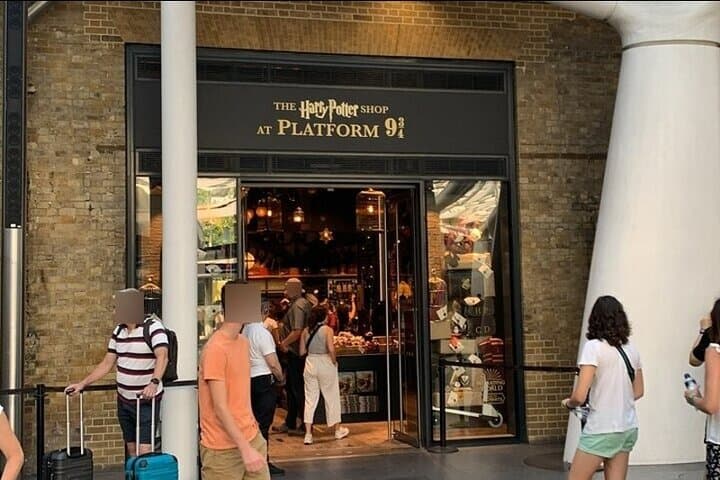
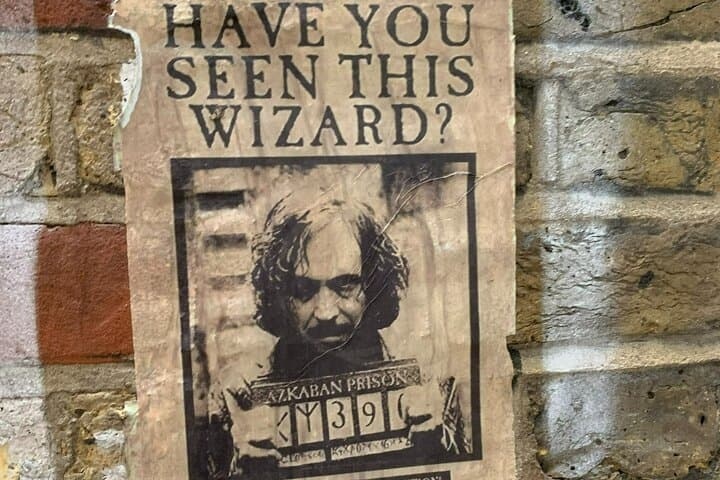
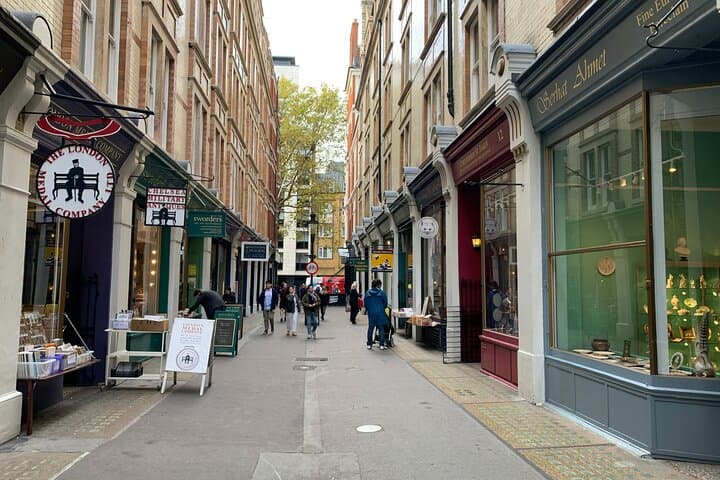
You step out of the bustle of King’s Cross and the city’s brick and glass lean in close — pavements, station arches, and the steady thrum of buses. A private guide draws a route through streets and squares that doubled for cinema magic: the famous trolley at Platform 9¾, narrow market lanes used for Diagon Alley, and discreet façades that stood in for the Ministry of Magic.
You step out of the bustle of King’s Cross and the city’s brick and glass lean in close — pavements, station arches, and the steady thrum of buses. A private guide draws a route through streets and squares that doubled for cinema magic: the famous trolley at Platform 9¾, narrow market lanes used for Diagon Alley, and discreet façades that stood in for the Ministry of Magic.
London’s layers are visible on this short route: Victorian rail termini, Georgian squares and market halls sitting atop Roman and medieval street patterns. Many film crews used these everyday places because their textures read well on camera — cobbled stones, wrought-iron shopfronts, and covered arcades. Cultural notes surface as you walk: how a working city became a film set, and how local traders and markets were woven into cinematic scenes.
The tour’s practical edge is simple. Expect two hours of mostly flat, urban walking with brief public-transport hops; there are station stairs and pedestrianized zones. The guide provides audiovisual comparisons of screen moments and on-site context about filming, JK Rowling’s London references, and photo stops timed to avoid peak crowds where possible.
Plan for changeable weather, contactless payment for transit, and a phone with camera space. Accessibility is generally good — many streets and stops are wheelchair-friendly, but some older station areas have steps. Book a private slot to set pace and interests: families, Potter fans or architecture-minded travelers get the same route tailored to their curiosity.