THE ADVENTURE COLLECTIVE® · Independent discovery and booking for outdoor travel

Explore Hanoi’s Old Quarter on a private three-hour walking tour that visits Train Street, Long Biên Bridge, Dong Xuan Market and St. Joseph’s Cathedral. Expect narrow alleys, strong coffee, local markets and close-up views of city life along active rail tracks.
Explore Hanoi’s Old Quarter on a private three-hour walking tour that visits Train Street, Long Biên Bridge, Dong Xuan Market and St. Joseph’s Cathedral. Expect narrow alleys, strong coffee, local markets and close-up views of city life along active rail tracks.
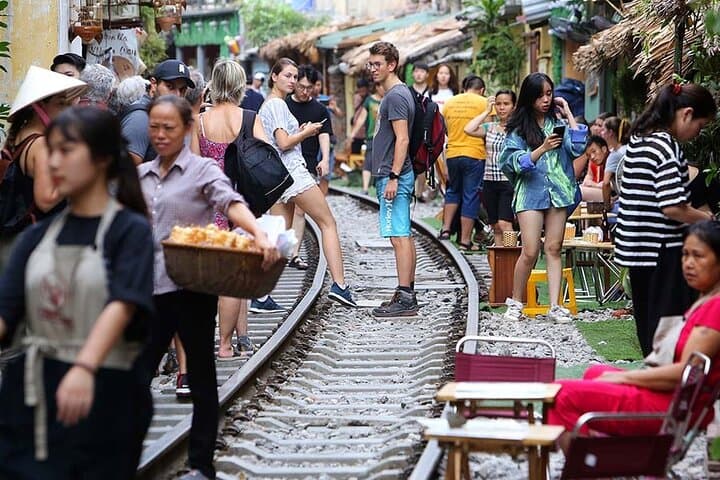
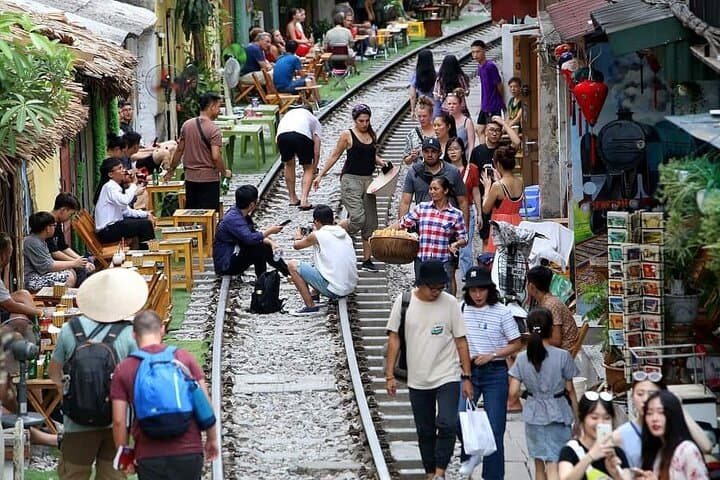
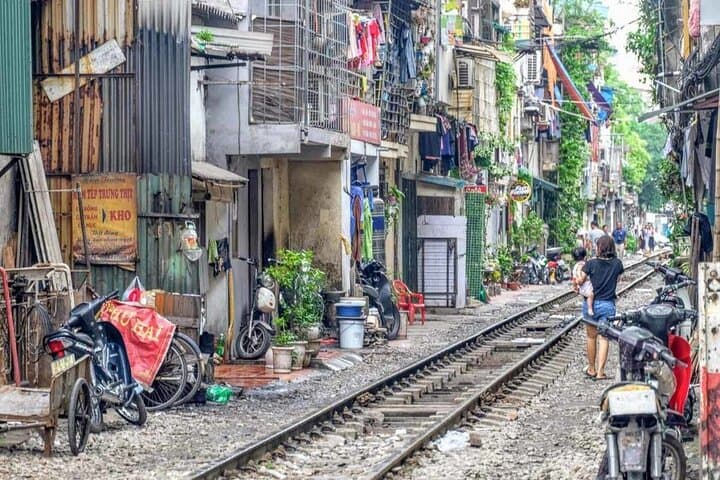
You step out from a narrow alley into a pulse of scooters and shouted prices; steam rises from street-side pho, and minutes later a stainless rail cuts through a row of cafés where patrons sip coffee as a train barrels past. This three-hour private walk threads the Old Quarter’s lanes, stopping at St. Joseph’s Cathedral, the market lanes of Dong Xuan, the century-old tracks of Train Street and the iron span of Long Biên Bridge.
Verified experiences and guided adventures in the surrounding area.
Operated by Authentuc PU LUONG · Hanoi, Hanoi
You step out from a narrow alley into a pulse of scooters and shouted prices; steam rises from street-side pho, and minutes later a stainless rail cuts through a row of cafés where patrons sip coffee as a train barrels past. This three-hour private walk threads the Old Quarter’s lanes, stopping at St. Joseph’s Cathedral, the market lanes of Dong Xuan, the century-old tracks of Train Street and the iron span of Long Biên Bridge.
Hanoi’s streets bear layers of history: French colonial Gothic at the cathedral, the industrial ironwork of Long Biên—built in the early 20th century—and markets that have supplied the city since the Nguyen era. The geology is flat river plain, shaped by the Red River’s seasonal rise, which made Hanoi a trade hub and left the Old Quarter with dense, narrow plots and mixed-use buildings. Guides point out local crafts, coffee culture, and the informal economies tucked in alleyways.
Practical guidance: the tour begins with hotel pickup in the Old Quarter and is predominantly on foot over paved, uneven surfaces—expect 2–3 miles of walking across tight sidewalks and occasional stairs. Bring cash for market purchases, wear closed-toe shoes, and time the visit outside peak heat or rush-hour if you prefer fewer crowds. On Train Street, follow your guide’s instructions closely—the train runs on a strict schedule and residents live steps from the rails. Hydrate, carry a light rain layer during monsoon season, and leave room to linger at a coffee stall; the city’s best street-level stories often come from small conversations with shop owners.
easy.
3 hours.
Suitable for most fitness levels—expect continuous walking on flat but uneven urban terrain for up to three hours.
Yes—Train Street is an active line; the guide times the visit to coincide with scheduled passes so you can observe from safe vantage points.
Pickup is included for hotels within Hanoi’s Old Quarter only; meeting point confirmations are provided at booking.
The tour is rated easy and can accommodate most ages, but it involves standing near tracks and walking on uneven surfaces—consider mobility and supervision for young children.
The tour includes a bottle of water and tea or coffee on Train Street; additional market snacks or meals are at your own expense.
Hanoi’s Old Quarter evolved under centuries of commerce and French colonial planning; Long Biên Bridge, completed in the early 1900s, carried both goods and strategic importance through wartime damage and repairs.
Train Street has seen overtourism impacts—follow guides’ rules, avoid stepping onto tracks, minimize noise and refuse, and support local businesses respectfully.
Authentuc PU LUONG operates guided outdoor trips and adventures with an emphasis on safety, stewardship, and memorable experiences.

You step out from a narrow alley into a pulse of scooters and shouted prices; steam rises from street-side pho, and minutes later a stainless rail cuts through a row of cafés where patrons sip coffee as a train barrels past. This three-hour private walk threads the Old Quarter’s lanes, stopping at St. Joseph’s Cathedral, the market lanes of Dong Xuan, the century-old tracks of Train Street and the iron span of Long Biên Bridge.
You step out from a narrow alley into a pulse of scooters and shouted prices; steam rises from street-side pho, and minutes later a stainless rail cuts through a row of cafés where patrons sip coffee as a train barrels past. This three-hour private walk threads the Old Quarter’s lanes, stopping at St. Joseph’s Cathedral, the market lanes of Dong Xuan, the century-old tracks of Train Street and the iron span of Long Biên Bridge.
Hanoi’s streets bear layers of history: French colonial Gothic at the cathedral, the industrial ironwork of Long Biên—built in the early 20th century—and markets that have supplied the city since the Nguyen era. The geology is flat river plain, shaped by the Red River’s seasonal rise, which made Hanoi a trade hub and left the Old Quarter with dense, narrow plots and mixed-use buildings. Guides point out local crafts, coffee culture, and the informal economies tucked in alleyways.
Practical guidance: the tour begins with hotel pickup in the Old Quarter and is predominantly on foot over paved, uneven surfaces—expect 2–3 miles of walking across tight sidewalks and occasional stairs. Bring cash for market purchases, wear closed-toe shoes, and time the visit outside peak heat or rush-hour if you prefer fewer crowds. On Train Street, follow your guide’s instructions closely—the train runs on a strict schedule and residents live steps from the rails. Hydrate, carry a light rain layer during monsoon season, and leave room to linger at a coffee stall; the city’s best street-level stories often come from small conversations with shop owners.