THE ADVENTURE COLLECTIVE® · Independent discovery and booking for outdoor travel

Walk Hanoi’s Old Quarter with a local guide, from St. Joseph’s Cathedral to the startling intimacy of Train Street. This private 3–4 hour tour mixes markets, history, and river views with practical, on-the-ground tips.
Walk Hanoi’s Old Quarter with a local guide, from St. Joseph’s Cathedral to the startling intimacy of Train Street. This private 3–4 hour tour mixes markets, history, and river views with practical, on-the-ground tips.
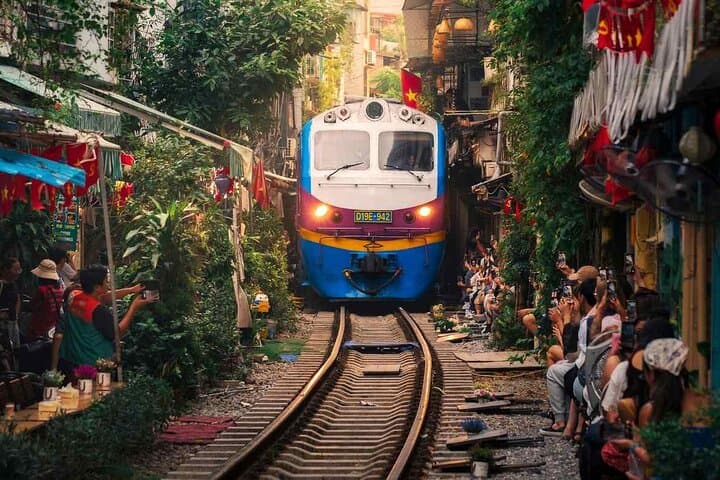
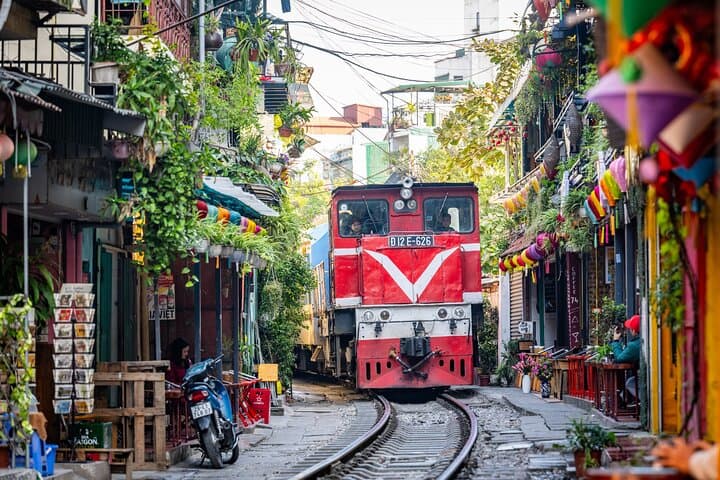
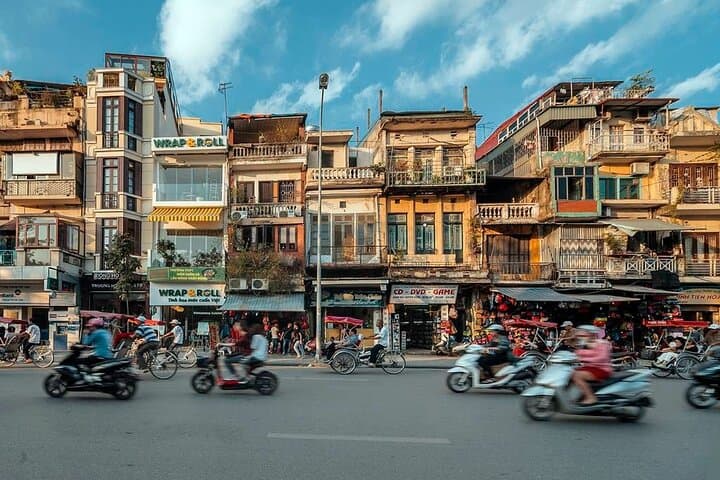
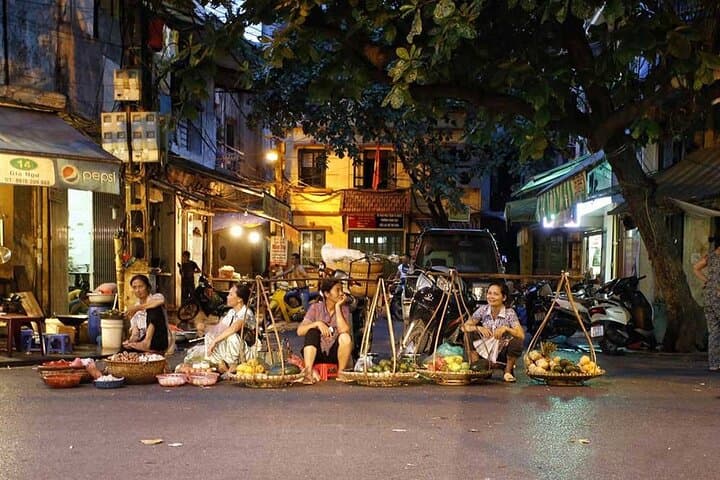
A late-morning sun pours down the narrow lanes of Hanoi’s Old Quarter, steam from a street grill curling into the air as a train’s whistle threads through a residential street. On this private walking tour you move at a local pace—ducking into markets, pausing on the iron ribs of Long Biên Bridge, and standing where rails bisect everyday life.
Verified experiences and guided adventures in the surrounding area.
Operated by Charm Tourist · Hanoi, Hanoi
A late-morning sun pours down the narrow lanes of Hanoi’s Old Quarter, steam from a street grill curling into the air as a train’s whistle threads through a residential street. On this private walking tour you move at a local pace—ducking into markets, pausing on the iron ribs of Long Biên Bridge, and standing where rails bisect everyday life.
The Old Quarter grew from centuries of craft guilds clustered along streets that still bear their names; the railway through Train Street arrived during the colonial era, threading the neighborhood into the modern city. Beneath the brick and concrete, the Red River’s alluvial plain shaped this flat, walkable core and enabled the market economy that made Dong Xuan Market a regional hub.
Culture here is tactile: cathedral bells, vendors calling prices, motorbikes negotiating impossible gaps. Long Biên Bridge, built by French engineers at the turn of the 20th century, survived wartime damage and now frames views of the river’s wide sweep. Train Street offers a rare urban juxtaposition—residential life and heavy rail inches apart—so respect and attention are part of the experience.
Practical guidance: plan this 3–4 hour tour for morning or late afternoon to avoid mid-day heat; comfortable shoes and a reusable water bottle are essential. Keep small change for market bites, follow your guide’s directions near the tracks, and use camera settings that allow quick shots—the train’s arrival is a brief, dramatic moment. Expect moderate crowds, frequent street crossings, and an intimate look at Hanoi’s daily rhythms.
easy.
3–4 hours.
Suitable for most fitness levels; requires standing and walking on uneven pavements for several hours
With a licensed guide and by following safety instructions you can view Train Street safely—never enter the track area and heed local signals.
Yes—the typical itinerary includes a stop at Long Biên Bridge for photos and a brief history of its role in Hanoi’s development.
According to the tour details, all entrance fees are included and hotel pickup in the Old Quarter is provided.
This is a private tour, so guides generally tailor stops and pace based on interests and mobility—communicate preferences when booking.
Hanoi’s Old Quarter formed around trade guild streets; the railway was introduced during French colonial rule and Long Biên Bridge was constructed by French engineers around the turn of the 20th century.
High foot traffic and photography on Train Street can strain local life—travelers should minimize disruption, avoid leaving litter, and support small vendors to benefit the community.
Charm Tourist operates guided outdoor trips and adventures with an emphasis on safety, stewardship, and memorable experiences.
A late-morning sun pours down the narrow lanes of Hanoi’s Old Quarter, steam from a street grill curling into the air as a train’s whistle threads through a residential street. On this private walking tour you move at a local pace—ducking into markets, pausing on the iron ribs of Long Biên Bridge, and standing where rails bisect everyday life.
A late-morning sun pours down the narrow lanes of Hanoi’s Old Quarter, steam from a street grill curling into the air as a train’s whistle threads through a residential street. On this private walking tour you move at a local pace—ducking into markets, pausing on the iron ribs of Long Biên Bridge, and standing where rails bisect everyday life.
The Old Quarter grew from centuries of craft guilds clustered along streets that still bear their names; the railway through Train Street arrived during the colonial era, threading the neighborhood into the modern city. Beneath the brick and concrete, the Red River’s alluvial plain shaped this flat, walkable core and enabled the market economy that made Dong Xuan Market a regional hub.
Culture here is tactile: cathedral bells, vendors calling prices, motorbikes negotiating impossible gaps. Long Biên Bridge, built by French engineers at the turn of the 20th century, survived wartime damage and now frames views of the river’s wide sweep. Train Street offers a rare urban juxtaposition—residential life and heavy rail inches apart—so respect and attention are part of the experience.
Practical guidance: plan this 3–4 hour tour for morning or late afternoon to avoid mid-day heat; comfortable shoes and a reusable water bottle are essential. Keep small change for market bites, follow your guide’s directions near the tracks, and use camera settings that allow quick shots—the train’s arrival is a brief, dramatic moment. Expect moderate crowds, frequent street crossings, and an intimate look at Hanoi’s daily rhythms.