THE ADVENTURE COLLECTIVE® · Independent discovery and booking for outdoor travel

Explore Zurich in a private van, combining short city walks—Niederdorf, Bahnhofstrasse—and a visit to the Rhine Falls, Europe’s most powerful waterfall. Flexible photo stops and a chauffeur let you control the pace on this 6‑hour orientation tour.
Explore Zurich in a private van, combining short city walks—Niederdorf, Bahnhofstrasse—and a visit to the Rhine Falls, Europe’s most powerful waterfall. Flexible photo stops and a chauffeur let you control the pace on this 6‑hour orientation tour.
The van pulls away from Bahnhofstrasse and the city slips into a moving frame: glass storefronts give way to chestnut-lined promenades, then to the sudden thunder of Rhine Falls. You feel the current’s insistence from the roadside vantage—water pushing forward like a living wall—while the chauffeur waits and the city noise shrinks behind you.
Verified experiences and guided adventures in the surrounding area.
Operated by Tour Passion · Zurich, Canton of Zurich
The van pulls away from Bahnhofstrasse and the city slips into a moving frame: glass storefronts give way to chestnut-lined promenades, then to the sudden thunder of Rhine Falls. You feel the current’s insistence from the roadside vantage—water pushing forward like a living wall—while the chauffeur waits and the city noise shrinks behind you.
Zurich’s streets carry layers of history: a Roman trading post called Turicum grew into a medieval river town, later shaped by the Fraumünster convent and the merchant guilds of the medieval old town. Geologically the Rhine Falls mark where the High Rhine encounters resistant rock, producing the 150‑metre wide cascade that now draws visitors from across Europe. Cultural notes follow the route: Bahnhofstrasse’s 19th‑century urban remaking, Niederdorf’s narrow lanes where Lenin once lived, and Schloss Laufen’s terraces that frame the falls.
Practically, the itinerary is paced for photo stops and short walks—expect several 20–30 minute strolls and a longer window at the falls. The tour is private and air‑conditioned, useful in summer heat or sudden Swiss drizzle. Time management is the traveler’s tool: prioritize the falls and one city neighborhood (Niederdorf or Bahnhofstrasse) for wandering. Footwear should handle wet viewing platforms; layers matter because spray and lake breezes can cut through clothing. If you want to climb to the central rock at Rhine Falls, wear shoes with grip and be ready for steps and mist. Bring a power bank, a waterproof layer, and some cash for small purchases. The trip balances urban orientation with a clear, elemental encounter at one of Europe’s most powerful waterfalls.
easy.
6 hours.
Suitable for most fitness levels; requires short, flat walks and some stair use at viewpoints
Admissions to specific paid viewpoints (like some Schloss Laufen areas) may not be included—check the booking details or pay locally.
Pickup and drop‑off are available from hotels within Zurich; confirm your exact pickup point when booking.
The van is accessible for transport, but some viewpoints and paths at the Rhine Falls and old town have steps or uneven surfaces—notify the operator to arrange accessible stops where possible.
Yes—the private format lets you decide how many minutes to stay at stops within the 6‑hour window; the chauffeur can advise based on traffic and timing.
Zurich began as the Roman settlement Turicum; medieval institutions like the Fraumünster shaped the city’s religious and civic life.
Visitors should stick to marked paths at Rhine Falls to protect fragile riverside vegetation and follow signage—Swiss sites emphasize low‑impact visiting and waste carry‑out.
Tour Passion operates guided outdoor trips and adventures with an emphasis on safety, stewardship, and memorable experiences.
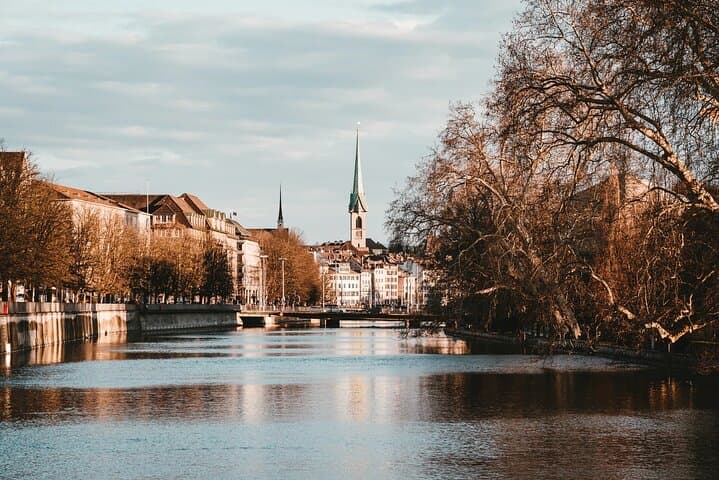
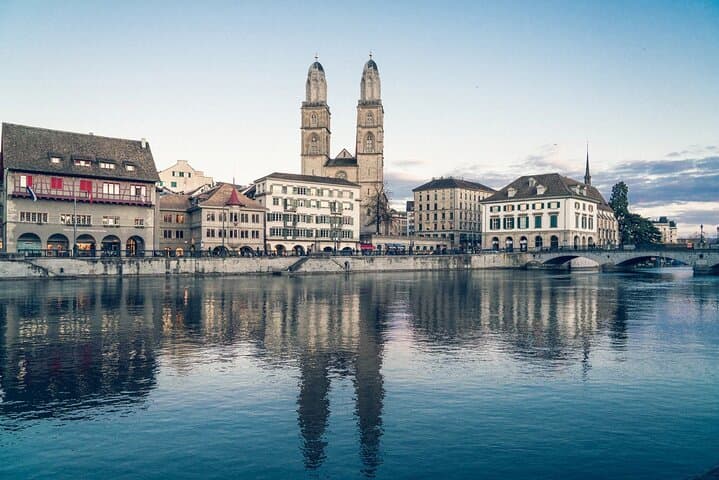
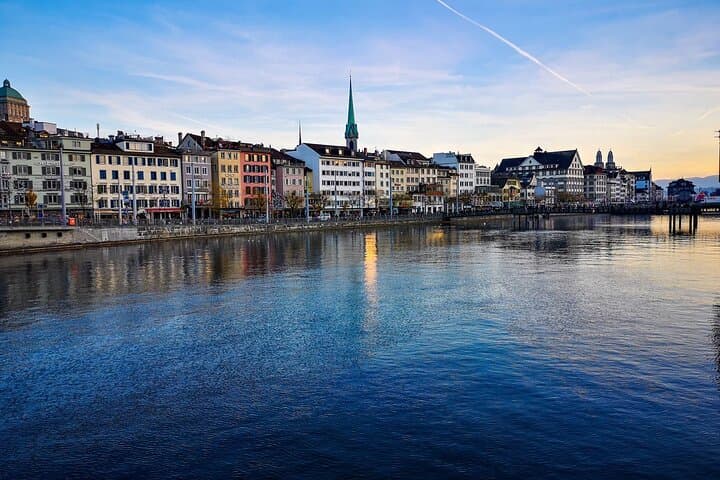
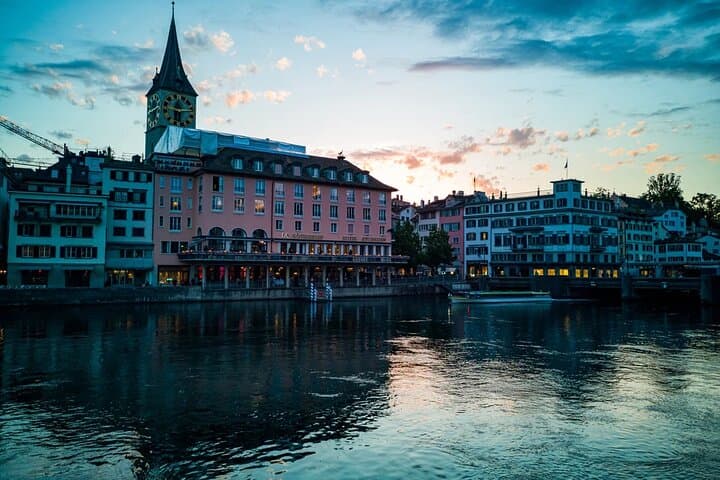
The van pulls away from Bahnhofstrasse and the city slips into a moving frame: glass storefronts give way to chestnut-lined promenades, then to the sudden thunder of Rhine Falls. You feel the current’s insistence from the roadside vantage—water pushing forward like a living wall—while the chauffeur waits and the city noise shrinks behind you.
The van pulls away from Bahnhofstrasse and the city slips into a moving frame: glass storefronts give way to chestnut-lined promenades, then to the sudden thunder of Rhine Falls. You feel the current’s insistence from the roadside vantage—water pushing forward like a living wall—while the chauffeur waits and the city noise shrinks behind you.
Zurich’s streets carry layers of history: a Roman trading post called Turicum grew into a medieval river town, later shaped by the Fraumünster convent and the merchant guilds of the medieval old town. Geologically the Rhine Falls mark where the High Rhine encounters resistant rock, producing the 150‑metre wide cascade that now draws visitors from across Europe. Cultural notes follow the route: Bahnhofstrasse’s 19th‑century urban remaking, Niederdorf’s narrow lanes where Lenin once lived, and Schloss Laufen’s terraces that frame the falls.
Practically, the itinerary is paced for photo stops and short walks—expect several 20–30 minute strolls and a longer window at the falls. The tour is private and air‑conditioned, useful in summer heat or sudden Swiss drizzle. Time management is the traveler’s tool: prioritize the falls and one city neighborhood (Niederdorf or Bahnhofstrasse) for wandering. Footwear should handle wet viewing platforms; layers matter because spray and lake breezes can cut through clothing. If you want to climb to the central rock at Rhine Falls, wear shoes with grip and be ready for steps and mist. Bring a power bank, a waterproof layer, and some cash for small purchases. The trip balances urban orientation with a clear, elemental encounter at one of Europe’s most powerful waterfalls.