THE ADVENTURE COLLECTIVE® · Independent discovery and booking for outdoor travel

Spend four private hours off Moorea with a dedicated crew searching for humpback whales, dolphins, turtles and rays. This respectful, guided experience focuses on observation and conservation during the July–November whale season.
Spend four private hours off Moorea with a dedicated crew searching for humpback whales, dolphins, turtles and rays. This respectful, guided experience focuses on observation and conservation during the July–November whale season.
The hull parts warm, turquoise water as the island slides away — jagged volcanic ridges drop into lagoon-blue depths while the motor eases and the ocean takes the lead. On a private half-day aboard Inutai, guides search those depths for humpback whales, letting the sea's presence set the pace.
Verified experiences and guided adventures in the surrounding area.
Operated by ULTRA REEF · Moorea, Society Islands
The hull parts warm, turquoise water as the island slides away — jagged volcanic ridges drop into lagoon-blue depths while the motor eases and the ocean takes the lead. On a private half-day aboard Inutai, guides search those depths for humpback whales, letting the sea's presence set the pace.
Moorea sits in the Society Islands, a geologic remnant of volcanic peaks worn sharp by erosion and ringed by coral reefs. The lagoon’s shallow shelves invite turtles and rays into the same clear water where migrating cetaceans surface between July and late November. Culturally, Polynesian communities have long read currents and whale song; modern regulations in French Polynesia now codify respectful distance and minimal disturbance to protect that heritage.
Expect scientific-minded, personable guides who balance close viewing with rules: commercial vessels maintain roughly 100 meters from whales and swimmers stay 30 meters away. Encounters are observational rather than intrusive — you’ll watch blows, breaches, and spyhops from the boat, with optional snorkeling in calmer reef zones to see turtles and reef fish.
Plan practical details: sunscreen that’s reef-safe, a camera with a zoom lens, seasickness meds if you’re sensitive, and a light wind layer for early mornings. Private charters allow tailored timing, snacks, and post-snorkel rinses on board. Listen to crew briefings, give whales space, and let the ocean decide the length of each sighting — the best encounters are patient and respectful, not forced.
easy.
4 hours.
Suitable for most fitness levels; requires basic mobility for boarding and brief swims or snorkeling.
Whale season runs roughly July through late November; mornings are usually calmer and improve viewing chances.
Yes — the experience is primarily boat-based observation; snorkeling is optional and not required to enjoy whale watching.
French Polynesian regulations and operator policy keep vessels about 100 meters from whales; swimmers must remain 30 meters away for safety and stress reduction.
Children are typically welcome but check operator guidelines for age limits and safety measures; life jackets are provided.
Moorea’s volcanic peaks are remnants of shield-building eruptions; Polynesian navigation tied island lagoons to fishing and cultural identity.
French Polynesia enforces protective distances and seasonal guidelines for whales; choose operators that follow these rules and minimize engine noise and disturbance.
ULTRA REEF operates guided outdoor trips and adventures with an emphasis on safety, stewardship, and memorable experiences.
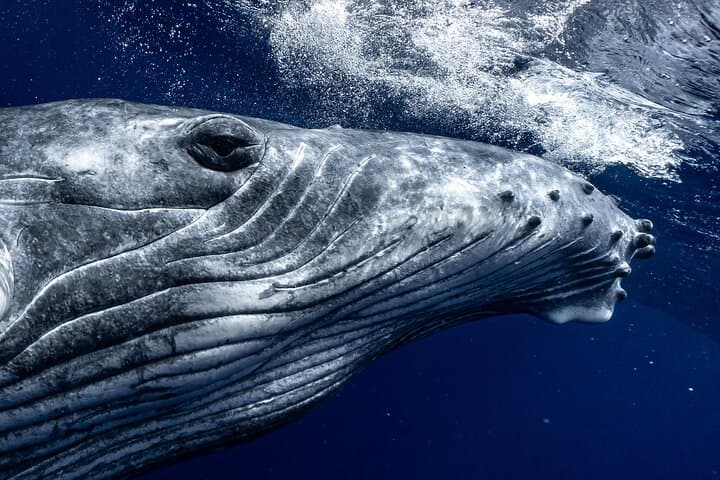
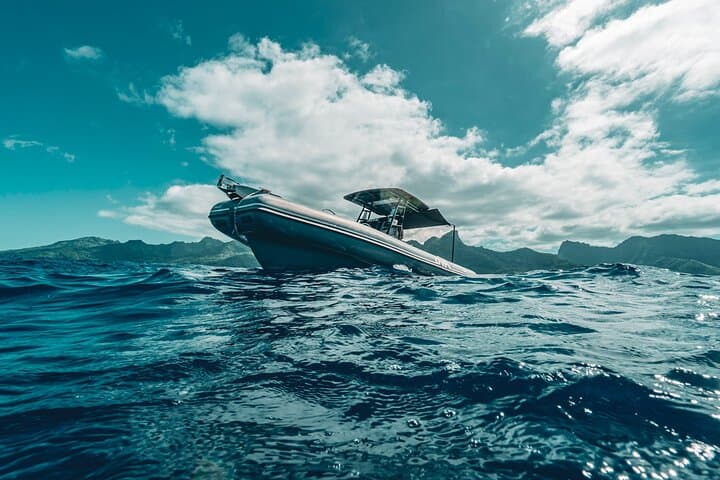
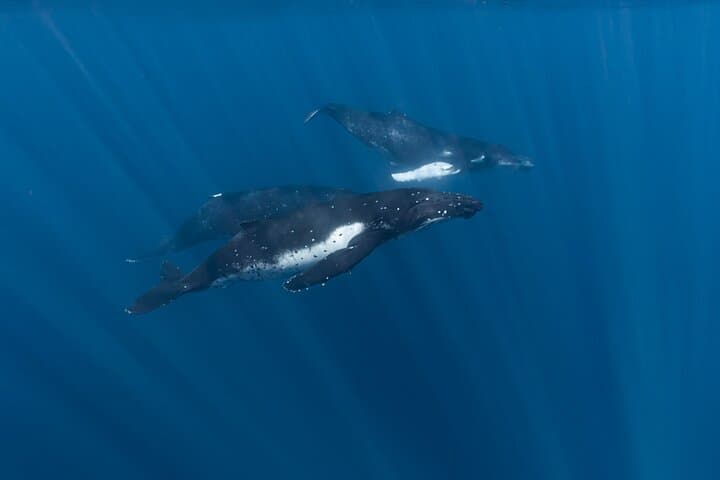
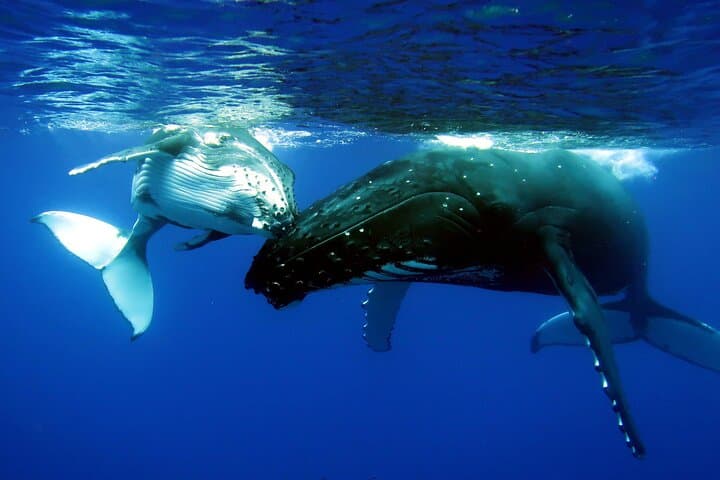
The hull parts warm, turquoise water as the island slides away — jagged volcanic ridges drop into lagoon-blue depths while the motor eases and the ocean takes the lead. On a private half-day aboard Inutai, guides search those depths for humpback whales, letting the sea's presence set the pace.
The hull parts warm, turquoise water as the island slides away — jagged volcanic ridges drop into lagoon-blue depths while the motor eases and the ocean takes the lead. On a private half-day aboard Inutai, guides search those depths for humpback whales, letting the sea's presence set the pace.
Moorea sits in the Society Islands, a geologic remnant of volcanic peaks worn sharp by erosion and ringed by coral reefs. The lagoon’s shallow shelves invite turtles and rays into the same clear water where migrating cetaceans surface between July and late November. Culturally, Polynesian communities have long read currents and whale song; modern regulations in French Polynesia now codify respectful distance and minimal disturbance to protect that heritage.
Expect scientific-minded, personable guides who balance close viewing with rules: commercial vessels maintain roughly 100 meters from whales and swimmers stay 30 meters away. Encounters are observational rather than intrusive — you’ll watch blows, breaches, and spyhops from the boat, with optional snorkeling in calmer reef zones to see turtles and reef fish.
Plan practical details: sunscreen that’s reef-safe, a camera with a zoom lens, seasickness meds if you’re sensitive, and a light wind layer for early mornings. Private charters allow tailored timing, snacks, and post-snorkel rinses on board. Listen to crew briefings, give whales space, and let the ocean decide the length of each sighting — the best encounters are patient and respectful, not forced.