THE ADVENTURE COLLECTIVE® · Independent discovery and booking for outdoor travel

Spend a focused half-day walking the National Mall with a private guide—see the White House, Lincoln Memorial, Vietnam Veterans Memorial and MLK Memorial while learning the history and context behind each site. This compact tour blends civic history with local insight and practical stops for photos.
Spend a focused half-day walking the National Mall with a private guide—see the White House, Lincoln Memorial, Vietnam Veterans Memorial and MLK Memorial while learning the history and context behind each site. This compact tour blends civic history with local insight and practical stops for photos.
A guide stands at Freedom Plaza as the city wakes: the sun cuts across Pennsylvania Avenue, casting crisp shadows on bronze flags while the Mall stretches south like a deliberate avenue of stone and grass. Participants move at a steady, conversational pace, stopping where the narrative and the monuments demand it — outside the White House, at the Washington Monument’s base, before the Lincoln Memorial’s broad stairs, and at quieter places of memory like the Vietnam Veterans and Martin Luther King Jr. memorials.
Verified experiences and guided adventures in the surrounding area.
Operated by Travel Curious · Washington, District of Columbia
A guide stands at Freedom Plaza as the city wakes: the sun cuts across Pennsylvania Avenue, casting crisp shadows on bronze flags while the Mall stretches south like a deliberate avenue of stone and grass. Participants move at a steady, conversational pace, stopping where the narrative and the monuments demand it — outside the White House, at the Washington Monument’s base, before the Lincoln Memorial’s broad stairs, and at quieter places of memory like the Vietnam Veterans and Martin Luther King Jr. memorials.
The Mall’s story is carved into marble and landscape design: federal ambition laid out in L’Enfant’s plan, 19th-century Beaux-Arts shaping, and the Potomac’s low-lying plain defining the setting. Geologically the area sits on the Atlantic Coastal Plain; the river’s slow work created the flats that allowed grand civic planning. Culturally this corridor is a stage — inaugurations, protests and quiet moments of reflection have all unfolded here.
Practical guidance follows the narrative. Expect mostly paved walking, roughly 3–4 miles of on-and-off stops over about three hours with intermittent stairs (Lincoln Memorial). Wear supportive shoes and bring water; summer sun is direct and winter wind can be sharp along the Reflecting Pool. Tours are private and guide-led, offering context and local anecdotes, plus time for photographs. Public transit and taxis are close to the start and finish. Visitors with mobility needs will find much of the route accessible, though some memorials require short inclines or steps. This tour is a compact, focused way to read Washington’s layered history without losing the rhythm of the city itself.
moderate.
2–3 hours.
Suitable for people with a moderate level of fitness who can walk 3–4 miles on paved surfaces and manage short stair sections.
Meet at the flagpoles in Freedom Plaza (1325 Pennsylvania Ave NW); the tour ends near the Martin Luther King Jr. Memorial close to public transport links.
Much of the route is wheelchair accessible, but a few memorials involve short inclines or steps—advise the operator of accessibility needs when booking.
This half-day walking tour focuses on outdoor memorials and viewpoints; museum admissions are generally not included but guides can recommend which to visit afterward.
Bring a smartphone or compact camera, a fully charged battery, and a small tripod if you need stable group shots; early light is best for reflections and façades.
The Mall follows Pierre L’Enfant’s 1791 plan and later Beaux-Arts refinements; its monuments chronicle civic ideals, wars and civil-rights movements.
Visitor wear on lawns and monuments drives ongoing maintenance programs; stay on paved paths where posted and use trash receptacles to protect the site.
Travel Curious operates guided outdoor trips and adventures with an emphasis on safety, stewardship, and memorable experiences.
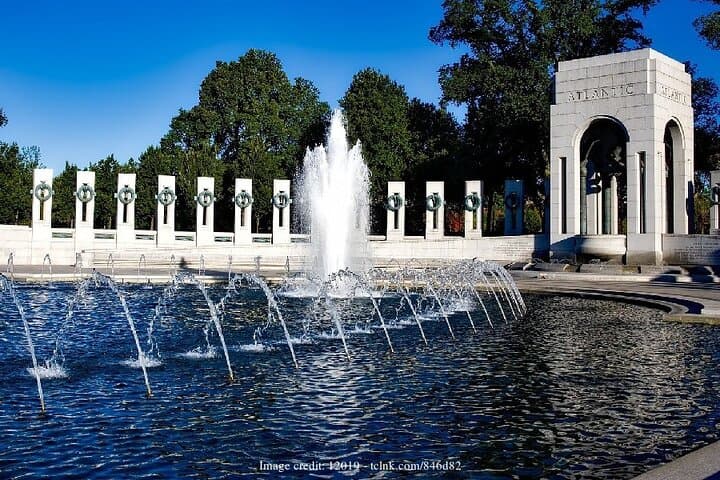
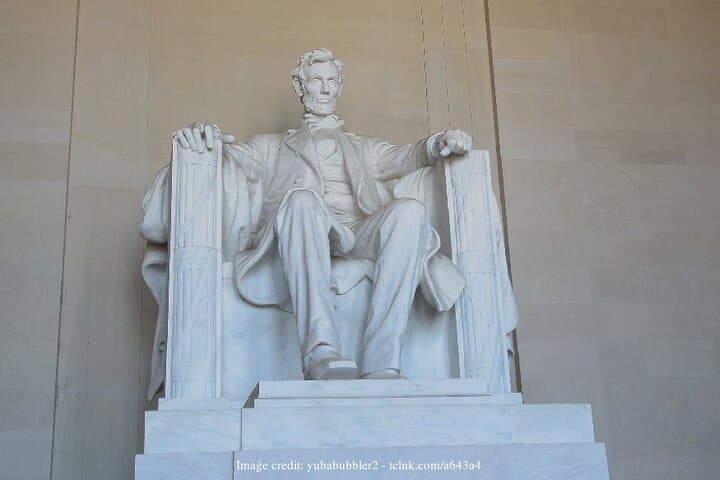
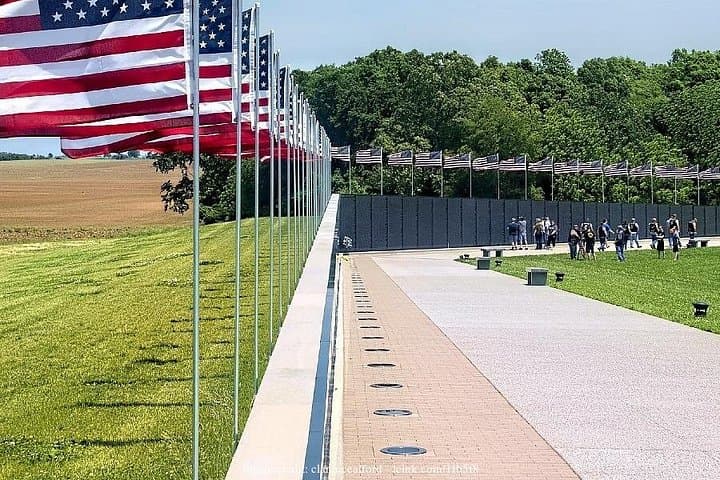
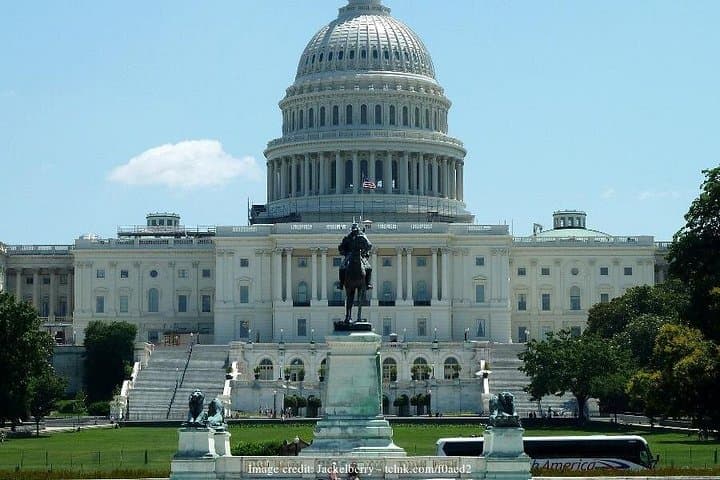
A guide stands at Freedom Plaza as the city wakes: the sun cuts across Pennsylvania Avenue, casting crisp shadows on bronze flags while the Mall stretches south like a deliberate avenue of stone and grass. Participants move at a steady, conversational pace, stopping where the narrative and the monuments demand it — outside the White House, at the Washington Monument’s base, before the Lincoln Memorial’s broad stairs, and at quieter places of memory like the Vietnam Veterans and Martin Luther King Jr. memorials.
A guide stands at Freedom Plaza as the city wakes: the sun cuts across Pennsylvania Avenue, casting crisp shadows on bronze flags while the Mall stretches south like a deliberate avenue of stone and grass. Participants move at a steady, conversational pace, stopping where the narrative and the monuments demand it — outside the White House, at the Washington Monument’s base, before the Lincoln Memorial’s broad stairs, and at quieter places of memory like the Vietnam Veterans and Martin Luther King Jr. memorials.
The Mall’s story is carved into marble and landscape design: federal ambition laid out in L’Enfant’s plan, 19th-century Beaux-Arts shaping, and the Potomac’s low-lying plain defining the setting. Geologically the area sits on the Atlantic Coastal Plain; the river’s slow work created the flats that allowed grand civic planning. Culturally this corridor is a stage — inaugurations, protests and quiet moments of reflection have all unfolded here.
Practical guidance follows the narrative. Expect mostly paved walking, roughly 3–4 miles of on-and-off stops over about three hours with intermittent stairs (Lincoln Memorial). Wear supportive shoes and bring water; summer sun is direct and winter wind can be sharp along the Reflecting Pool. Tours are private and guide-led, offering context and local anecdotes, plus time for photographs. Public transit and taxis are close to the start and finish. Visitors with mobility needs will find much of the route accessible, though some memorials require short inclines or steps. This tour is a compact, focused way to read Washington’s layered history without losing the rhythm of the city itself.