THE ADVENTURE COLLECTIVE® · Independent discovery and booking for outdoor travel

Explore two iconic Maya sites and cool off in a jungle cenote on a private half‑day tour. This guided experience combines Tulum’s coastal ruins, Coba’s inland pyramid, and a refreshing cenote swim with hotel pickup across the Riviera Maya.
Explore two iconic Maya sites and cool off in a jungle cenote on a private half‑day tour. This guided experience combines Tulum’s coastal ruins, Coba’s inland pyramid, and a refreshing cenote swim with hotel pickup across the Riviera Maya.
You step from the van into a sharp, warm light — wind from the Caribbean teasing salt off the palms as a certified guide opens the day’s map. First, the limestone cliffs of Tulum rise behind the shore, stone ruins watching over a turquoise sea; later the jungle swallows the road toward Coba’s broad plaza and the squat pyramid that still invites a climb. Between them a cenote waits, a concealed hole in the limestone that cools and clears the day.
Verified experiences and guided adventures in the surrounding area.
Operated by Contoy Excursions · Tulum, Quintana Roo
You step from the van into a sharp, warm light — wind from the Caribbean teasing salt off the palms as a certified guide opens the day’s map. First, the limestone cliffs of Tulum rise behind the shore, stone ruins watching over a turquoise sea; later the jungle swallows the road toward Coba’s broad plaza and the squat pyramid that still invites a climb. Between them a cenote waits, a concealed hole in the limestone that cools and clears the day.
These sites trace northern Maya trade routes and social centers: Tulum as a coastal port in Postclassic times, Coba as a large inland settlement linked by sacbeob (raised causeways). Geologically the region is porous karst — rainwater dissolves limestone over millennia to create caverns and the sinkholes that become cenotes, offering freshwater refuges and archaeological finds.
Culturally you’ll encounter local guides who explain how the Maya oriented settlements to wind and water; vendors near Tulum sell handicrafts and textiles rooted in Mayan patterns. Conservation efforts focus on protecting cenote water quality and limiting erosion at fragile ruins.
Practical guidance: expect about 4–8 hours including hotel pickup; wear sturdy walking shoes for uneven stone and soft-soled shoes for slippery cenote edges. Bring biodegradable sunscreen and a change of clothes for the swim. Mornings are cooler and less crowded; plan pickups from Playa del Carmen, Tulum, or nearby Riviera Maya hotels, and confirm which cenote is on the itinerary since options vary.
moderate.
4–8 hours.
Moderate fitness: walking on uneven stone, short hikes, and a swim; able-bodied travelers and families can participate.
Yes — the private tour typically includes entrance fees for the archaeological sites as noted in the itinerary.
Yes — hotel pickup and drop-off across Cancun, Playa del Carmen, Tulum, Cozumel (via port logistics) and the Riviera Maya are offered; confirm exact pickup time when booking.
Most popular cenotes on guided routes have basic facilities and changing areas, but amenities vary — bring a quick-dry towel and plan accordingly.
Yes — the tour is family-friendly; infants may ride in strollers or sit on laps during transit, but parents should supervise swimming and uneven paths.
Tulum functioned as a late Postclassic coastal trading port while Coba was a major inland center tied into a network of raised causeways connecting distant communities.
Visit with biodegradable products, avoid touching fragile structures, and follow guide instructions to reduce erosion and protect cenote water quality.
Contoy Excursions operates guided outdoor trips and adventures with an emphasis on safety, stewardship, and memorable experiences.
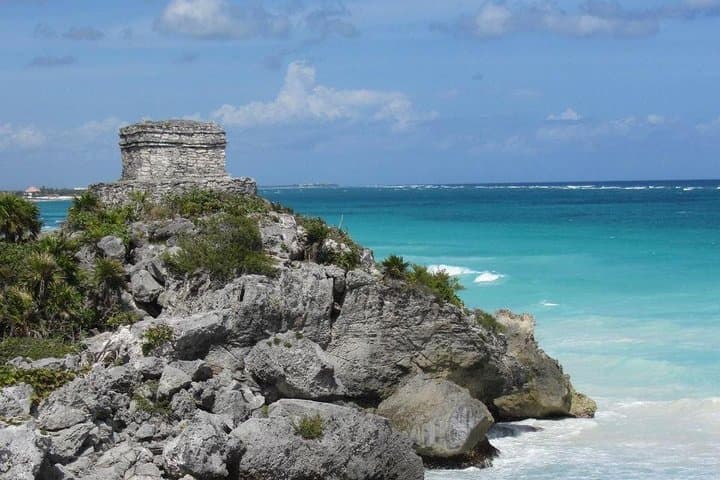
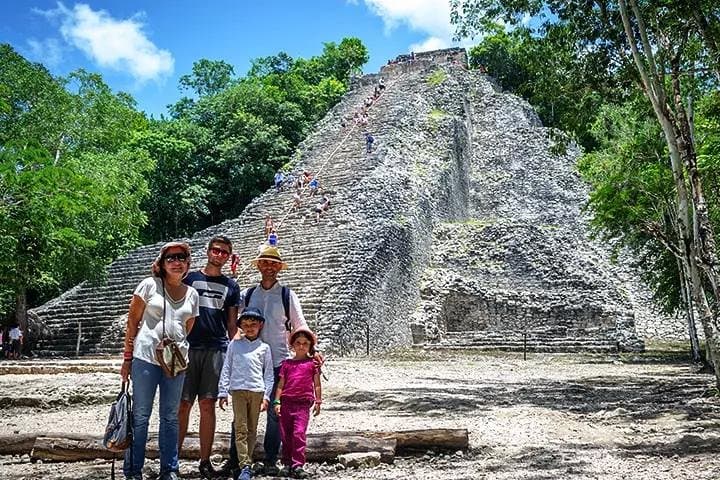
You step from the van into a sharp, warm light — wind from the Caribbean teasing salt off the palms as a certified guide opens the day’s map. First, the limestone cliffs of Tulum rise behind the shore, stone ruins watching over a turquoise sea; later the jungle swallows the road toward Coba’s broad plaza and the squat pyramid that still invites a climb. Between them a cenote waits, a concealed hole in the limestone that cools and clears the day.
You step from the van into a sharp, warm light — wind from the Caribbean teasing salt off the palms as a certified guide opens the day’s map. First, the limestone cliffs of Tulum rise behind the shore, stone ruins watching over a turquoise sea; later the jungle swallows the road toward Coba’s broad plaza and the squat pyramid that still invites a climb. Between them a cenote waits, a concealed hole in the limestone that cools and clears the day.
These sites trace northern Maya trade routes and social centers: Tulum as a coastal port in Postclassic times, Coba as a large inland settlement linked by sacbeob (raised causeways). Geologically the region is porous karst — rainwater dissolves limestone over millennia to create caverns and the sinkholes that become cenotes, offering freshwater refuges and archaeological finds.
Culturally you’ll encounter local guides who explain how the Maya oriented settlements to wind and water; vendors near Tulum sell handicrafts and textiles rooted in Mayan patterns. Conservation efforts focus on protecting cenote water quality and limiting erosion at fragile ruins.
Practical guidance: expect about 4–8 hours including hotel pickup; wear sturdy walking shoes for uneven stone and soft-soled shoes for slippery cenote edges. Bring biodegradable sunscreen and a change of clothes for the swim. Mornings are cooler and less crowded; plan pickups from Playa del Carmen, Tulum, or nearby Riviera Maya hotels, and confirm which cenote is on the itinerary since options vary.