THE ADVENTURE COLLECTIVE® · Independent discovery and booking for outdoor travel

Trade Prague’s boulevards for the silver‑rich lanes of Kutná Hora on a private half‑day tour. Visit the Bone Church, UNESCO cathedrals, and historic mining sites with pre‑booked admissions and a local guide.
Trade Prague’s boulevards for the silver‑rich lanes of Kutná Hora on a private half‑day tour. Visit the Bone Church, UNESCO cathedrals, and historic mining sites with pre‑booked admissions and a local guide.
You leave Prague’s stone avenues and drive east through the rolling fields of Bohemia, the van humming as towns thin and church spires appear on the horizon. Arriving in Kutná Hora, the town’s steep lanes and Gothic silhouettes pull you immediately into a medieval economy built on silver—mines once drove its wealth, and miners’ devotion shaped its churches.
Verified experiences and guided adventures in the surrounding area.
Operated by europe_with_zuzana · Kutná Hora, Central Bohemian Region
You leave Prague’s stone avenues and drive east through the rolling fields of Bohemia, the van humming as towns thin and church spires appear on the horizon. Arriving in Kutná Hora, the town’s steep lanes and Gothic silhouettes pull you immediately into a medieval economy built on silver—mines once drove its wealth, and miners’ devotion shaped its churches.
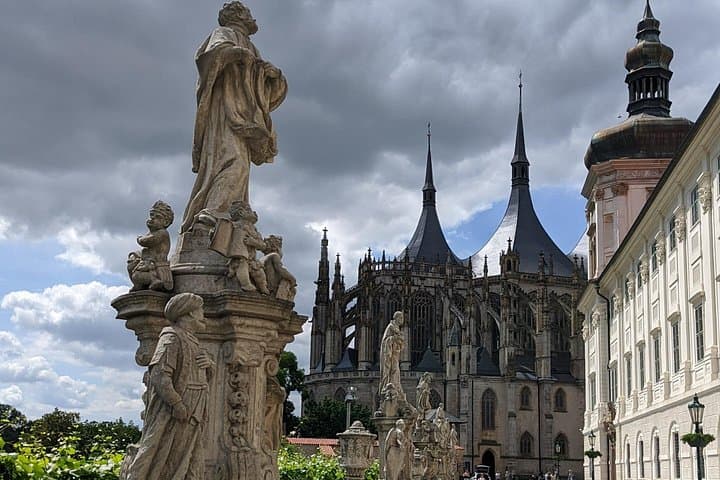
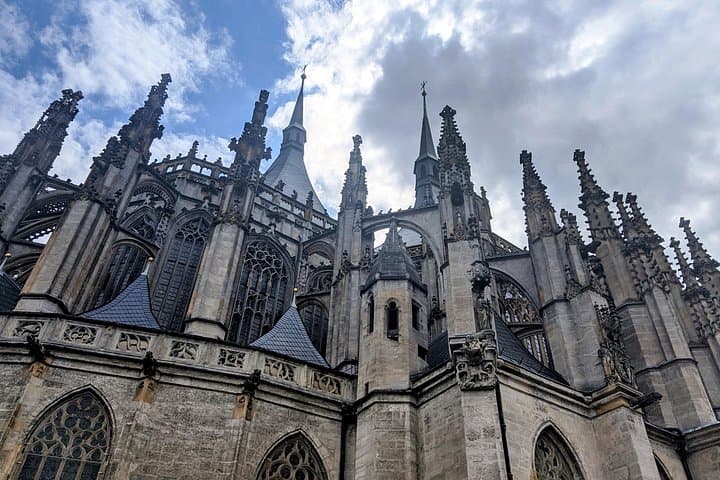
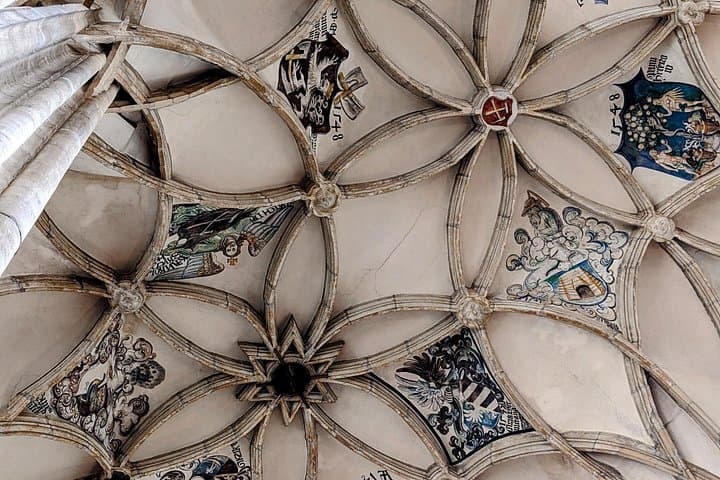
Kutná Hora’s bones are literal and architectural. The Sedlec Ossuary confronts visitors with an ornate interior made from human remains—an unsettling, precise display that dates to the medieval plague and later Baroque sensibilities. Nearby, the Cathedral of the Assumption at Sedlec and St. Barbara’s Cathedral rise from mining-era patronage: high vaults, flying buttresses and miner iconography that reflect 14th–16th century prosperity and the labor that created it.
Geology matters here: silver veins underwrote the town’s rise and left a landscape of altered springs and wooden waterworks, historically channeled to the Stone Fountain. Local culture still centers on craft, cafés, and the Museum of Silver in Hrádek, where mining tools meet archival records.
Practical guide: the private transfer is about 60–90 minutes each way depending on traffic; plan 6–7 hours total including a relaxed lunch. Tickets for the ossuary and cathedrals are pre-booked and included, but cobbled streets and stairs mean good footwear is essential. Bring a camera, modest clothing for churches, and a light jacket for unpredictable weather. Aim for a morning departure to avoid midday crowds and allow the guide time to move at your pace.
easy.
6–7 hours.
Suitable for most travelers; requires moderate walking on uneven cobbles and short stair climbs.
Yes—the tour includes pre‑purchased admission to the Sedlec Ossuary, the Cathedral of the Assumption at Sedlec and St. Barbara’s Cathedral.
Travel time is typically 60–90 minutes each way depending on traffic and pickup location in Prague.
The tour is family‑friendly but Kutná Hora has cobbled streets and steps; those with limited mobility may find some sites challenging—check with the operator about specific access options.
Lunch is not included; the itinerary includes a lunch break or free time to dine at local restaurants such as U Dačického.
Kutná Hora rose to prominence in the 13th–15th centuries as one of Europe’s richest silver mining centers, funding grand Gothic churches and royal mints.
Heavy visitor flow to fragile interiors and cobbled streets calls for responsible tourism—stay on paths, avoid flash photography where prohibited, and follow local guidance to protect historic fabric.
europe_with_zuzana operates guided outdoor trips and adventures with an emphasis on safety, stewardship, and memorable experiences.
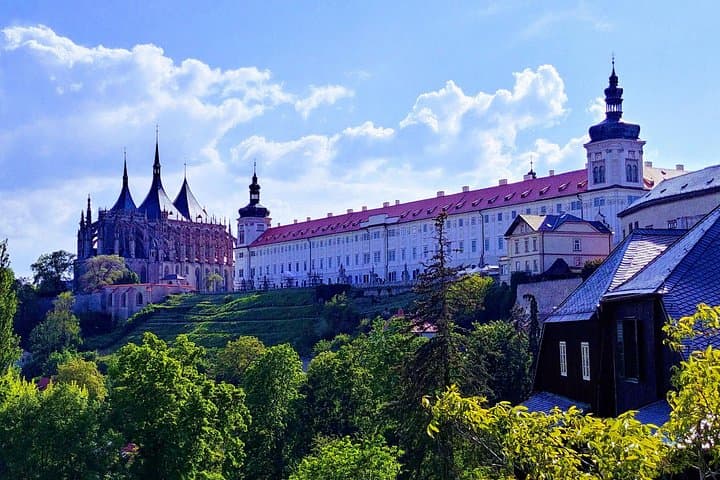
You leave Prague’s stone avenues and drive east through the rolling fields of Bohemia, the van humming as towns thin and church spires appear on the horizon. Arriving in Kutná Hora, the town’s steep lanes and Gothic silhouettes pull you immediately into a medieval economy built on silver—mines once drove its wealth, and miners’ devotion shaped its churches.
You leave Prague’s stone avenues and drive east through the rolling fields of Bohemia, the van humming as towns thin and church spires appear on the horizon. Arriving in Kutná Hora, the town’s steep lanes and Gothic silhouettes pull you immediately into a medieval economy built on silver—mines once drove its wealth, and miners’ devotion shaped its churches.
Kutná Hora’s bones are literal and architectural. The Sedlec Ossuary confronts visitors with an ornate interior made from human remains—an unsettling, precise display that dates to the medieval plague and later Baroque sensibilities. Nearby, the Cathedral of the Assumption at Sedlec and St. Barbara’s Cathedral rise from mining-era patronage: high vaults, flying buttresses and miner iconography that reflect 14th–16th century prosperity and the labor that created it.
Geology matters here: silver veins underwrote the town’s rise and left a landscape of altered springs and wooden waterworks, historically channeled to the Stone Fountain. Local culture still centers on craft, cafés, and the Museum of Silver in Hrádek, where mining tools meet archival records.
Practical guide: the private transfer is about 60–90 minutes each way depending on traffic; plan 6–7 hours total including a relaxed lunch. Tickets for the ossuary and cathedrals are pre-booked and included, but cobbled streets and stairs mean good footwear is essential. Bring a camera, modest clothing for churches, and a light jacket for unpredictable weather. Aim for a morning departure to avoid midday crowds and allow the guide time to move at your pace.