THE ADVENTURE COLLECTIVE® · Independent discovery and booking for outdoor travel

Drive northeast from Athens to the historic field where Persian and Greek forces met in 490 B.C., then walk the marble dam that once supplied the city. This private half-day tour balances concise history with easy lakeside scenery.
Drive northeast from Athens to the historic field where Persian and Greek forces met in 490 B.C., then walk the marble dam that once supplied the city. This private half-day tour balances concise history with easy lakeside scenery.
You arrive from Athens with the road opening into scrubby hills and a sudden expanse of water: the marble-faced Marathon Dam curving across its narrow valley, the lake’s surface daring you to slow down and take it in.
Verified experiences and guided adventures in the surrounding area.
Operated by Private Best Travel · Marathon, Attica
You arrive from Athens with the road opening into scrubby hills and a sudden expanse of water: the marble-faced Marathon Dam curving across its narrow valley, the lake’s surface daring you to slow down and take it in.
A morning here ties two stories together. First, the land remembers 490 B.C., when the Greek hoplites buried their dead beneath a tumulus that still marks the battlefield; you stand on soil that shaped Western military lore. Then the modern intervention — the 1929 marble dam — speaks to Athens’ 20th-century growth and the engineering that fed a city for decades.
Geology is plain and practical: limestone ridges give way to alluvial lowland around the reservoir, and the nearby coastal plain at Schinias shows sandy strands and pine groves that shelter migratory birds. Local culture mixes small-town Attica rhythms with athletic pilgrimage — the Marathon name draws runners and school groups tracing the original route.
Practically, this is a relaxed half-day outing: short walks at the tumulus and along the dam, a lakeside café stop, and easy driving through green landscapes back to the city. Wear sturdy walking shoes for uneven tumulus paths, sun protection for exposed stretches, and bring water — Mediterranean sun can be intense.
Timing matters: mornings and late afternoons are cooler and quieter. Expect interpretation from a driver-guide (unable to enter museums under Greek law), clear roads, and family-friendly access that can accommodate strollers and wheelchairs if arranged in advance.
easy.
4 hours.
Suitable for most fitness levels; involves short, easy walks and minimal elevation change
Admission is typically not required for the outdoor tumulus site; museum entry or special exhibits are not included in this tour.
By Greek law the driver provides narration but is not authorized to enter museums as a licensed guide; arrange a licensed guide separately if museum access is required.
Yes — vehicles and transfers can be made wheelchair accessible if requested in advance; notify at booking.
About 30–40 km (19–25 miles) northeast of central Athens, roughly a 40–60 minute drive depending on traffic.
Marathon is known for the 490 B.C. battle where Greek forces defeated the Persians; the modern marble dam was completed in 1929 and supplied Athens with water until the late 1950s.
The nearby Schinias wetland is protected for migratory birds; visitors should stick to paths and avoid disturbing nesting areas to minimize impact.
Private Best Travel operates guided outdoor trips and adventures with an emphasis on safety, stewardship, and memorable experiences.
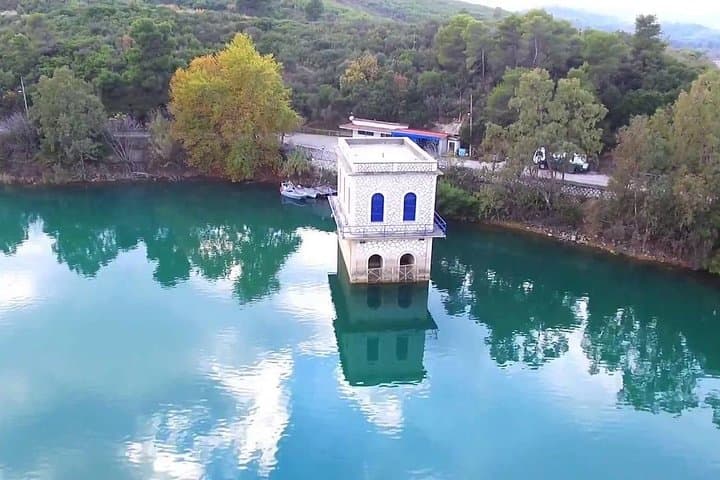
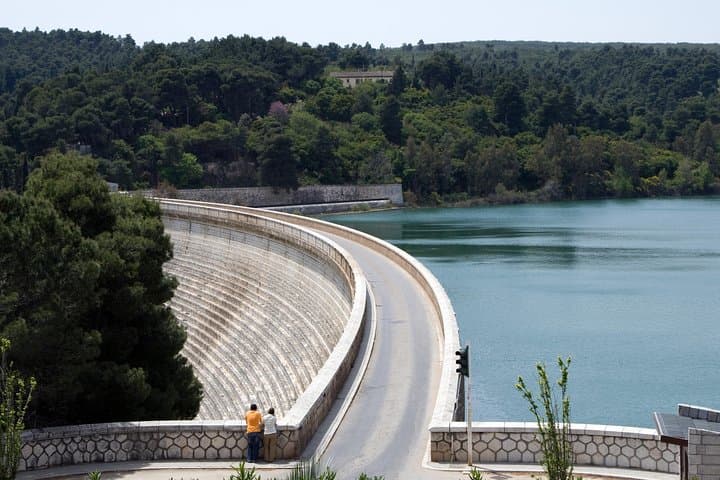

You arrive from Athens with the road opening into scrubby hills and a sudden expanse of water: the marble-faced Marathon Dam curving across its narrow valley, the lake’s surface daring you to slow down and take it in.
You arrive from Athens with the road opening into scrubby hills and a sudden expanse of water: the marble-faced Marathon Dam curving across its narrow valley, the lake’s surface daring you to slow down and take it in.
A morning here ties two stories together. First, the land remembers 490 B.C., when the Greek hoplites buried their dead beneath a tumulus that still marks the battlefield; you stand on soil that shaped Western military lore. Then the modern intervention — the 1929 marble dam — speaks to Athens’ 20th-century growth and the engineering that fed a city for decades.
Geology is plain and practical: limestone ridges give way to alluvial lowland around the reservoir, and the nearby coastal plain at Schinias shows sandy strands and pine groves that shelter migratory birds. Local culture mixes small-town Attica rhythms with athletic pilgrimage — the Marathon name draws runners and school groups tracing the original route.
Practically, this is a relaxed half-day outing: short walks at the tumulus and along the dam, a lakeside café stop, and easy driving through green landscapes back to the city. Wear sturdy walking shoes for uneven tumulus paths, sun protection for exposed stretches, and bring water — Mediterranean sun can be intense.
Timing matters: mornings and late afternoons are cooler and quieter. Expect interpretation from a driver-guide (unable to enter museums under Greek law), clear roads, and family-friendly access that can accommodate strollers and wheelchairs if arranged in advance.