THE ADVENTURE COLLECTIVE® · Independent discovery and booking for outdoor travel

Stand on the Giza Plateau and watch 4,500 years of history unfold across sun‑baked stone. This private half‑day tour covers the Great Pyramid, Khafre and Menkaure, the Sphinx, and an optional camel ride—ideal for travelers who want context, convenience, and a focused encounter with one of the world’s oldest archaeological sites.
Stand on the Giza Plateau and watch 4,500 years of history unfold across sun‑baked stone. This private half‑day tour covers the Great Pyramid, Khafre and Menkaure, the Sphinx, and an optional camel ride—ideal for travelers who want context, convenience, and a focused encounter with one of the world’s oldest archaeological sites.
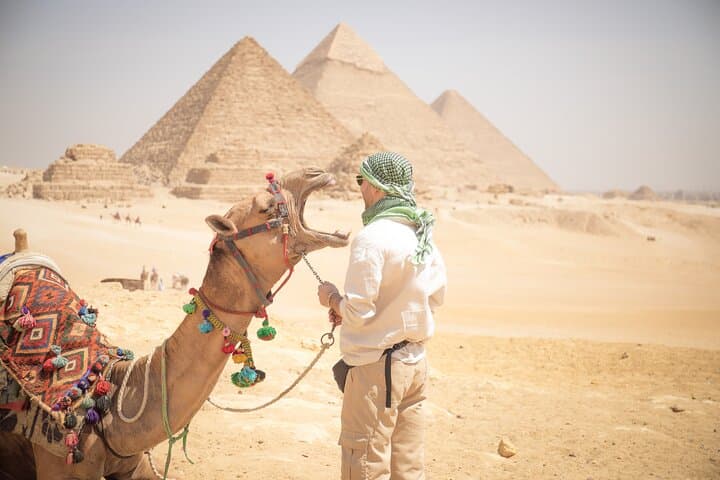
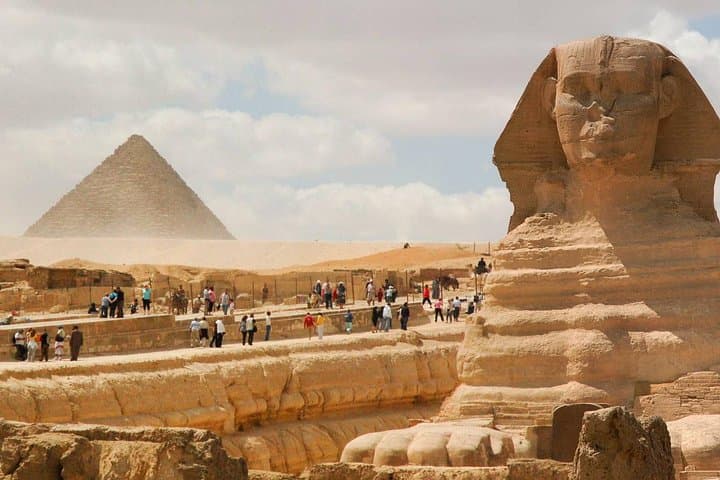
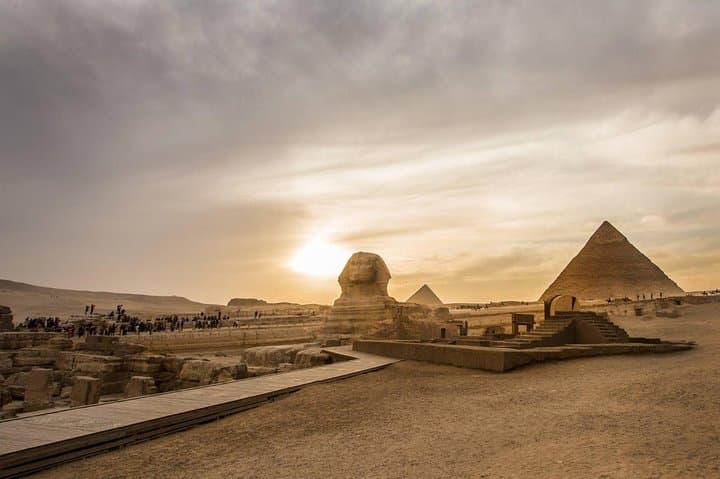
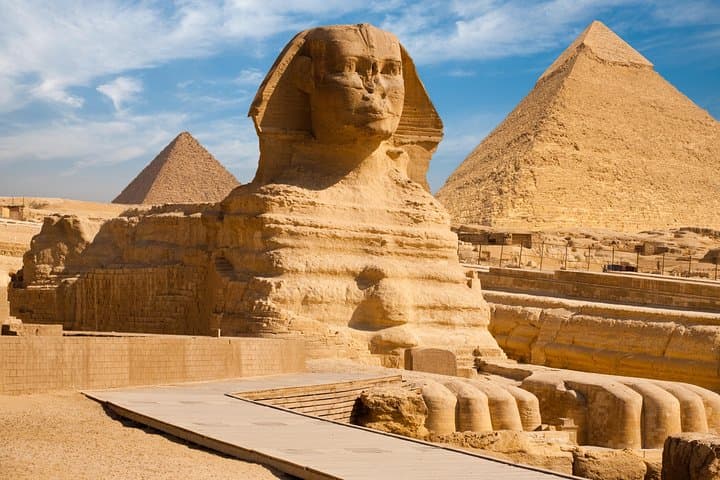
You step from the air‑conditioned vehicle onto a low wind that pushes sand across the plateau; three geometric giants rearrange the skyline and the Sphinx watches you measure them with a long, silent stare.
Verified experiences and guided adventures in the surrounding area.
Operated by EMO TOURS EGYPT · Giza, Giza Governorate
You step from the air‑conditioned vehicle onto a low wind that pushes sand across the plateau; three geometric giants rearrange the skyline and the Sphinx watches you measure them with a long, silent stare.
The Giza Plateau has been a landscape of power and ritual for more than 4,500 years. The Great Pyramid of Khufu (Cheops) is a masonry achievement in limestone and granite that once rose with a polished casing; Khafre’s pyramid keeps the plateau’s optical balance, and Menkaure’s smaller stones close the line. Beneath the stone lies geology: layers of Eocene limestone sculpted by wind and salt, giving the monuments their pale, sunburned color.
Local culture threads through the visit: guides translate hieroglyphs of funerary rites, vendors offer papyrus prints, and camel handlers negotiate photo stops that are as much social choreography as tourist service. The Solar Boat Museum and a quiet panoramic terrace give context to the monuments — one preserves a cedar ship once intended to ferry a king in the afterlife; the other lets you read the pyramids’ scale against the Nile plain.
Practical guidance: plan for early morning or late afternoon to avoid heat and crowds, carry a refillable water bottle, and wear closed-toe shoes for rocky surfaces. If you choose interior entry, expect tight passages and separate tickets; camel rides are optional and should be booked through your guide to ensure animal welfare and clear pricing. Stay on designated paths, follow your guide’s instructions, and leave time to simply stand and take in the geometry of a civilization that planned for eternity.
easy.
4 hours.
Minimal fitness required—walking on uneven, sandy or rocky surfaces; some short climbs for viewpoints.
Basic area entry is typically included, but interior access to the Great Pyramid and some sites like the Solar Boat Museum require separate tickets or upgrade options.
Camel rides are common and generally safe when organized through the operator; infant seats are noted as available but check age and weight limits beforehand.
Yes, interior visits are possible with an additional ticket; the passageways are narrow and steep, so it’s not recommended for those with claustrophobia or spinal issues.
Private tours usually offer pickup from hotels in Cairo or Giza, arranged during booking—confirm your pickup point and timing with the operator.
The three main pyramids were built during Egypt’s Fourth Dynasty (c. 2580–2510 BCE) as monumental royal tombs tied to elaborate funerary beliefs about afterlife journeys.
Visitor foot traffic, wind erosion and past restoration methods have stressed the site; stick to marked paths, avoid touching fragile stone, and support licensed guides and operators who follow site rules.
EMO TOURS EGYPT operates guided outdoor trips and adventures with an emphasis on safety, stewardship, and memorable experiences.
You step from the air‑conditioned vehicle onto a low wind that pushes sand across the plateau; three geometric giants rearrange the skyline and the Sphinx watches you measure them with a long, silent stare.
You step from the air‑conditioned vehicle onto a low wind that pushes sand across the plateau; three geometric giants rearrange the skyline and the Sphinx watches you measure them with a long, silent stare.
The Giza Plateau has been a landscape of power and ritual for more than 4,500 years. The Great Pyramid of Khufu (Cheops) is a masonry achievement in limestone and granite that once rose with a polished casing; Khafre’s pyramid keeps the plateau’s optical balance, and Menkaure’s smaller stones close the line. Beneath the stone lies geology: layers of Eocene limestone sculpted by wind and salt, giving the monuments their pale, sunburned color.
Local culture threads through the visit: guides translate hieroglyphs of funerary rites, vendors offer papyrus prints, and camel handlers negotiate photo stops that are as much social choreography as tourist service. The Solar Boat Museum and a quiet panoramic terrace give context to the monuments — one preserves a cedar ship once intended to ferry a king in the afterlife; the other lets you read the pyramids’ scale against the Nile plain.
Practical guidance: plan for early morning or late afternoon to avoid heat and crowds, carry a refillable water bottle, and wear closed-toe shoes for rocky surfaces. If you choose interior entry, expect tight passages and separate tickets; camel rides are optional and should be booked through your guide to ensure animal welfare and clear pricing. Stay on designated paths, follow your guide’s instructions, and leave time to simply stand and take in the geometry of a civilization that planned for eternity.