THE ADVENTURE COLLECTIVE® · Independent discovery and booking for outdoor travel

A focused half-day that puts the Great Pyramid, Khafre, Menkaure and the Sphinx within reach—guided interpretation, private transfers, and options to explore inside the monuments. Perfect for travelers who want efficient, contextual time on the Giza plateau.
A focused half-day that puts the Great Pyramid, Khafre, Menkaure and the Sphinx within reach—guided interpretation, private transfers, and options to explore inside the monuments. Perfect for travelers who want efficient, contextual time on the Giza plateau.
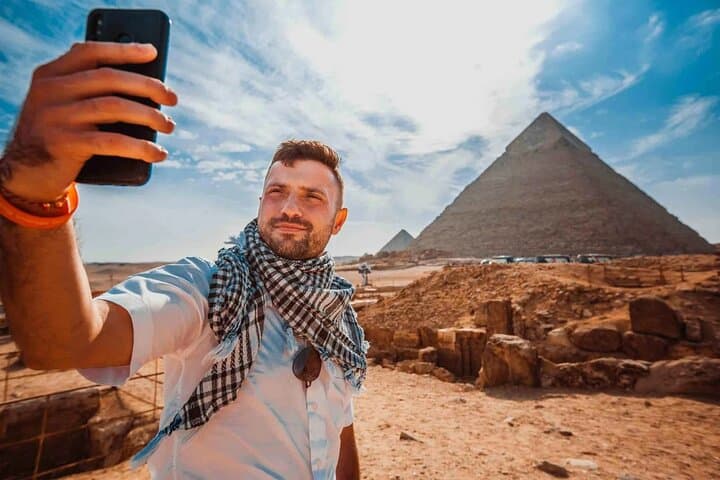
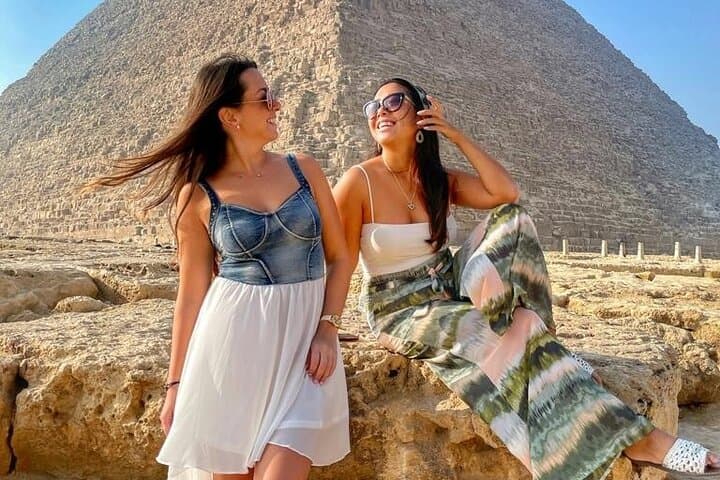
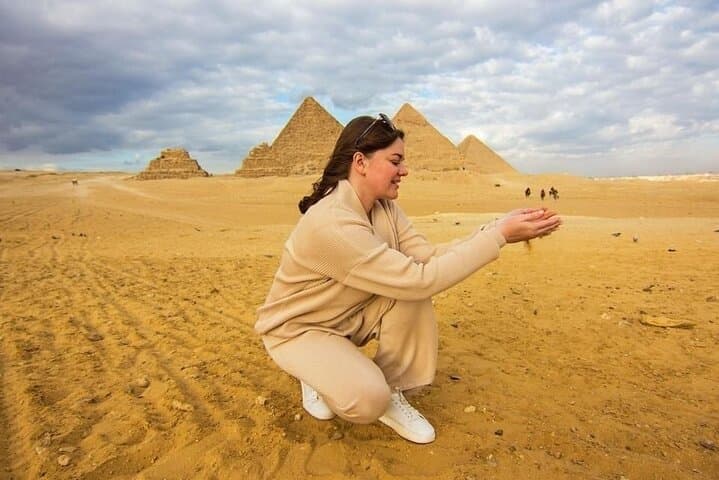
You step out of an air-conditioned vehicle into sun-baked open space where stone giants command the skyline. The wind across the plateau pushes sand in slow ribbons and the outline of the Great Pyramid looms, precise and unmoving. A guide with measured confidence points out carving lines and architectural quirks; the Sphinx sits a short walk away, its gaze fixed toward the eastern horizon.
Verified experiences and guided adventures in the surrounding area.
Operated by tripco · Giza, Giza Governorate
You step out of an air-conditioned vehicle into sun-baked open space where stone giants command the skyline. The wind across the plateau pushes sand in slow ribbons and the outline of the Great Pyramid looms, precise and unmoving. A guide with measured confidence points out carving lines and architectural quirks; the Sphinx sits a short walk away, its gaze fixed toward the eastern horizon.
The Giza plateau records nearly 4,500 years of human ambition. Built from local limestone quarried from nearby ridges and set on bedrock laid down by the ancient Nile, these monuments reflect funerary practices, celestial alignment, and the centralized labor of Old Kingdom Egypt. The Valley Temple’s dressed stone and ritual chambers hint at mummification rites once practiced nearby.
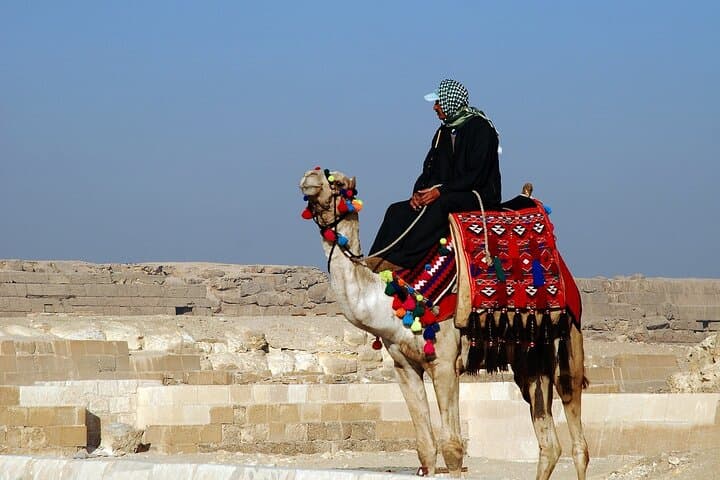
Expect broad open plains of grit and compacted sand underfoot, short paved stretches near visitor areas, and steep stone faces on the pyramids themselves. The site hums with commerce—camel handlers, photo stalls—and with layers of modern Cairo brushing the edges of ancient space.
Practical pointers: visit early to avoid peak heat and tour-bus surges; carry sunscreen, a brimmed hat, and water; wear stable walking shoes for uneven ground; budget for optional entry tickets if you want to enter a pyramid or ride a camel. Photography is excellent from Panorama Point for full-framed shots of the three main pyramids. Follow your guide’s directions near restricted zones and be prepared for brief security checks. This half-day tour compresses essential context and sweeping views into a concentrated, manageable experience—ideal for travelers short on time but hungry for history.
easy.
3–4 hours.
Minimal fitness required—mostly walking on flat or slightly uneven ground; be steady on loose sand and stone
This private half-day tour runs about 3–4 hours and visits the Great Pyramid (exterior), Khafre and Menkaure pyramids, the Sphinx, Panorama Point, and the Valley Temple; optional paid tickets provide pyramid interior access.
Standard fees are optional; the tour often includes transfers and guiding, while entries to certain monuments (like inside a pyramid) are chosen and paid for separately.
The tour is suitable for most ages, but uneven surfaces and steps can limit access; check specific wheelchair-accessible areas and inform the operator in advance.
Yes—camel rides and local lunches are commonly available as paid add-ons that can be arranged during booking or on-site through your guide.
Giza’s monumental core was constructed during Egypt’s Fourth Dynasty; the plateau functioned as a funerary landscape connected to the Nile’s resources and labor organization.
Visitor pressure and souvenir trade stress fragile surfaces—stay on paths, avoid touching carved stones, and support guides who follow official site rules.
tripco operates guided outdoor trips and adventures with an emphasis on safety, stewardship, and memorable experiences.
You step out of an air-conditioned vehicle into sun-baked open space where stone giants command the skyline. The wind across the plateau pushes sand in slow ribbons and the outline of the Great Pyramid looms, precise and unmoving. A guide with measured confidence points out carving lines and architectural quirks; the Sphinx sits a short walk away, its gaze fixed toward the eastern horizon.
You step out of an air-conditioned vehicle into sun-baked open space where stone giants command the skyline. The wind across the plateau pushes sand in slow ribbons and the outline of the Great Pyramid looms, precise and unmoving. A guide with measured confidence points out carving lines and architectural quirks; the Sphinx sits a short walk away, its gaze fixed toward the eastern horizon.
The Giza plateau records nearly 4,500 years of human ambition. Built from local limestone quarried from nearby ridges and set on bedrock laid down by the ancient Nile, these monuments reflect funerary practices, celestial alignment, and the centralized labor of Old Kingdom Egypt. The Valley Temple’s dressed stone and ritual chambers hint at mummification rites once practiced nearby.
Expect broad open plains of grit and compacted sand underfoot, short paved stretches near visitor areas, and steep stone faces on the pyramids themselves. The site hums with commerce—camel handlers, photo stalls—and with layers of modern Cairo brushing the edges of ancient space.
Practical pointers: visit early to avoid peak heat and tour-bus surges; carry sunscreen, a brimmed hat, and water; wear stable walking shoes for uneven ground; budget for optional entry tickets if you want to enter a pyramid or ride a camel. Photography is excellent from Panorama Point for full-framed shots of the three main pyramids. Follow your guide’s directions near restricted zones and be prepared for brief security checks. This half-day tour compresses essential context and sweeping views into a concentrated, manageable experience—ideal for travelers short on time but hungry for history.