THE ADVENTURE COLLECTIVE® · Independent discovery and booking for outdoor travel

See two of Italy’s most famous archaeological sites in one private half-day: Pompeii’s public life and Herculaneum’s intimate preservation. Expert guide, skip-the-line access, and a short transfer link the sites for a concentrated archaeology experience.
See two of Italy’s most famous archaeological sites in one private half-day: Pompeii’s public life and Herculaneum’s intimate preservation. Expert guide, skip-the-line access, and a short transfer link the sites for a concentrated archaeology experience.
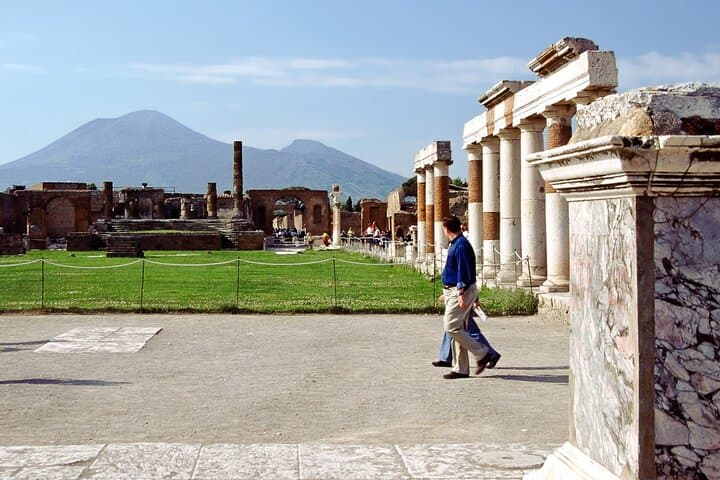
Step through a gate and the air changes: sun on crumbling frescoes, narrow Roman alleys underfoot, and Vesuvius watching from the skyline as if still keeping time.
Verified experiences and guided adventures in the surrounding area.
Operated by LivTours · Pompeii, Campania
Step through a gate and the air changes: sun on crumbling frescoes, narrow Roman alleys underfoot, and Vesuvius watching from the skyline as if still keeping time.
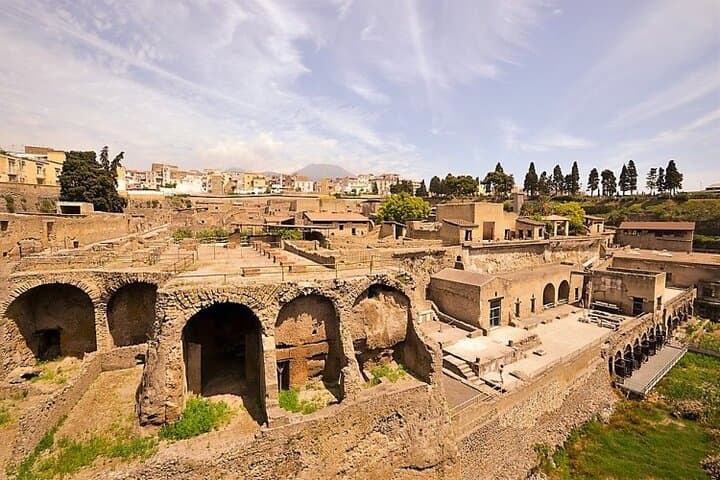
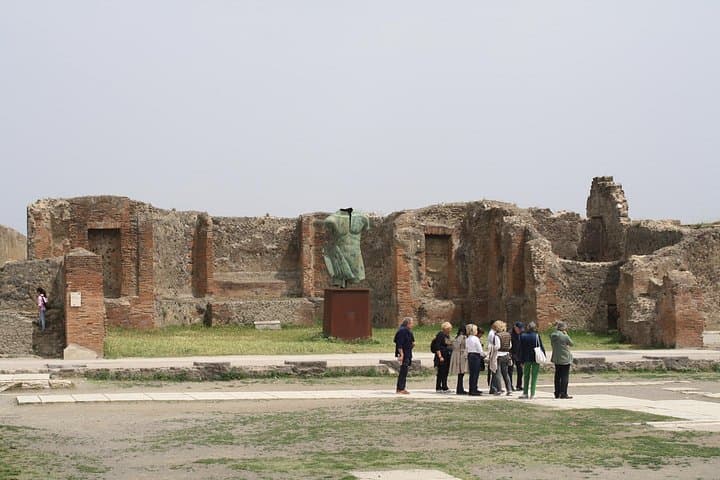
This private, half-day excursion moves fast but deliberately — two hours in Pompeii followed by two hours in Herculaneum — guided by an expert who stitches together the day of 79 A.D., urban life, and the volcanic forces that froze both towns. Pompeii exposes public life: the forum, basilica, bakeries and shops where commerce pulsed. A short transfer to Herculaneum reveals a different preservation logic: heavier pyroclastic flows conserved woodwork, beds and mosaics, offering an intimate look at domestic interiors.
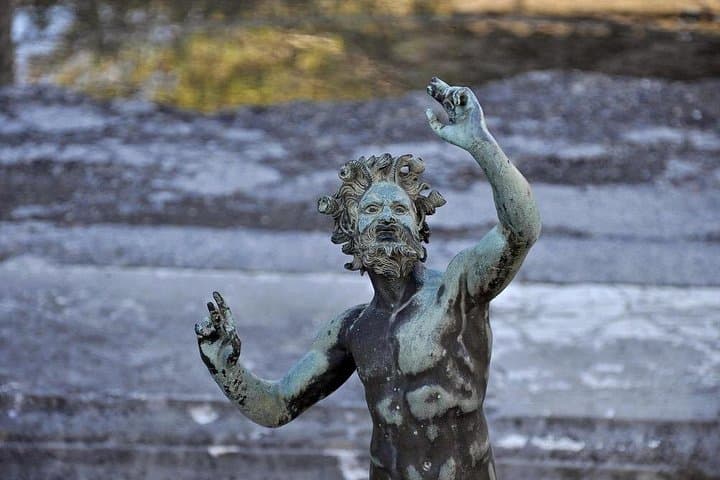
Geology and history are inseparable here. Mt. Vesuvius’s eruption buried streets in ash and mud, preserving plans of Roman urbanism and engineering — from lead-lined waterworks to sophisticated drainage. Culturally, both towns reflect Roman trade networks and provincial tastes, visible in mosaics, graffiti and the layouts of houses and baths.
Practical note: this is a walking tour over uneven ancient stone, sun-exposed plazas and occasional steep steps. Wear grippy shoes, carry water and sun protection, and plan arrival in the morning to avoid peak heat. Respect barriers and photography rules; these sites are archaeologically sensitive. The private guide, skip-the-line access and short transfer make it possible to see both sites in comfort, but the pace is brisk — bring focused curiosity and a spare hour afterward if you want to linger on a favorite ruin.
easy.
4 hours.
Suitable for most fitness levels but requires standing and walking on uneven stone for several hours
The private tour is approximately four hours total: about two hours in Pompeii, a short transfer, then roughly two hours in Herculaneum; timing can be adjusted with your guide.
The sites have uneven terrain and stone steps; while the tour is rated easy, some areas are not wheelchair accessible — contact the operator for specific accessibility options.
Yes — skip-the-line entrance to both archaeological sites and the transfer from Pompeii to Herculaneum are included in this private tour.
The tour provides a local professional guide and can address special requests made at booking; inquire about language needs in advance to ensure availability.
Both towns were buried in the AD 79 eruption of Mt. Vesuvius; Herculaneum’s burial by pyroclastic flows preserved wooden structures rarely seen elsewhere.
Both sites are fragile and managed by archaeological authorities; stay on designated paths and avoid touching frescoes or mosaics to minimize wear.
LivTours operates guided outdoor trips and adventures with an emphasis on safety, stewardship, and memorable experiences.
Step through a gate and the air changes: sun on crumbling frescoes, narrow Roman alleys underfoot, and Vesuvius watching from the skyline as if still keeping time.
Step through a gate and the air changes: sun on crumbling frescoes, narrow Roman alleys underfoot, and Vesuvius watching from the skyline as if still keeping time.
This private, half-day excursion moves fast but deliberately — two hours in Pompeii followed by two hours in Herculaneum — guided by an expert who stitches together the day of 79 A.D., urban life, and the volcanic forces that froze both towns. Pompeii exposes public life: the forum, basilica, bakeries and shops where commerce pulsed. A short transfer to Herculaneum reveals a different preservation logic: heavier pyroclastic flows conserved woodwork, beds and mosaics, offering an intimate look at domestic interiors.
Geology and history are inseparable here. Mt. Vesuvius’s eruption buried streets in ash and mud, preserving plans of Roman urbanism and engineering — from lead-lined waterworks to sophisticated drainage. Culturally, both towns reflect Roman trade networks and provincial tastes, visible in mosaics, graffiti and the layouts of houses and baths.
Practical note: this is a walking tour over uneven ancient stone, sun-exposed plazas and occasional steep steps. Wear grippy shoes, carry water and sun protection, and plan arrival in the morning to avoid peak heat. Respect barriers and photography rules; these sites are archaeologically sensitive. The private guide, skip-the-line access and short transfer make it possible to see both sites in comfort, but the pace is brisk — bring focused curiosity and a spare hour afterward if you want to linger on a favorite ruin.