THE ADVENTURE COLLECTIVE® · Independent discovery and booking for outdoor travel

Explore Patan Durbar Square on a private half-day walking tour led by an English-speaking guide. See Krishna Mandir, Patan Museum courtyards, and active artisan workshops while learning about Newar craft, history, and temple etiquette.
Explore Patan Durbar Square on a private half-day walking tour led by an English-speaking guide. See Krishna Mandir, Patan Museum courtyards, and active artisan workshops while learning about Newar craft, history, and temple etiquette.
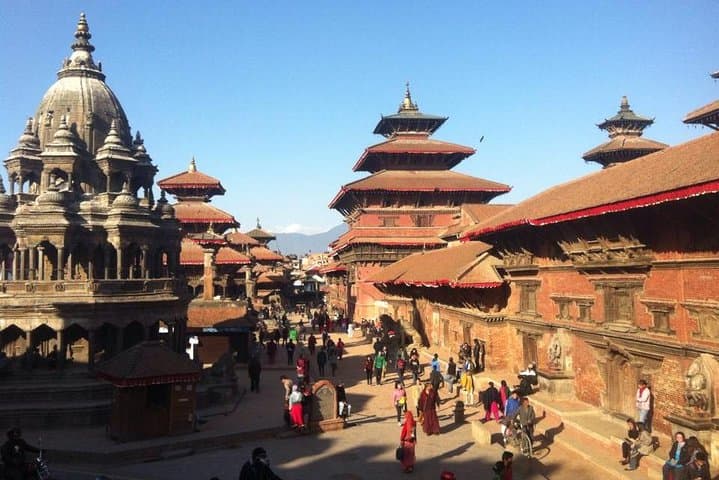
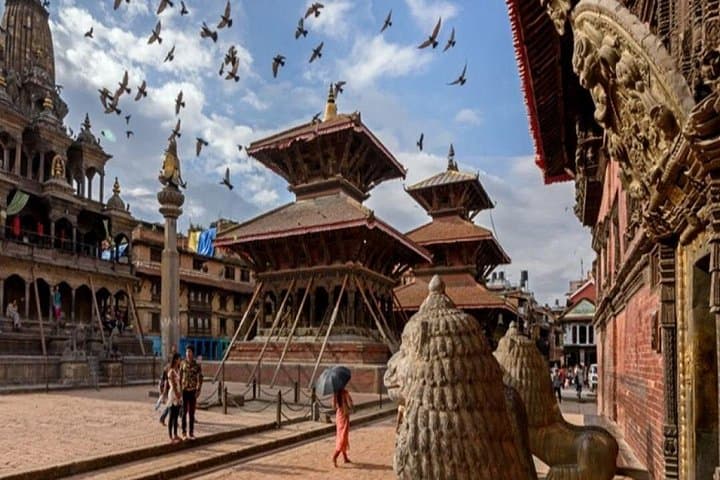
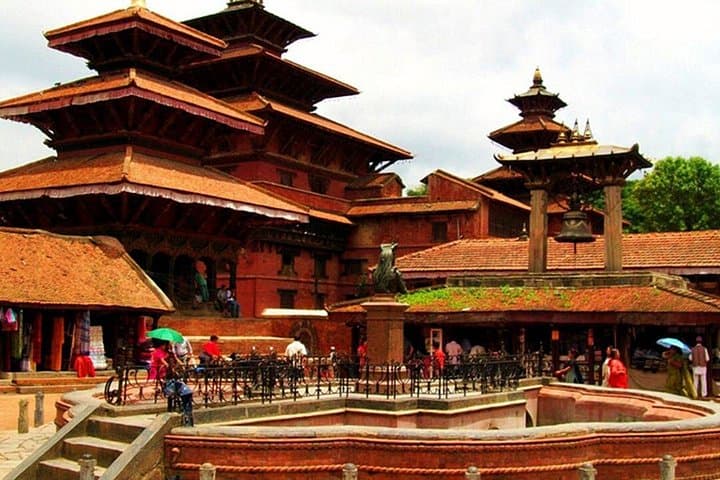
Morning light slices between carved wooden windows as you step from a quiet lane into Patan Durbar Square — a compact court of stone, stepped shrines, and centuries of public life. The square’s courtyards pull visitors close to intricate Newar woodwork, tiered pagodas, and the compact, gilded face of Hiranya Varna Mahavihar.
Verified experiences and guided adventures in the surrounding area.
Operated by Pigeon Travel And Tours Pvt Ltd · Lalitpur (Patan), Bagmati Province
Morning light slices between carved wooden windows as you step from a quiet lane into Patan Durbar Square — a compact court of stone, stepped shrines, and centuries of public life. The square’s courtyards pull visitors close to intricate Newar woodwork, tiered pagodas, and the compact, gilded face of Hiranya Varna Mahavihar.
Patan (Lalitpur) has been a center of Newar arts for over a millennium; local rulers and artisans shaped the plaza’s collection of palaces and temples from the 3rd century onward. The surrounding geology — soft valley sediment uplifted by Himalayan tectonics — produced the low, walkable ridge lines that made Patan a human-scale settlement with dense urban craft clusters. Culturally the square remains active: monks, craftsmen, and daily ritual create a lived backdrop to the monuments.
On a half-day private tour an English-speaking guide leads through Krishna Mandir, the Patan Museum courtyards, and smaller shrines, explaining iconography, repair history from earthquake cycles, and how traditional metalwork and stone carving are still practiced.
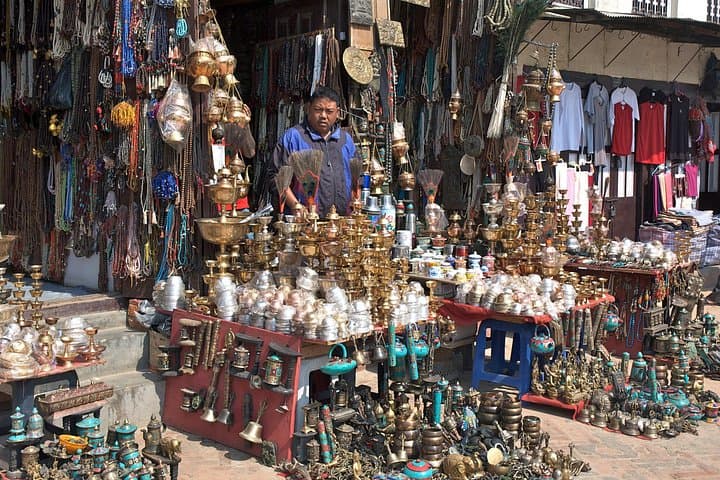
Practical notes: the route is mostly paved and compact but includes uneven stone and shallow steps; bring a water bottle and wear shoes with good grip. Midday can be hot and busy; early mornings or late afternoons offer better light for photography and fewer crowds. Respect temple etiquette — quiet voices and modest dress — and allow time for small detours to nearby artisan workshops where brass, paubha painting, and woodcarving are demonstrated.
Expect a relaxed walking pace, close-up viewing of carvings and courtyards, and a guided cultural primer that orients you to Patan’s living art traditions.
easy.
4 hours.
Suitable for most fitness levels; requires comfortable walking ability on uneven ground
Yes, the itinerary notes admission is included for the main sites visited within the square.
Pickup and drop-off from central Kathmandu hotels or the airport are included; confirm your pickup point when booking.
The tour is rated easy and suitable for most ages, but cobbled surfaces and steps may be challenging for limited-mobility travelers.
This listing includes an English-speaking local guide; request other languages in advance if needed.
Patan (Lalitpur) is an ancient Newar city noted for its artisanal legacy; the square’s core dates to medieval palace complexes attributed to early rulers including a tradition linking foundations to King Veer Deva.
Visitor flows and earthquake damage have stressed fragile wooden façades; support local conservation by following signposted routes, avoiding touching carvings, and buying from accredited artisan shops.
Pigeon Travel And Tours Pvt Ltd operates guided outdoor trips and adventures with an emphasis on safety, stewardship, and memorable experiences.
Morning light slices between carved wooden windows as you step from a quiet lane into Patan Durbar Square — a compact court of stone, stepped shrines, and centuries of public life. The square’s courtyards pull visitors close to intricate Newar woodwork, tiered pagodas, and the compact, gilded face of Hiranya Varna Mahavihar.
Morning light slices between carved wooden windows as you step from a quiet lane into Patan Durbar Square — a compact court of stone, stepped shrines, and centuries of public life. The square’s courtyards pull visitors close to intricate Newar woodwork, tiered pagodas, and the compact, gilded face of Hiranya Varna Mahavihar.
Patan (Lalitpur) has been a center of Newar arts for over a millennium; local rulers and artisans shaped the plaza’s collection of palaces and temples from the 3rd century onward. The surrounding geology — soft valley sediment uplifted by Himalayan tectonics — produced the low, walkable ridge lines that made Patan a human-scale settlement with dense urban craft clusters. Culturally the square remains active: monks, craftsmen, and daily ritual create a lived backdrop to the monuments.
On a half-day private tour an English-speaking guide leads through Krishna Mandir, the Patan Museum courtyards, and smaller shrines, explaining iconography, repair history from earthquake cycles, and how traditional metalwork and stone carving are still practiced.
Practical notes: the route is mostly paved and compact but includes uneven stone and shallow steps; bring a water bottle and wear shoes with good grip. Midday can be hot and busy; early mornings or late afternoons offer better light for photography and fewer crowds. Respect temple etiquette — quiet voices and modest dress — and allow time for small detours to nearby artisan workshops where brass, paubha painting, and woodcarving are demonstrated.
Expect a relaxed walking pace, close-up viewing of carvings and courtyards, and a guided cultural primer that orients you to Patan’s living art traditions.