THE ADVENTURE COLLECTIVE® · Independent discovery and booking for outdoor travel

Explore Italica’s open-air ruins on a private half-day tour from Seville. Walk Roman streets, stand in a vast amphitheatre, and visit a Gothic–Mudejar monastery while learning the stories of emperors and local geology.
Explore Italica’s open-air ruins on a private half-day tour from Seville. Walk Roman streets, stand in a vast amphitheatre, and visit a Gothic–Mudejar monastery while learning the stories of emperors and local geology.
You step off the minivan into open light and a field of stone: Italica's roads run level beneath broad Andalusian sky, where fragments of columns and mosaics catch the sun like pages from an old atlas.
Verified experiences and guided adventures in the surrounding area.
Operated by Naturanda Turismo Ambiental · Santiponce, Andalusia
You step off the minivan into open light and a field of stone: Italica's roads run level beneath broad Andalusian sky, where fragments of columns and mosaics catch the sun like pages from an old atlas.
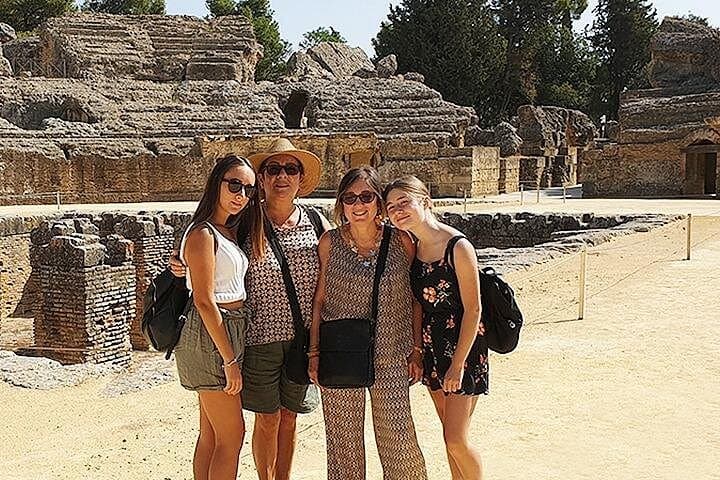
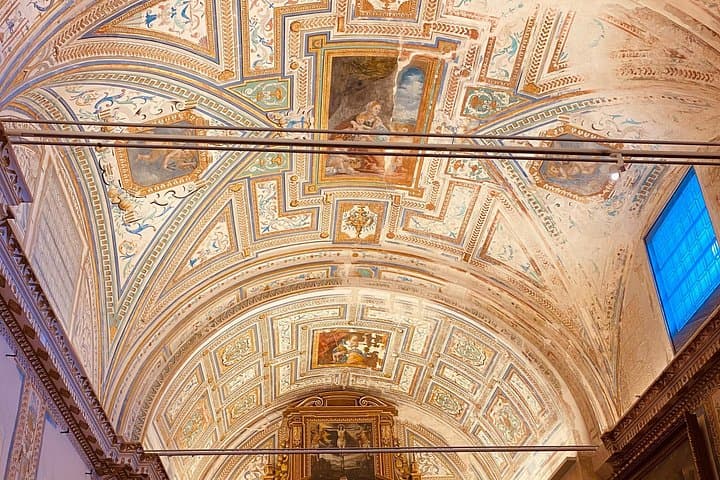
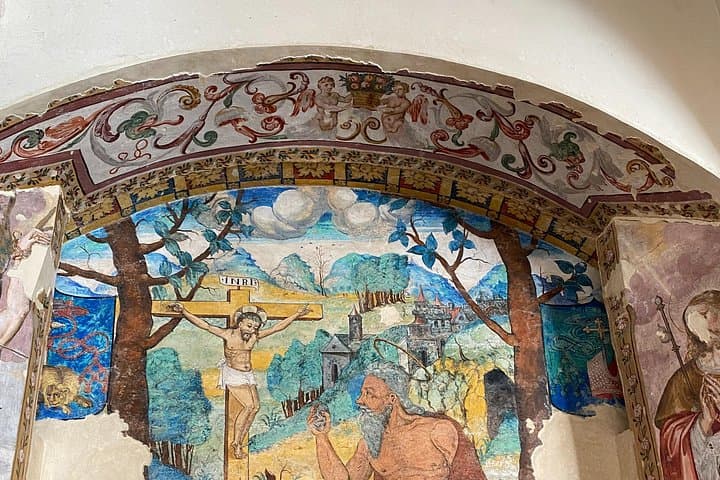
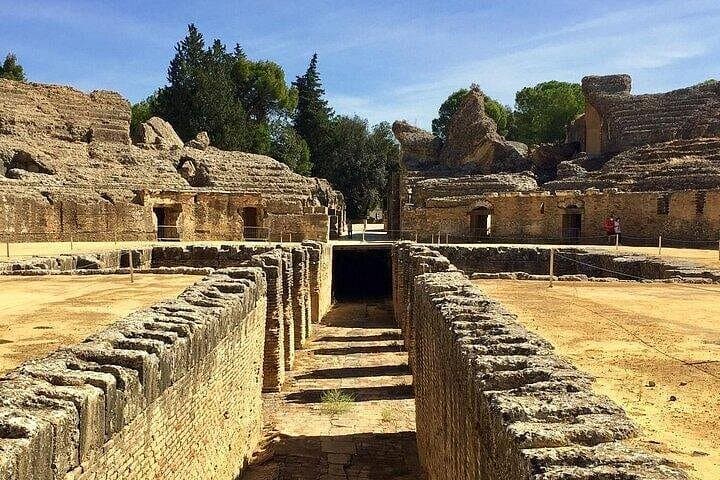
Founded for returning Roman veterans in the 2nd century BC, Italica became the birthplace of emperors Trajan and Hadrian. Walking its grid of streets, you move past homes marked by colored mosaic floors and toward one of Hispania’s largest amphitheatres—its worn tiers still framing the empty arena where crowds once roared. Geology here is shallow alluvium on a low plain; the site’s sandstone and Roman concrete weather clearly, revealing construction techniques and later repairs. Nearby, the Gothic–Mudejar monastery of San Isidoro del Campo adds a medieval chapter: cloisters, buttressed walls and quiet courtyards that illustrate Seville’s layered past.
A private guide connects these stones to larger Roman administration, trade routes along the Guadalquivir, and filming choices that brought Game of Thrones to these arches. Expect mostly flat walking with short uneven sections, roughly 2–3 km of on-site exploration and gentle elevation changes under 20 m. Sun and wind are drivers here—shade is limited.
Practical notes: wear sturdy shoes, bring a brimmed hat and 1–2 L water, and aim for morning or late afternoon light for mosaics and photos. The tour is wheelchair-accessible in parts, but some ancient paths remain rough. Book ahead for private access and to avoid midday heat; admission and a local guide are included in the half-day itinerary.
easy.
3–4 hours.
Suitable for most fitness levels; requires standing and short walks over uneven ground.
The private tour runs about 4 hours total, with roughly 2–3 km of walking around the archaeological site and time at the monastery.
Parts of Italica and the monastery have accessible routes, but some ancient paths are uneven—contact the operator to arrange the most accessible itinerary.
Yes, the private half-day tour includes admission to Italica and the monastery plus an expert local guide, per the itinerary.
Photography for personal use is allowed; commercial filming or drone use may require separate permissions—ask the operator in advance.
Italica was founded in 206 BC for Roman veterans and later produced emperors Trajan and Hadrian; its ruins record urban Roman planning in Hispania.
Ongoing conservation focuses on stabilizing mosaics and limiting visitor impact; stick to designated paths and avoid touching exposed surfaces.
Naturanda Turismo Ambiental operates guided outdoor trips and adventures with an emphasis on safety, stewardship, and memorable experiences.
You step off the minivan into open light and a field of stone: Italica's roads run level beneath broad Andalusian sky, where fragments of columns and mosaics catch the sun like pages from an old atlas.
You step off the minivan into open light and a field of stone: Italica's roads run level beneath broad Andalusian sky, where fragments of columns and mosaics catch the sun like pages from an old atlas.
Founded for returning Roman veterans in the 2nd century BC, Italica became the birthplace of emperors Trajan and Hadrian. Walking its grid of streets, you move past homes marked by colored mosaic floors and toward one of Hispania’s largest amphitheatres—its worn tiers still framing the empty arena where crowds once roared. Geology here is shallow alluvium on a low plain; the site’s sandstone and Roman concrete weather clearly, revealing construction techniques and later repairs. Nearby, the Gothic–Mudejar monastery of San Isidoro del Campo adds a medieval chapter: cloisters, buttressed walls and quiet courtyards that illustrate Seville’s layered past.
A private guide connects these stones to larger Roman administration, trade routes along the Guadalquivir, and filming choices that brought Game of Thrones to these arches. Expect mostly flat walking with short uneven sections, roughly 2–3 km of on-site exploration and gentle elevation changes under 20 m. Sun and wind are drivers here—shade is limited.
Practical notes: wear sturdy shoes, bring a brimmed hat and 1–2 L water, and aim for morning or late afternoon light for mosaics and photos. The tour is wheelchair-accessible in parts, but some ancient paths remain rough. Book ahead for private access and to avoid midday heat; admission and a local guide are included in the half-day itinerary.