THE ADVENTURE COLLECTIVE® · Independent discovery and booking for outdoor travel

Spend a private half-day exploring Tangier’s coastal promontories, sea caves and the historic Casbah. This guided experience blends natural panoramas — Cap Spartel and Hercules Cave — with market life in the medina and a beach camel ride.
Spend a private half-day exploring Tangier’s coastal promontories, sea caves and the historic Casbah. This guided experience blends natural panoramas — Cap Spartel and Hercules Cave — with market life in the medina and a beach camel ride.
You step from the vehicle onto wind-carved rock where the Atlantic and Mediterranean whisper at the same shoal — Cap Spartel’s cliffs watching the meeting of two seas. Salt and citrus mingle as your guide sketches Tangier’s layered past: Phoenician traders, Phoenician and Roman ports, Portuguese ramparts, and the 19th‑century international quarter that made the city a crossroads of culture.
Verified experiences and guided adventures in the surrounding area.
Operated by Radi Lemtiri · Tangier, Tangier-Tetouan-Al Hoceima
You step from the vehicle onto wind-carved rock where the Atlantic and Mediterranean whisper at the same shoal — Cap Spartel’s cliffs watching the meeting of two seas. Salt and citrus mingle as your guide sketches Tangier’s layered past: Phoenician traders, Phoenician and Roman ports, Portuguese ramparts, and the 19th‑century international quarter that made the city a crossroads of culture.
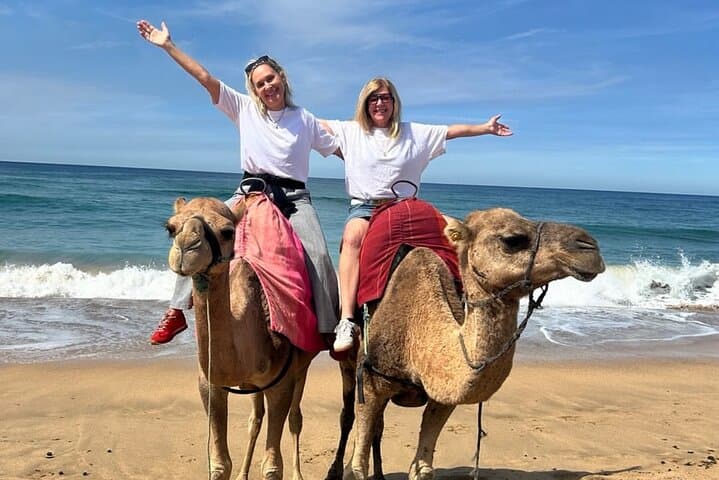
Geology here is plain to see. Limestone cliffs frame sea caves like Hercules Cave, carved by persistent swell and ancient tectonic lifts. Beaches like Achakkar extend in firm, low-slope sand that accepts a slow camel’s footfall. The Casbah and medina sit upriver of the shorelines, stone alleys and whitewashed riads folded into decades of trade and colonial influence — markets that still trade in spices, leather and mint tea rituals.
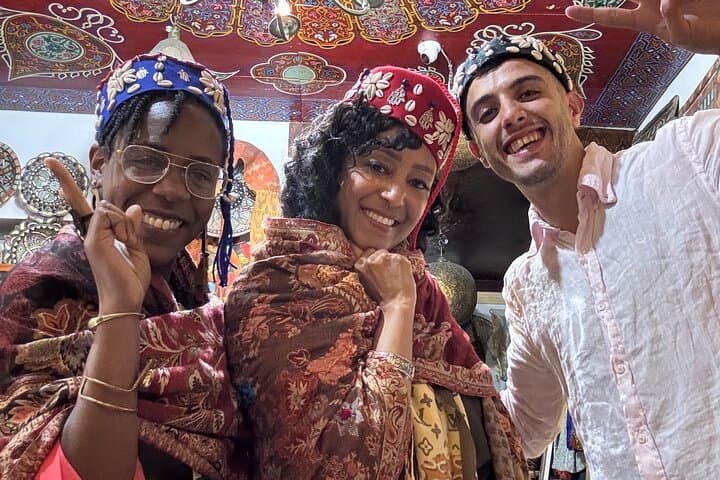
The tour balances natural panoramas with human textures: a lighthouse at Cap Spartel, a cave with a mythical aperture to the Atlantic, a shaded moment in Perdicaris Park, then into the Casbah’s stairways and souks where a local guide unpacks the city’s stories.
Practical guidance: this private 4–5 hour tour includes door‑to‑door transport, a licensed guide, lunch, camel ride and optional photos. It’s physically easy but involves walking on uneven stone and sand; wear sturdy shoes, bring sun protection and a refillable water bottle. Morning light offers the calmest seas and softer heat; winter can be windy. If you need wheelchair access, request specifics in advance — the operator lists accessible options but some narrow medina alleys remain uneven.
easy.
4–5 hours.
Suitable for most fitness levels; requires short walks on uneven surfaces and standing during viewpoints.
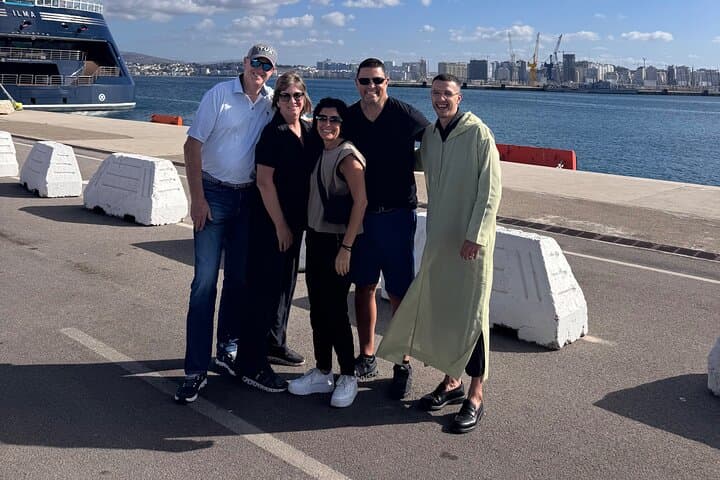
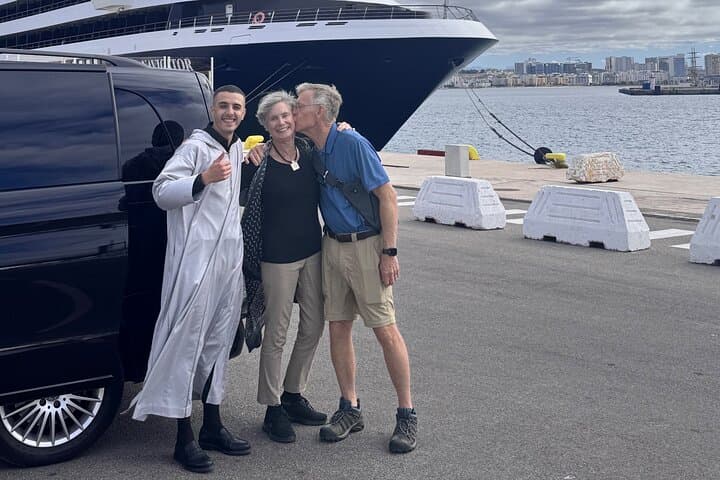
The private tour lasts about 4–5 hours and includes private transport, a licensed guide, lunch, a camel ride on Achakkar Beach, and free photographer time as listed by the operator.
The operator lists wheelchair-accessible transportation and areas, but some medina alleys and beach approaches can be uneven; contact the provider before booking to confirm specific accessibility needs.
Yes — the private format allows tailoring to interests (more time in the medina, extra photo stops or longer beach time); request preferences when booking or on pickup.
Tipping is customary in Morocco; small cash tips for the guide, driver and camel handler are appreciated and typically given in dirhams.
Tangier’s location at the Strait’s western entrance made it a centuries‑long gateway between Africa and Europe, with layers of Phoenician, Roman, Portuguese and international influences shaping its architecture and culture.
Coastal erosion and litter on beaches are local concerns; opt for responsible operators, carry out trash, and follow signage to protect nesting seabirds and fragile cliff vegetation.
Radi Lemtiri operates guided outdoor trips and adventures with an emphasis on safety, stewardship, and memorable experiences.
You step from the vehicle onto wind-carved rock where the Atlantic and Mediterranean whisper at the same shoal — Cap Spartel’s cliffs watching the meeting of two seas. Salt and citrus mingle as your guide sketches Tangier’s layered past: Phoenician traders, Phoenician and Roman ports, Portuguese ramparts, and the 19th‑century international quarter that made the city a crossroads of culture.
You step from the vehicle onto wind-carved rock where the Atlantic and Mediterranean whisper at the same shoal — Cap Spartel’s cliffs watching the meeting of two seas. Salt and citrus mingle as your guide sketches Tangier’s layered past: Phoenician traders, Phoenician and Roman ports, Portuguese ramparts, and the 19th‑century international quarter that made the city a crossroads of culture.
Geology here is plain to see. Limestone cliffs frame sea caves like Hercules Cave, carved by persistent swell and ancient tectonic lifts. Beaches like Achakkar extend in firm, low-slope sand that accepts a slow camel’s footfall. The Casbah and medina sit upriver of the shorelines, stone alleys and whitewashed riads folded into decades of trade and colonial influence — markets that still trade in spices, leather and mint tea rituals.
The tour balances natural panoramas with human textures: a lighthouse at Cap Spartel, a cave with a mythical aperture to the Atlantic, a shaded moment in Perdicaris Park, then into the Casbah’s stairways and souks where a local guide unpacks the city’s stories.
Practical guidance: this private 4–5 hour tour includes door‑to‑door transport, a licensed guide, lunch, camel ride and optional photos. It’s physically easy but involves walking on uneven stone and sand; wear sturdy shoes, bring sun protection and a refillable water bottle. Morning light offers the calmest seas and softer heat; winter can be windy. If you need wheelchair access, request specifics in advance — the operator lists accessible options but some narrow medina alleys remain uneven.