THE ADVENTURE COLLECTIVE® · Independent discovery and booking for outdoor travel

A private half-day excursion from Bath delivers the Stonehenge experience with context, convenience and a dedicated guide. Learn the latest archaeology, walk the compact visitor route, and return the same day with deeper insight into this prehistoric circle.
A private half-day excursion from Bath delivers the Stonehenge experience with context, convenience and a dedicated guide. Learn the latest archaeology, walk the compact visitor route, and return the same day with deeper insight into this prehistoric circle.
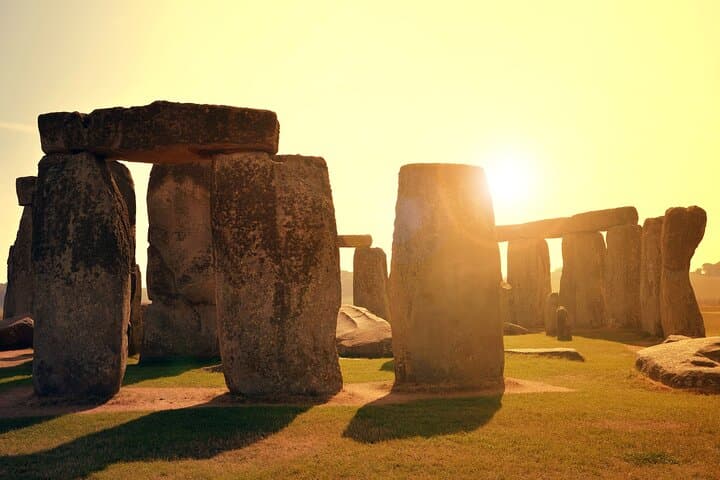
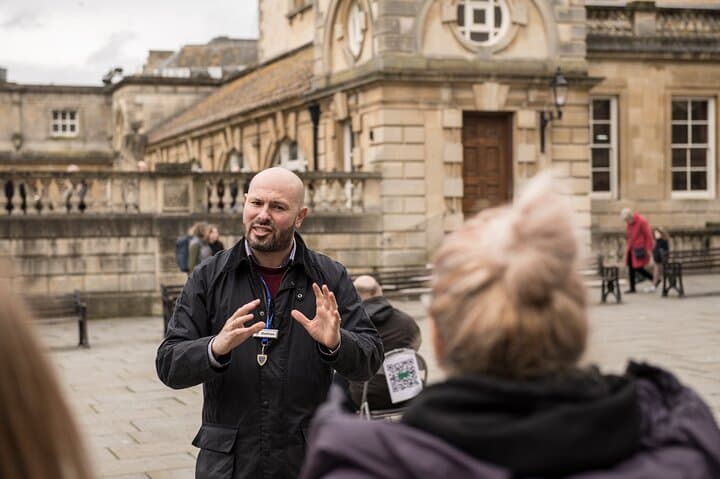
Morning light slices across the Salisbury Plain and the stones assert themselves—quiet, weathered, and unwilling to be rushed. A private vehicle carries a small group from Bath through rolling limestone and hedgerow lanes; the guide provides context while the road noise falls away and the circle comes into focus.
Verified experiences and guided adventures in the surrounding area.
Operated by Galahad Tours · Amesbury, Wiltshire
Morning light slices across the Salisbury Plain and the stones assert themselves—quiet, weathered, and unwilling to be rushed. A private vehicle carries a small group from Bath through rolling limestone and hedgerow lanes; the guide provides context while the road noise falls away and the circle comes into focus.
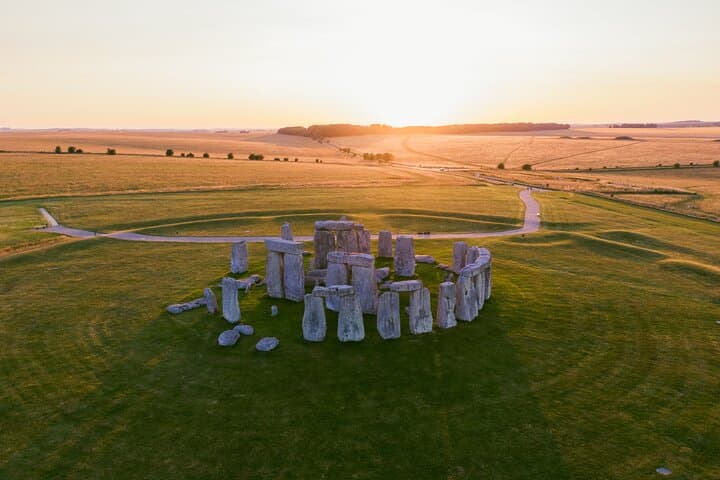
Stonehenge dates to around 2500 BCE and remains one of Britain’s most studied prehistoric monuments. The broad sarsen uprights and inner bluestones speak to long-distance hauling and sophisticated Neolithic engineering; the setting on chalk downland reveals the geology that made these materials both visible and symbolic. Locals still mark solstices here, and nearby towns such as Amesbury and Bath layer Roman, medieval and Georgian histories onto the landscape.
Expect a concise, interpretive walk: the visitor route is compact (about 1–2 km of mostly flat, firm path) with minimal elevation gain but exposed conditions—wind and sun move across the plain with little shelter. Admission is arranged on arrival for most private tours; guides will share recent archaeological findings and answer practical questions about access and conservation.
Practical tips: schedule morning or late-afternoon to avoid peak coaches, bring waterproof layers and sturdy shoes for damp ground, and keep cameras ready—stone textures, low sun and long shadows reward composition. Respect signage and the fragile archaeology: touching or climbing stones is prohibited. For visitors based in Bath, the drive is a comfortable private transfer of roughly 45–60 minutes depending on traffic, making a focused half-day visit both convenient and illuminating.
easy.
4 hours.
Suitable for all fitness levels; involves short, gentle walks on mostly flat terrain.
Admission is not included in advance for this listing; per the tour notes, tickets are purchased on arrival, and your guide will help secure them.
Pickup is arranged from Bath—your booking will request a pickup point; common spots include central hotels and designated transport hubs in Bath city centre.
This particular tour permits children aged 12 and over only, so younger children cannot be accommodated.
Stonehenge has accessible routes and facilities at the visitor centre, but some areas are grass or compacted paths; notify the operator at booking to arrange assistance if needed.
Stonehenge was constructed in stages from around 3000–2000 BCE and sits within a wider prehistoric ritual landscape including burial mounds and processional avenues.
English Heritage manages visitor impact with defined paths and timed entries—stick to marked routes to minimize erosion and protect subsurface archaeology.
Galahad Tours operates guided outdoor trips and adventures with an emphasis on safety, stewardship, and memorable experiences.

Morning light slices across the Salisbury Plain and the stones assert themselves—quiet, weathered, and unwilling to be rushed. A private vehicle carries a small group from Bath through rolling limestone and hedgerow lanes; the guide provides context while the road noise falls away and the circle comes into focus.
Morning light slices across the Salisbury Plain and the stones assert themselves—quiet, weathered, and unwilling to be rushed. A private vehicle carries a small group from Bath through rolling limestone and hedgerow lanes; the guide provides context while the road noise falls away and the circle comes into focus.
Stonehenge dates to around 2500 BCE and remains one of Britain’s most studied prehistoric monuments. The broad sarsen uprights and inner bluestones speak to long-distance hauling and sophisticated Neolithic engineering; the setting on chalk downland reveals the geology that made these materials both visible and symbolic. Locals still mark solstices here, and nearby towns such as Amesbury and Bath layer Roman, medieval and Georgian histories onto the landscape.
Expect a concise, interpretive walk: the visitor route is compact (about 1–2 km of mostly flat, firm path) with minimal elevation gain but exposed conditions—wind and sun move across the plain with little shelter. Admission is arranged on arrival for most private tours; guides will share recent archaeological findings and answer practical questions about access and conservation.
Practical tips: schedule morning or late-afternoon to avoid peak coaches, bring waterproof layers and sturdy shoes for damp ground, and keep cameras ready—stone textures, low sun and long shadows reward composition. Respect signage and the fragile archaeology: touching or climbing stones is prohibited. For visitors based in Bath, the drive is a comfortable private transfer of roughly 45–60 minutes depending on traffic, making a focused half-day visit both convenient and illuminating.