THE ADVENTURE COLLECTIVE® · Independent discovery and booking for outdoor travel

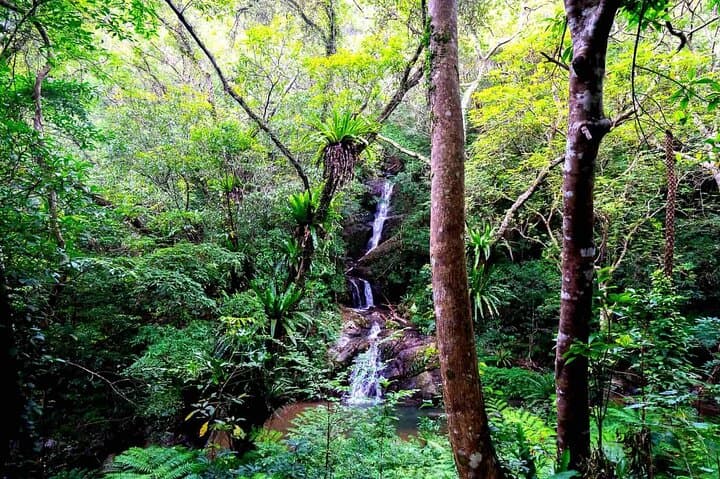
Venture beyond Amami's usual sights on a private half-day through Uken Village's jungle—cross rivers, explore caves used by villagers centuries ago, and end at the pristine Yuwan Koura Waterfall. This guided route blends cultural history with rugged subtropical terrain.
Venture beyond Amami's usual sights on a private half-day through Uken Village's jungle—cross rivers, explore caves used by villagers centuries ago, and end at the pristine Yuwan Koura Waterfall. This guided route blends cultural history with rugged subtropical terrain.
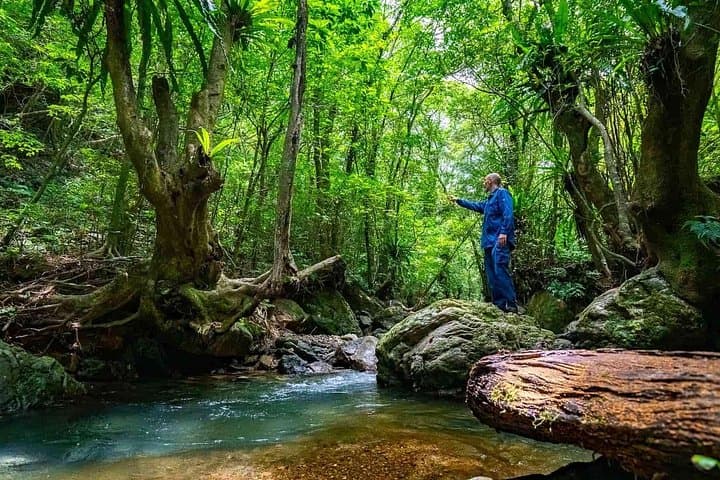
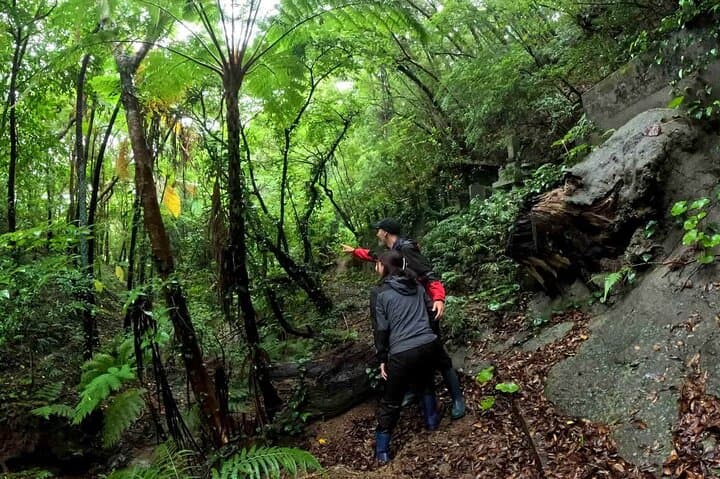
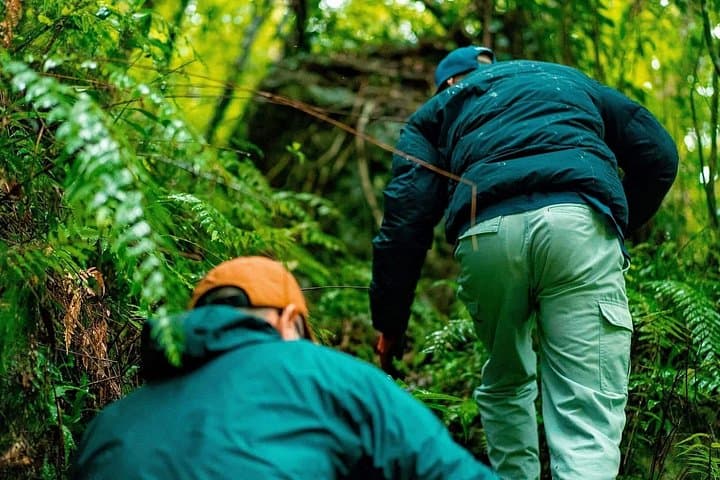
The jungle opens with a humid, green hush—ferns brushing your shins, a river daring you to cross, and the distant fall of water that becomes the day's compass. On a private half-day through South Amami's Uken area, a local guide leads small groups off the beaten path: narrow trails push through tree ferns, rocky riverbeds demand careful footing, and an old village path traces canals and a former shaman’s house.
Verified experiences and guided adventures in the surrounding area.
Operated by Amami Adventures · Uken Village, Kagoshima Prefecture
The jungle opens with a humid, green hush—ferns brushing your shins, a river daring you to cross, and the distant fall of water that becomes the day's compass. On a private half-day through South Amami's Uken area, a local guide leads small groups off the beaten path: narrow trails push through tree ferns, rocky riverbeds demand careful footing, and an old village path traces canals and a former shaman’s house.
Geology here is owed to ancient coral uplift and volcanic soils: limestone pockets carve caves and steep ravines, while rich, acidic loam supports dense subtropical forest. Culturally, the routes follow centuries-old connections between villagers and the land—stone tombs, samurai-era markers, and traditional wild-boar hunting grounds speak to a life lived with the jungle. Expect stories of Ryukyu-era practices and living traditions like local canals and spirit paths.
The pace is deliberate: short drives between trailheads, river crossings along rock slabs, and a final approach to Yuwan Koura Waterfall framed by hundreds of Bird’s Nest ferns. Wildlife is a constant presence—look and listen for endemic species, but keep distance and follow your guide’s instructions.
Practical notes: wear grippy, water-resistant footwear and quick-dry layers; bring a small pack with water, insect repellent and sun protection. Trails can be muddy after rain; the guide supplies rain boots and gloves when needed. Tours are private and flexible—ideal for photographers, families, and wildlife lovers seeking deeper access than typical island tours. Morning departures avoid mid-day heat and increase wildlife chances.
moderate.
3–4 hours.
Moderate fitness: able to walk uneven trails, manage short river crossings and occasional slick rock.
The tour is rated moderate: paths are uneven and include short river crossings but no technical climbing; guides tailor pace to the group.
Guides point out known Habu areas and maintain safe distances; follow instructions and avoid walking off trail or into tall grass.
Guiding is provided in English by the listed guide (Matt Pride) and may include local translators or bilingual guides depending on booking—confirm at reservation.
Basic gear such as rain boots, rainwear, and gloves can be supplied when weather conditions require it; guests should still bring personal layers and footwear if preferred.
Trails follow historic village routes shaped during Ryukyu-era trade and subsistence living; local stone tombs and former shaman houses reflect long-standing island traditions.
Parts of Amami Oshima are protected for their high endemic biodiversity; tours emphasize staying on trails, packing out waste, and minimizing disturbance to habitat.
Amami Adventures operates guided outdoor trips and adventures with an emphasis on safety, stewardship, and memorable experiences.
The jungle opens with a humid, green hush—ferns brushing your shins, a river daring you to cross, and the distant fall of water that becomes the day's compass. On a private half-day through South Amami's Uken area, a local guide leads small groups off the beaten path: narrow trails push through tree ferns, rocky riverbeds demand careful footing, and an old village path traces canals and a former shaman’s house.
The jungle opens with a humid, green hush—ferns brushing your shins, a river daring you to cross, and the distant fall of water that becomes the day's compass. On a private half-day through South Amami's Uken area, a local guide leads small groups off the beaten path: narrow trails push through tree ferns, rocky riverbeds demand careful footing, and an old village path traces canals and a former shaman’s house.
Geology here is owed to ancient coral uplift and volcanic soils: limestone pockets carve caves and steep ravines, while rich, acidic loam supports dense subtropical forest. Culturally, the routes follow centuries-old connections between villagers and the land—stone tombs, samurai-era markers, and traditional wild-boar hunting grounds speak to a life lived with the jungle. Expect stories of Ryukyu-era practices and living traditions like local canals and spirit paths.
The pace is deliberate: short drives between trailheads, river crossings along rock slabs, and a final approach to Yuwan Koura Waterfall framed by hundreds of Bird’s Nest ferns. Wildlife is a constant presence—look and listen for endemic species, but keep distance and follow your guide’s instructions.
Practical notes: wear grippy, water-resistant footwear and quick-dry layers; bring a small pack with water, insect repellent and sun protection. Trails can be muddy after rain; the guide supplies rain boots and gloves when needed. Tours are private and flexible—ideal for photographers, families, and wildlife lovers seeking deeper access than typical island tours. Morning departures avoid mid-day heat and increase wildlife chances.