THE ADVENTURE COLLECTIVE® · Independent discovery and booking for outdoor travel

Sail the raw northern coast of Mallorca on a private half-day trip to Cala Tuent and Sa Calobra. Swim, snorkel, and stand-up paddle in crystalline bays beneath sheer Tramuntana cliffs.
Sail the raw northern coast of Mallorca on a private half-day trip to Cala Tuent and Sa Calobra. Swim, snorkel, and stand-up paddle in crystalline bays beneath sheer Tramuntana cliffs.
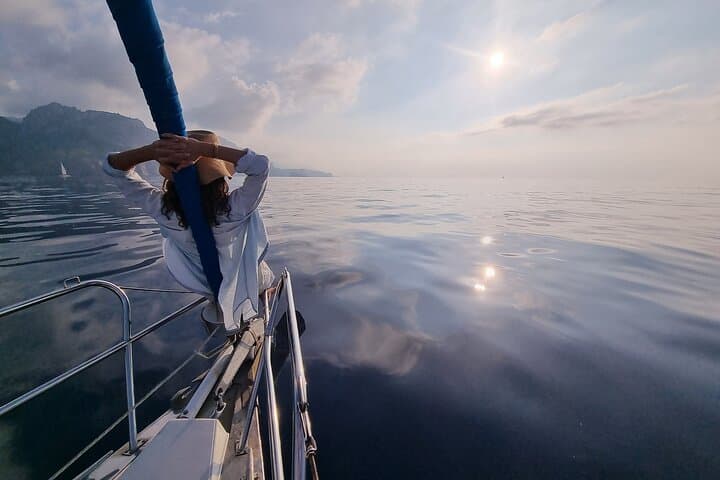
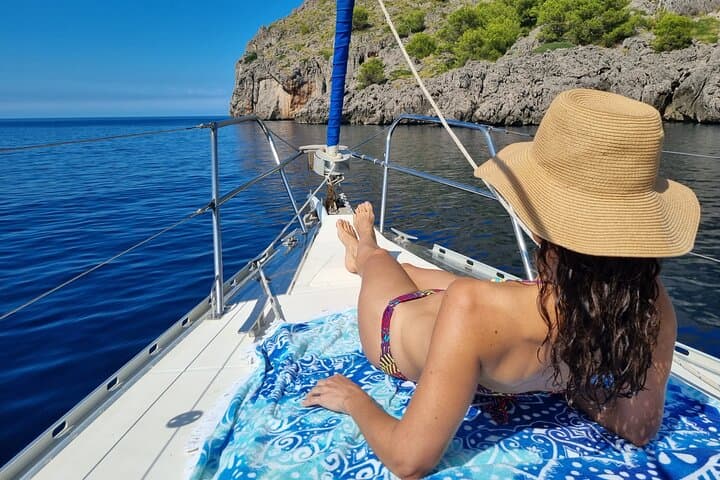
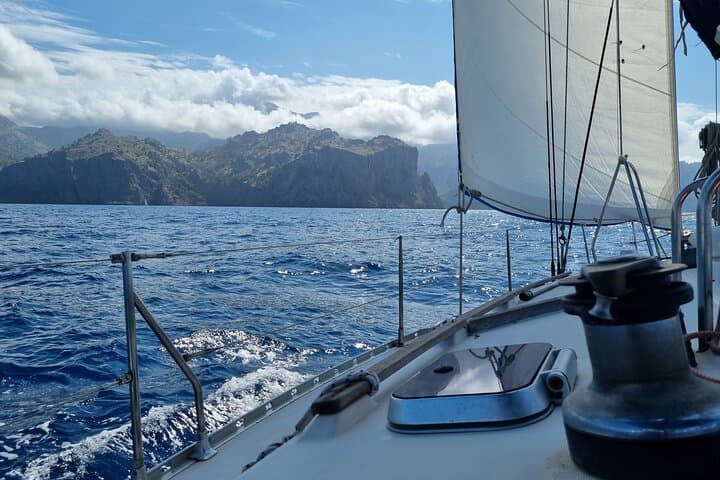
The boat slips free from the quay and the island’s northern cliffs grow like a wall, their limestone faces folding into the sea. Wind fills the sail when conditions allow, and the engine quiets: sailors feel the hull cut through turquoise water toward Cala Tuent, then down the narrow inlet of Sa Calobra.
Verified experiences and guided adventures in the surrounding area.
Operated by Let's Sail · Escorca, Balearic Islands
The boat slips free from the quay and the island’s northern cliffs grow like a wall, their limestone faces folding into the sea. Wind fills the sail when conditions allow, and the engine quiets: sailors feel the hull cut through turquoise water toward Cala Tuent, then down the narrow inlet of Sa Calobra.
These coves lie on the northern edge of the Serra de Tramuntana, a UNESCO-listed range carved by uplift and millennia of erosion. Pareis torrent drains a spectacular gorge at Sa Calobra; its steep walls are the result of karstic limestone sculpted by water and time. Local fishing villages once used these inlets for shelter and small-scale fishing — today the culture is a mix of rural Mallorcan traditions and seafaring hospitality.
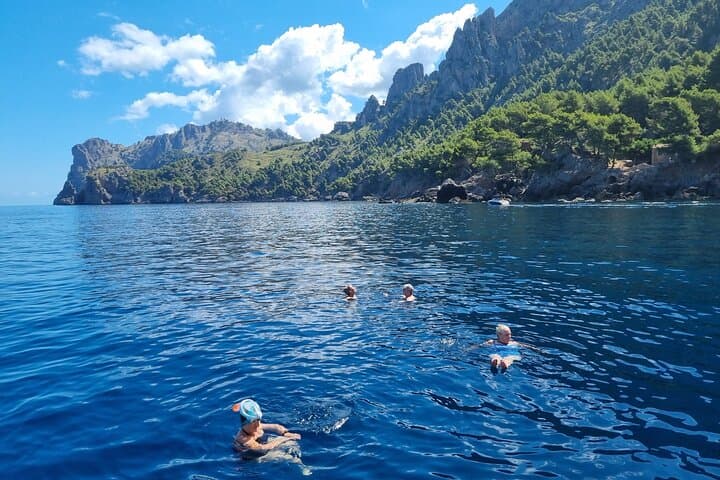
Expect clear, shallow bays perfect for snorkeling and paddleboarding, with underwater meadows of Posidonia waving beneath you and small schools of fish inspecting fins. The cliffs demand respect: currents can shift near the torrent mouth and anchoring rules protect seagrass beds.
Practical guidance: wear reef-friendly sunscreen, bring water shoes for rocky entries, and plan to swim from the anchored boat—board ramps are limited. Morning winds are often calmer; afternoons can pick up thermal breezes. The excursion runs about 5–6 hours, includes bottled water and snorkeling gear, and is suitable for most fitness levels. Keep cameras dry in a waterproof case and stow valuables below deck. The real reward is the silence under sail and the rare chance to view Mallorca’s north coast from sea level, where geology, marine life, and the island’s stubborn character meet.
easy.
5–6 hours.
Basic swimming ability recommended; generally suitable for people in average physical condition who can climb a ladder and enter/exit the water.
Yes—basic snorkeling equipment is included; paddleboards are available at designated stops as described by the operator.
When weather permits and the client prefers, the crew can operate under sail for portions of the trip for a quieter experience.
Yes—the tour is family-friendly with infant seats available, but small children should be supervised in the water and life jackets used as directed by the crew.
All sales are final, but the operator may cancel the tour for safety in bad weather and will not provide refunds beyond the stated no-refund policy—confirm details with the provider when booking.
The Serra de Tramuntana shaped local livelihoods for centuries: small farms and fishing hamlets used mountain terraces and sheltered coves to sustain communities that remain culturally distinct on Mallorca.
This coast includes protected marine habitats; travelers should avoid anchoring on Posidonia meadows, minimize plastic use, and follow crew guidance to reduce impact.
Let's Sail operates guided outdoor trips and adventures with an emphasis on safety, stewardship, and memorable experiences.
The boat slips free from the quay and the island’s northern cliffs grow like a wall, their limestone faces folding into the sea. Wind fills the sail when conditions allow, and the engine quiets: sailors feel the hull cut through turquoise water toward Cala Tuent, then down the narrow inlet of Sa Calobra.
The boat slips free from the quay and the island’s northern cliffs grow like a wall, their limestone faces folding into the sea. Wind fills the sail when conditions allow, and the engine quiets: sailors feel the hull cut through turquoise water toward Cala Tuent, then down the narrow inlet of Sa Calobra.
These coves lie on the northern edge of the Serra de Tramuntana, a UNESCO-listed range carved by uplift and millennia of erosion. Pareis torrent drains a spectacular gorge at Sa Calobra; its steep walls are the result of karstic limestone sculpted by water and time. Local fishing villages once used these inlets for shelter and small-scale fishing — today the culture is a mix of rural Mallorcan traditions and seafaring hospitality.
Expect clear, shallow bays perfect for snorkeling and paddleboarding, with underwater meadows of Posidonia waving beneath you and small schools of fish inspecting fins. The cliffs demand respect: currents can shift near the torrent mouth and anchoring rules protect seagrass beds.
Practical guidance: wear reef-friendly sunscreen, bring water shoes for rocky entries, and plan to swim from the anchored boat—board ramps are limited. Morning winds are often calmer; afternoons can pick up thermal breezes. The excursion runs about 5–6 hours, includes bottled water and snorkeling gear, and is suitable for most fitness levels. Keep cameras dry in a waterproof case and stow valuables below deck. The real reward is the silence under sail and the rare chance to view Mallorca’s north coast from sea level, where geology, marine life, and the island’s stubborn character meet.