THE ADVENTURE COLLECTIVE® · Independent discovery and booking for outdoor travel

Cross from Cape Town to Robben Island on a private half-day tour guided by local experts. Experience the ferry ride, explore the former prison, and learn first-hand stories that shaped modern South Africa.
Cross from Cape Town to Robben Island on a private half-day tour guided by local experts. Experience the ferry ride, explore the former prison, and learn first-hand stories that shaped modern South Africa.
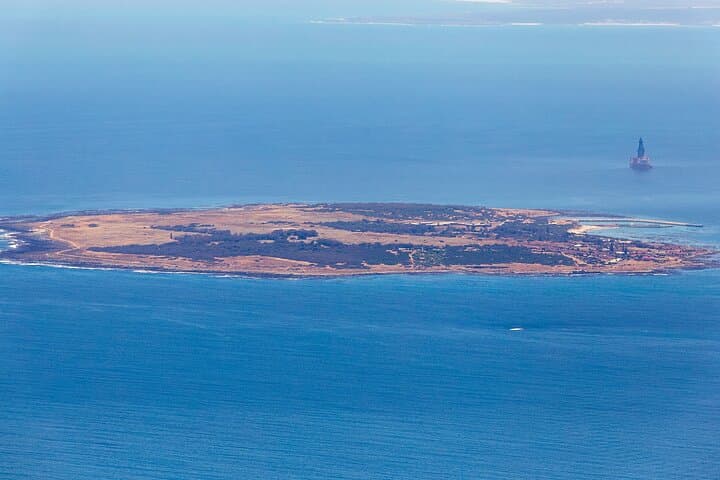
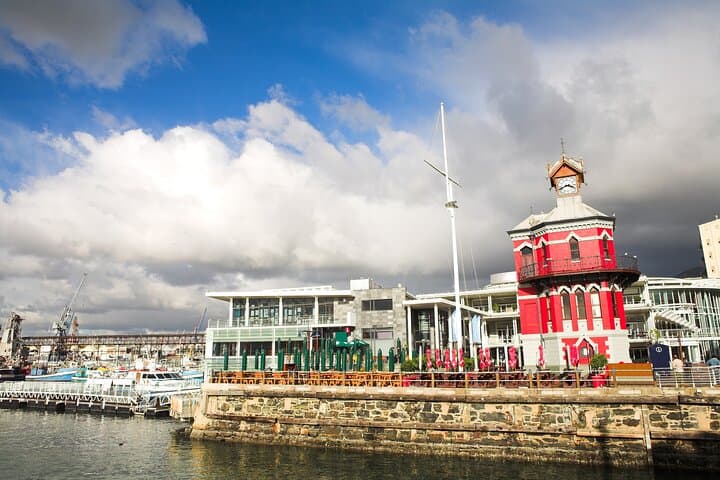
You step away from the bustle of the V&A Waterfront with Table Mountain slicing the skyline, gulls tugging at the cold wind and the ferry’s engines thrumming beneath your feet. The short crossing opens into a flat, wind-scoured island where low stone buildings and windblown scrub sit against the Atlantic — a place where landscape and history press close.
Verified experiences and guided adventures in the surrounding area.
Operated by Opatrip South Africa · Cape Town, Western Cape
You step away from the bustle of the V&A Waterfront with Table Mountain slicing the skyline, gulls tugging at the cold wind and the ferry’s engines thrumming beneath your feet. The short crossing opens into a flat, wind-scoured island where low stone buildings and windblown scrub sit against the Atlantic — a place where landscape and history press close.
Robben Island’s notoriety comes from its recent past: a maximum-security prison that held political prisoners during apartheid, most famously Nelson Mandela. Today it is a UNESCO World Heritage site; museum exhibits and guided walks lead visitors through cells, lime kilns and the quarry where prisoners worked. Geologically the island is low-lying with exposed shoreline and reclaimed quarries, shaped by ocean spray and persistent wind rather than high peaks.
Culturally the tour threads contemporary Cape Town to its political history — guides often include personal or community perspectives that frame the island’s role in South Africa’s transition. Expect practical local notes: crossings can be choppy, museum tours follow strict routes, and photography rules apply in sensitive areas.
Practical guidance: bring your passport for boarding, dress in windproof layers, and wear comfortable walking shoes for uneven paths. If you’re prone to seasickness, take medication before you board. The private format reduces crowds and allows time for questions, but respect the site’s solemnity and stick to marked paths. Timing your visit for morning crossings often gives calmer seas and clearer views of Table Mountain on return.
easy.
4–5 hours.
Suitable for all fitness levels; involves short walks on uneven terrain and standing during ferry transit.
Yes — passports or government-issued photo ID are required for ferry boarding and museum entry.
The crossing from the V&A Waterfront to Robben Island typically takes about 30–40 minutes each way, depending on sea conditions.
Yes — the tour is rated easy and suitable for most ages, but consider seasickness risk and mobility limitations for uneven ground.
Yes — the guided museum visit includes the section of the prison where Nelson Mandela was held; photography and access rules are set by the museum and must be followed.
Robben Island served as a political prison during apartheid and is now a UNESCO World Heritage Site; visits trace the experiences of prisoners and the island’s broader maritime uses.
The island’s fragile shoreline and surrounding marine area are protected — follow trail markers, avoid disturbing wildlife, and carry out any litter to minimize impact.
Opatrip South Africa operates guided outdoor trips and adventures with an emphasis on safety, stewardship, and memorable experiences.


You step away from the bustle of the V&A Waterfront with Table Mountain slicing the skyline, gulls tugging at the cold wind and the ferry’s engines thrumming beneath your feet. The short crossing opens into a flat, wind-scoured island where low stone buildings and windblown scrub sit against the Atlantic — a place where landscape and history press close.
You step away from the bustle of the V&A Waterfront with Table Mountain slicing the skyline, gulls tugging at the cold wind and the ferry’s engines thrumming beneath your feet. The short crossing opens into a flat, wind-scoured island where low stone buildings and windblown scrub sit against the Atlantic — a place where landscape and history press close.
Robben Island’s notoriety comes from its recent past: a maximum-security prison that held political prisoners during apartheid, most famously Nelson Mandela. Today it is a UNESCO World Heritage site; museum exhibits and guided walks lead visitors through cells, lime kilns and the quarry where prisoners worked. Geologically the island is low-lying with exposed shoreline and reclaimed quarries, shaped by ocean spray and persistent wind rather than high peaks.
Culturally the tour threads contemporary Cape Town to its political history — guides often include personal or community perspectives that frame the island’s role in South Africa’s transition. Expect practical local notes: crossings can be choppy, museum tours follow strict routes, and photography rules apply in sensitive areas.
Practical guidance: bring your passport for boarding, dress in windproof layers, and wear comfortable walking shoes for uneven paths. If you’re prone to seasickness, take medication before you board. The private format reduces crowds and allows time for questions, but respect the site’s solemnity and stick to marked paths. Timing your visit for morning crossings often gives calmer seas and clearer views of Table Mountain on return.