THE ADVENTURE COLLECTIVE® · Independent discovery and booking for outdoor travel

Customize a private 4-hour walking tour of Osaka with an English-speaking guide who tailors stops to your interests. Choose temples, Osaka Castle, Dotonbori or local neighborhoods and get local context while minimizing transit time.
Customize a private 4-hour walking tour of Osaka with an English-speaking guide who tailors stops to your interests. Choose temples, Osaka Castle, Dotonbori or local neighborhoods and get local context while minimizing transit time.
You're stepping out of a subway station into mid-morning Osaka — neon signs hang above a river that seems to dare you across its iron bridges. The guide waits with a map and a plan that isn't fixed: four hours to explore temples, a castle, and neighborhoods chosen by you.
Verified experiences and guided adventures in the surrounding area.
Operated by TripGuru · Osaka, Osaka Prefecture
You're stepping out of a subway station into mid-morning Osaka — neon signs hang above a river that seems to dare you across its iron bridges. The guide waits with a map and a plan that isn't fixed: four hours to explore temples, a castle, and neighborhoods chosen by you.
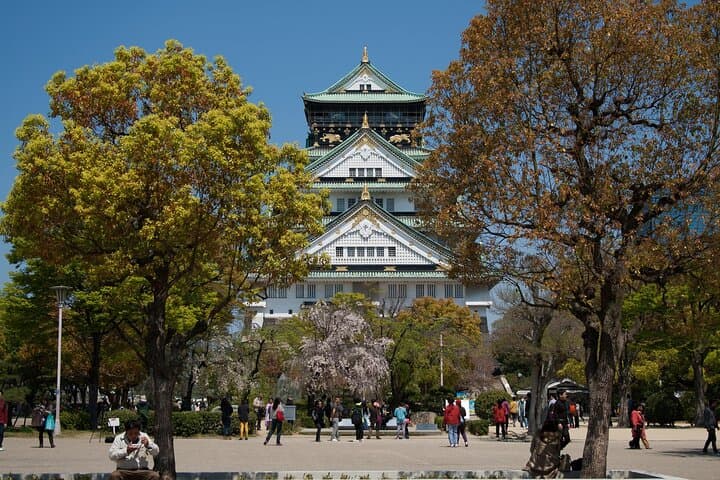
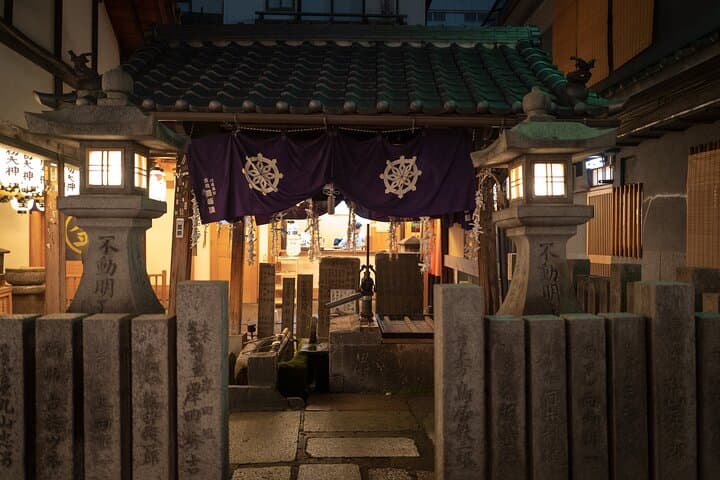
Osaka's story is visible in its stone and waterways. The castle's stone walls recall feudal power while the surrounding moat traces waterways carved on the Osaka Plain, land shaped by river sediments and human reclamation. Shitennoji and Sumiyoshi Taisha reflect religious traditions dating to the 6th–8th centuries; Dotonbori vibrates with merchant culture and modern street food.
A private, English-speaking guide threads context through these places—pointing out architectural details, offering local food tips, and suggesting efficient routes to minimize transit time. Expect short urban walks, some stairs at temple complexes, and time to photograph façades and market life.
Practical guidance: plan two to three stops within a compact area to avoid spending transit time on the subway. Bring a portable translation app, cash for small shrine offerings and street snacks, and comfortable shoes for city pavement. Start mid-morning on weekdays to avoid rush-hour crowds and allow time for a leisurely lunch in Dotonbori or a quiet tea near a temple.
The tour is flexible by design: choose interests ahead of booking, communicate mobility needs, and use the guide to surface lesser-known alleys and craft workshops that don't appear in guidebooks. Book midweek for quieter streets and a more personalized pace and memories.
easy.
4 hours.
Suitable for most fitness levels; involves moderate walking and some stairs at temples.
Yes. At booking list 2–3 preferred attractions and your guide will optimize the route and pace.
Admissions are typically not included; the guide will advise which sites require entry fees so you can plan accordingly.
Yes—this is a low-impact urban walk, but note that many temples and the castle have stairs; disclose mobility needs when booking.
Full refund if cancelled at least 24 hours before the scheduled departure; check booking terms for details.
Osaka grew as a commercial hub in the Edo period and retains merchant-era neighborhoods; Osaka Castle marks the city’s feudal and political history.
Urban tourism concentrates wear on historic sites—use public transit, avoid leaving waste at shrines, and follow posted rules to protect cultural assets.
TripGuru operates guided outdoor trips and adventures with an emphasis on safety, stewardship, and memorable experiences.
You're stepping out of a subway station into mid-morning Osaka — neon signs hang above a river that seems to dare you across its iron bridges. The guide waits with a map and a plan that isn't fixed: four hours to explore temples, a castle, and neighborhoods chosen by you.
You're stepping out of a subway station into mid-morning Osaka — neon signs hang above a river that seems to dare you across its iron bridges. The guide waits with a map and a plan that isn't fixed: four hours to explore temples, a castle, and neighborhoods chosen by you.
Osaka's story is visible in its stone and waterways. The castle's stone walls recall feudal power while the surrounding moat traces waterways carved on the Osaka Plain, land shaped by river sediments and human reclamation. Shitennoji and Sumiyoshi Taisha reflect religious traditions dating to the 6th–8th centuries; Dotonbori vibrates with merchant culture and modern street food.
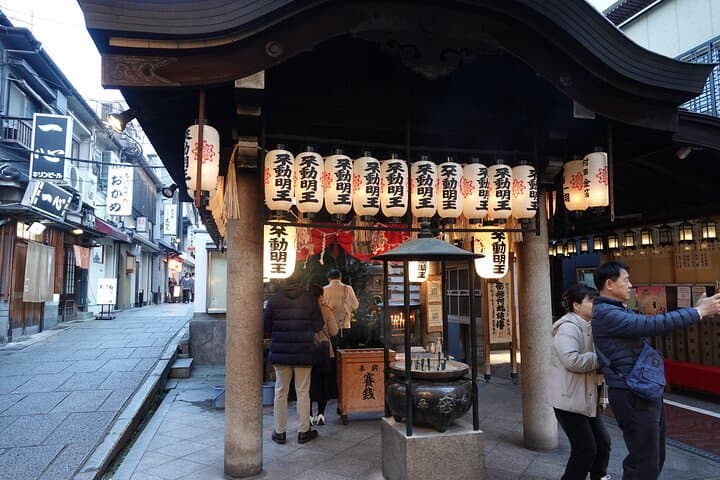
A private, English-speaking guide threads context through these places—pointing out architectural details, offering local food tips, and suggesting efficient routes to minimize transit time. Expect short urban walks, some stairs at temple complexes, and time to photograph façades and market life.
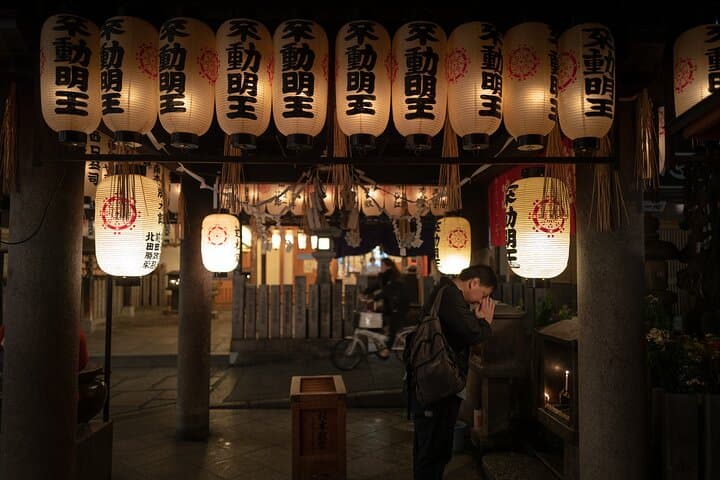
Practical guidance: plan two to three stops within a compact area to avoid spending transit time on the subway. Bring a portable translation app, cash for small shrine offerings and street snacks, and comfortable shoes for city pavement. Start mid-morning on weekdays to avoid rush-hour crowds and allow time for a leisurely lunch in Dotonbori or a quiet tea near a temple.
The tour is flexible by design: choose interests ahead of booking, communicate mobility needs, and use the guide to surface lesser-known alleys and craft workshops that don't appear in guidebooks. Book midweek for quieter streets and a more personalized pace and memories.