THE ADVENTURE COLLECTIVE® · Independent discovery and booking for outdoor travel

Spend a private half-day exploring Miyako Island’s legendary beaches, the 3,540‑meter Irabu Bridge and local markets with a guide who doubles as a photographer. This customizable tour pairs short walks and scenic drives for easy, photogenic access to Miyako Blue.
Spend a private half-day exploring Miyako Island’s legendary beaches, the 3,540‑meter Irabu Bridge and local markets with a guide who doubles as a photographer. This customizable tour pairs short walks and scenic drives for easy, photogenic access to Miyako Blue.
The tour opens with the wind off the East China Sea and a ribbon of impossibly blue water stretching toward Yonaha Maehama’s seven-kilometer shore. In a private vehicle with a guide-driver who doubles as a photographer, you move from market stalls to quiet sand dunes, stopping where the light is best and the crowds are thinnest.
Verified experiences and guided adventures in the surrounding area.
Operated by 石垣島プライベートツアー ベタ凪 · Miyakojima, Okinawa Prefecture
The tour opens with the wind off the East China Sea and a ribbon of impossibly blue water stretching toward Yonaha Maehama’s seven-kilometer shore. In a private vehicle with a guide-driver who doubles as a photographer, you move from market stalls to quiet sand dunes, stopping where the light is best and the crowds are thinnest.
Miyako Island sits on uplifted coral limestone; the white sands and shallow reef flats are direct products of that geology. Irabu Bridge — a 3,540-meter span built in the 2010s — cuts a clean line across Miyako Blue, linking islands and offering uninterrupted sea views. Local culture still revolves around the sea: small markets sell tropical fruits and Miyako beef, and salt-making and boat-based fishing are long-standing livelihoods.
Expect a mix of shoreline, road-side viewpoints and short walks to vantage points and reef edges. Guides often include Yonehara’s coral gardens for snorkel-friendly viewing (conditions permitting) and lesser-known spots on Irabu Island like a pair of sea-connected ponds protected as a natural monument.
Practical notes: this is a private, customizable 5–6 hour land tour with door-to-door transfers from port, airport or hotel. Bring reef-safe sunscreen, a sun hat, swimwear under quick-dry clothes, and a camera or phone with spare battery — your driver will capture shots but you’ll want your own. Low physical demand but several short sand or rocky approaches; plan early or late-day slots for softer light and calmer seas. Weather can change quickly — a light rain jacket and flexible timing help you get the best photos and beach time.
easy.
5–6 hours.
Suitable for most fitness levels; expect short, easy walks on sand or rock and minimal elevation change
Yes — private transfers available from the cruise terminal, airport or hotels; travel time to activity time is included in the half-day window.
Snorkeling opportunities are offered at locations like Yonehara but equipment is not always provided — confirm in advance if you need rental gear.
The tour accommodates 2–6 participants; larger groups may be possible with advance arrangement.
Yes — the guide is a professional photographer and provides photo data from the tour as part of the package.
Miyako’s communities developed around salt production, lagoon fishing and trade; the island’s limestone ridges and coral reefs shaped settlement patterns and transport routes.
Coral reefs here are sensitive to warming and physical damage — opt for reef-safe products, avoid touching coral, and follow guide advice to minimize impact.
石垣島プライベートツアー ベタ凪 operates guided outdoor trips and adventures with an emphasis on safety, stewardship, and memorable experiences.
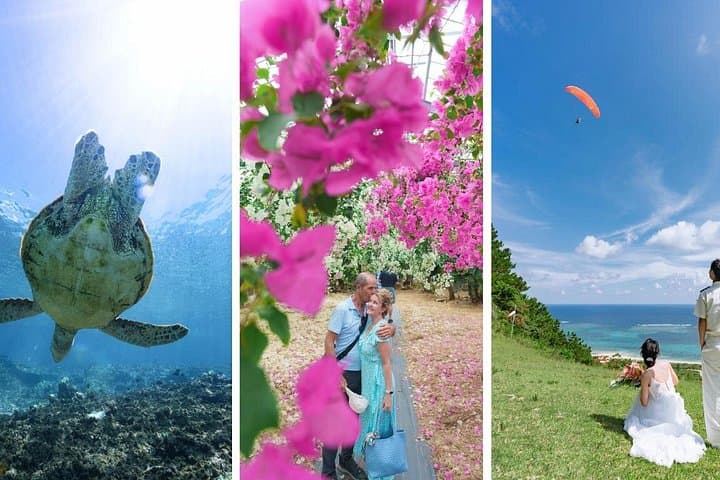
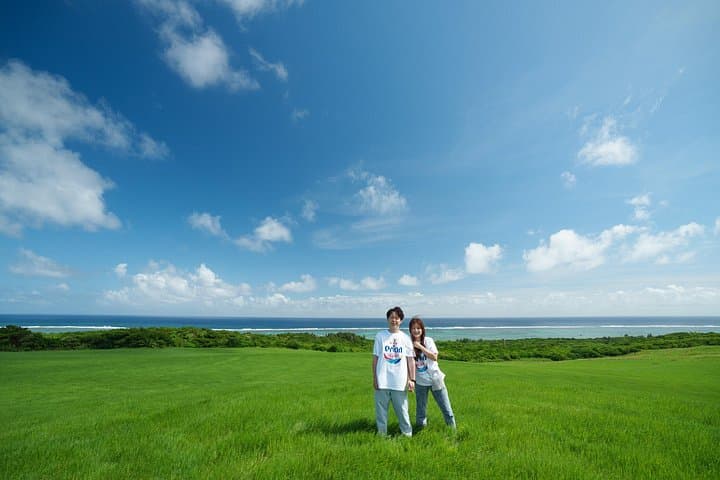
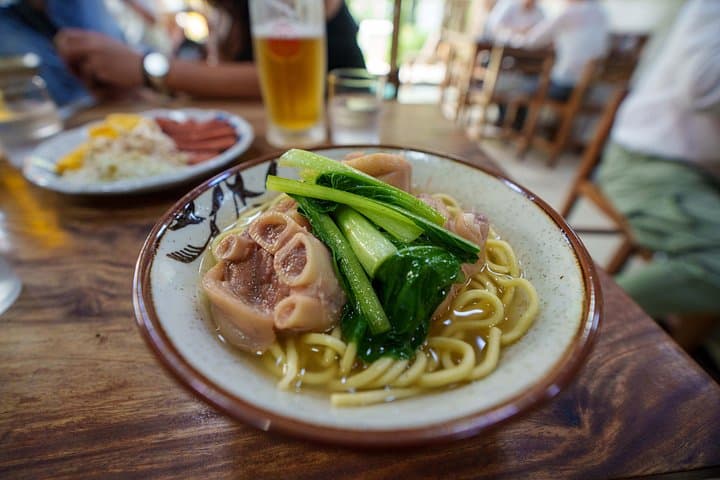
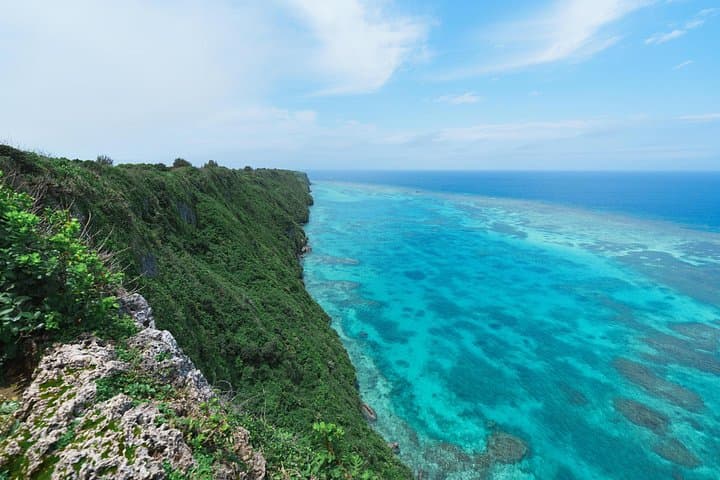
The tour opens with the wind off the East China Sea and a ribbon of impossibly blue water stretching toward Yonaha Maehama’s seven-kilometer shore. In a private vehicle with a guide-driver who doubles as a photographer, you move from market stalls to quiet sand dunes, stopping where the light is best and the crowds are thinnest.
The tour opens with the wind off the East China Sea and a ribbon of impossibly blue water stretching toward Yonaha Maehama’s seven-kilometer shore. In a private vehicle with a guide-driver who doubles as a photographer, you move from market stalls to quiet sand dunes, stopping where the light is best and the crowds are thinnest.
Miyako Island sits on uplifted coral limestone; the white sands and shallow reef flats are direct products of that geology. Irabu Bridge — a 3,540-meter span built in the 2010s — cuts a clean line across Miyako Blue, linking islands and offering uninterrupted sea views. Local culture still revolves around the sea: small markets sell tropical fruits and Miyako beef, and salt-making and boat-based fishing are long-standing livelihoods.
Expect a mix of shoreline, road-side viewpoints and short walks to vantage points and reef edges. Guides often include Yonehara’s coral gardens for snorkel-friendly viewing (conditions permitting) and lesser-known spots on Irabu Island like a pair of sea-connected ponds protected as a natural monument.
Practical notes: this is a private, customizable 5–6 hour land tour with door-to-door transfers from port, airport or hotel. Bring reef-safe sunscreen, a sun hat, swimwear under quick-dry clothes, and a camera or phone with spare battery — your driver will capture shots but you’ll want your own. Low physical demand but several short sand or rocky approaches; plan early or late-day slots for softer light and calmer seas. Weather can change quickly — a light rain jacket and flexible timing help you get the best photos and beach time.