THE ADVENTURE COLLECTIVE® · Independent discovery and booking for outdoor travel

Stand on the Equator, experiment with gravity tricks and peer into one of the world’s few inhabited volcanic calderas. This private half-day from Quito pairs La Mitad del Mundo’s playful exhibits with the green drop of Pululahua for an efficient, highland adventure.
Stand on the Equator, experiment with gravity tricks and peer into one of the world’s few inhabited volcanic calderas. This private half-day from Quito pairs La Mitad del Mundo’s playful exhibits with the green drop of Pululahua for an efficient, highland adventure.
On a cool, highland morning the road out of Quito unspools northward and the equator seems to hover just ahead—an invisible line turned into a monument and a classroom.
Verified experiences and guided adventures in the surrounding area.
Operated by Latin Adventures Cía Ltda · Quito, Pichincha
On a cool, highland morning the road out of Quito unspools northward and the equator seems to hover just ahead—an invisible line turned into a monument and a classroom.
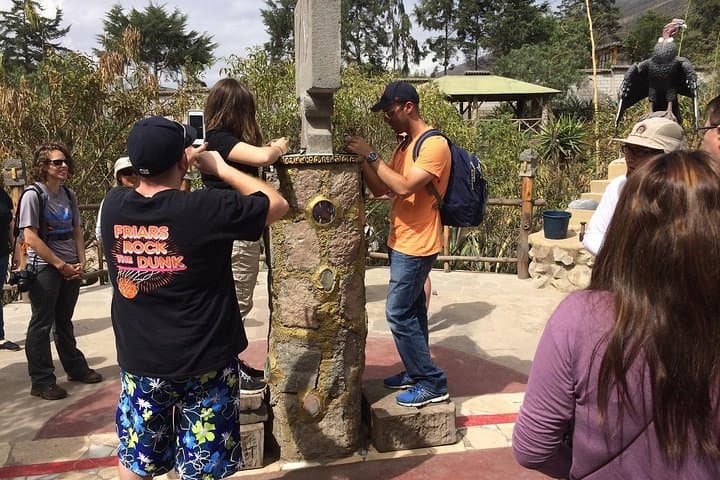
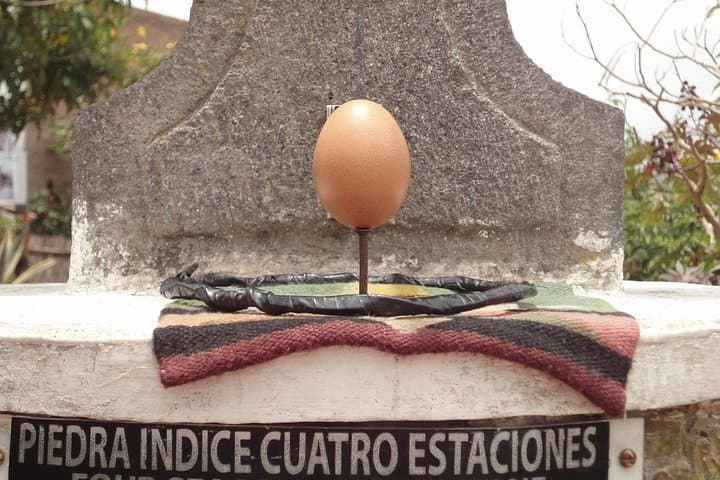
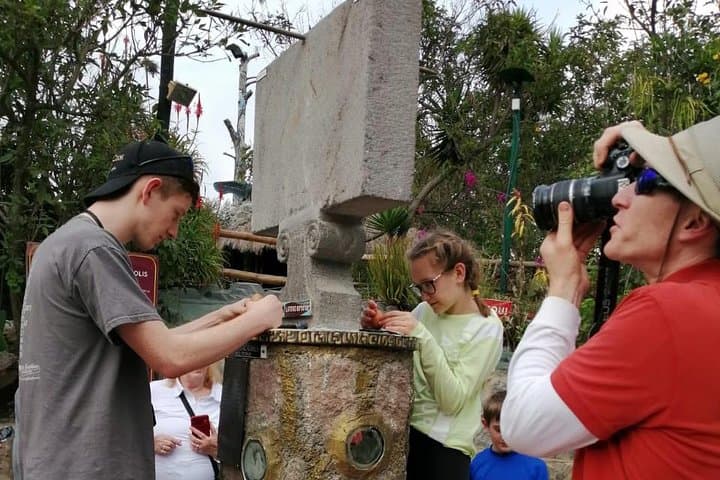
Visitors start at La Mitad del Mundo, where the large monument and nearby Intiñan Museum stage playful physics demonstrations: balancing eggs, divergent water drains and the odd, gravity-defying trick that asks you to question which side of the globe you’re on. A short drive away, Pululahua’s green bowl opens—a living caldera ringed by agricultural terraces, volcanic bluffs and views that drop into a fog-softened floor.
Geology here is immediate: Pululahua is one of the few inhabited volcanic calderas in the world, its soils rich from past eruptions and its microclimate supporting cloud forests and small farms. Culturally, the area carries Kichwa heritage and colonial-era interactions with the land; Quito itself grew from those highland settlements.
Practical guidance: the private, five-hour format covers transport, entrances and an English/Spanish guide. Expect elevations around 2,800–3,000 m—bring layers for sun, wind and sudden drizzle. Allow two hours at Mitad del Mundo/Intiñan for exhibits and photos and about two hours to explore viewpoints or short walks in Pululahua. Wear sturdy shoes for uneven volcanic paths, carry water and sunscreen, and budget time for photo stops.
Timing tip: mornings give clearer light over the crater; afternoons can cloud in. The tour is accessible to most fitness levels and offers a concentrated slice of Ecuador’s geography and culture in half a day.
easy.
5 hours.
Suitable for most fitness levels; some short walks on uneven ground recommended
The tour is approximately five hours and includes private transport, entrance fees to Intiñan Museum, Mitad del Mundo complex and Pululahua Crater, and a certified English/Spanish guide.
Yes—this tour is suitable for all fitness levels, though children and older travelers should take it easy at altitude and on uneven ground.
You will visit the Mitad del Mundo monument and the Intiñan Museum, which offer demonstrations and marked equator lines; note that GPS-accurate latitude differs slightly from the monument’s historic line.
The tour operates in most weather; dress appropriately. You can cancel for a full refund at least 24 hours before departure per the operator’s policy.
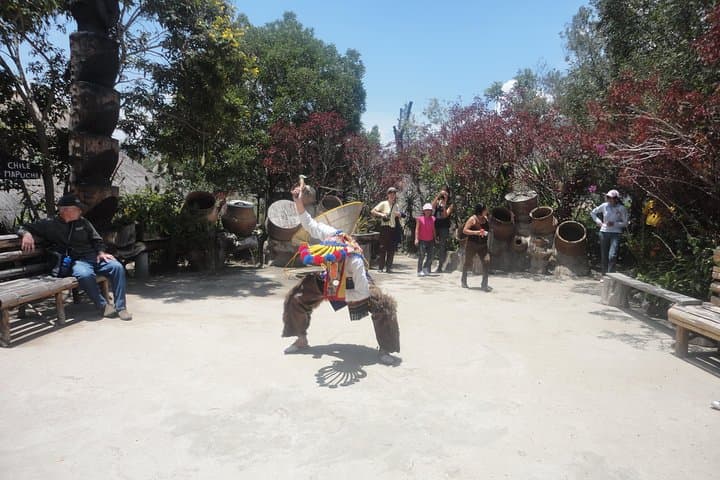
La Mitad del Mundo marks Ecuador’s historical equatorial claims and hosts exhibits on indigenous and colonial-era life; Pululahua’s caldera has been farmed since pre-Columbian times.
Pululahua is a geobotanical reserve—stay on trails, respect private agricultural plots and support local guides to minimize impact.
Latin Adventures Cía Ltda operates guided outdoor trips and adventures with an emphasis on safety, stewardship, and memorable experiences.
On a cool, highland morning the road out of Quito unspools northward and the equator seems to hover just ahead—an invisible line turned into a monument and a classroom.
On a cool, highland morning the road out of Quito unspools northward and the equator seems to hover just ahead—an invisible line turned into a monument and a classroom.
Visitors start at La Mitad del Mundo, where the large monument and nearby Intiñan Museum stage playful physics demonstrations: balancing eggs, divergent water drains and the odd, gravity-defying trick that asks you to question which side of the globe you’re on. A short drive away, Pululahua’s green bowl opens—a living caldera ringed by agricultural terraces, volcanic bluffs and views that drop into a fog-softened floor.
Geology here is immediate: Pululahua is one of the few inhabited volcanic calderas in the world, its soils rich from past eruptions and its microclimate supporting cloud forests and small farms. Culturally, the area carries Kichwa heritage and colonial-era interactions with the land; Quito itself grew from those highland settlements.
Practical guidance: the private, five-hour format covers transport, entrances and an English/Spanish guide. Expect elevations around 2,800–3,000 m—bring layers for sun, wind and sudden drizzle. Allow two hours at Mitad del Mundo/Intiñan for exhibits and photos and about two hours to explore viewpoints or short walks in Pululahua. Wear sturdy shoes for uneven volcanic paths, carry water and sunscreen, and budget time for photo stops.
Timing tip: mornings give clearer light over the crater; afternoons can cloud in. The tour is accessible to most fitness levels and offers a concentrated slice of Ecuador’s geography and culture in half a day.