THE ADVENTURE COLLECTIVE® · Independent discovery and booking for outdoor travel

Learn mahjong where the game is woven into daily life: a private 3–4 hour lesson in a local Chengdu teahouse with an English-speaking guide, one cup of tea, and the chance to play with locals. Perfect for culture-focused travelers who want hands-on instruction and local connection.
Learn mahjong where the game is woven into daily life: a private 3–4 hour lesson in a local Chengdu teahouse with an English-speaking guide, one cup of tea, and the chance to play with locals. Perfect for culture-focused travelers who want hands-on instruction and local connection.
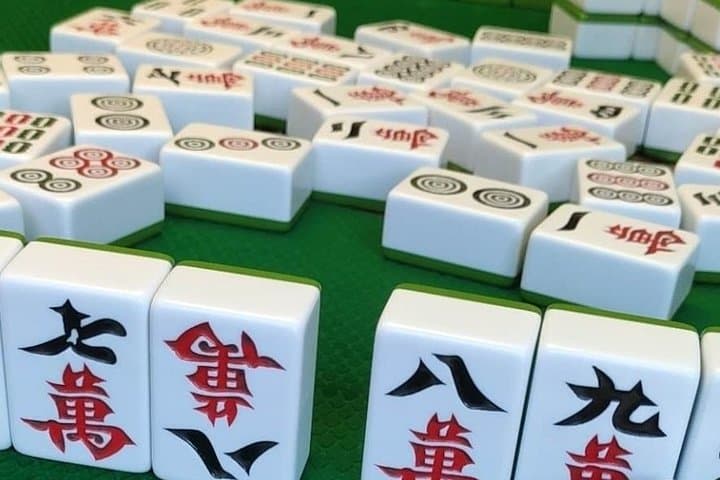
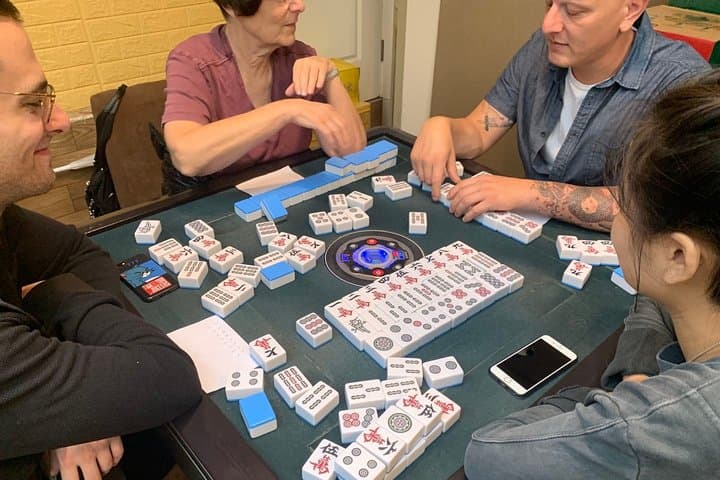
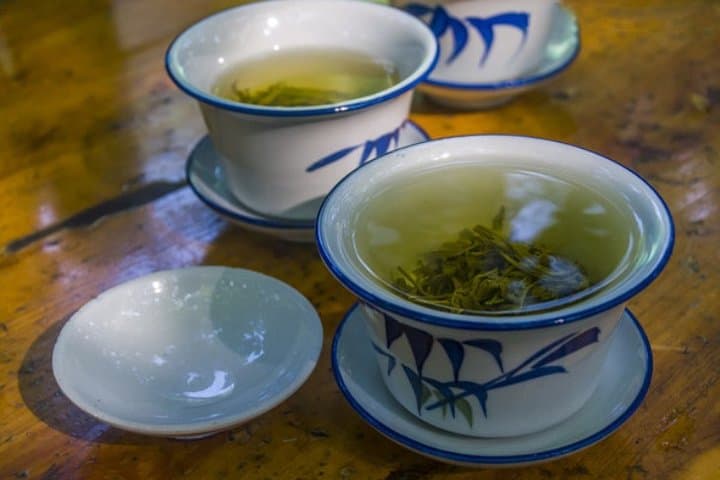
Steam curls from a paper cup as the clack of lacquered tiles punctuates the low murmur of conversation — this is Chengdu’s teahouse rhythm. You arrive by metro or taxi with a private English-speaking guide and settle at a worn wooden table; the guide lays out tiles and explains the order of play while the teahouse goes about its day.
Verified experiences and guided adventures in the surrounding area.
Operated by Samtour of Chengdu OTC Travel · Chengdu, Sichuan
Steam curls from a paper cup as the clack of lacquered tiles punctuates the low murmur of conversation — this is Chengdu’s teahouse rhythm. You arrive by metro or taxi with a private English-speaking guide and settle at a worn wooden table; the guide lays out tiles and explains the order of play while the teahouse goes about its day.
Mahjong’s modern rules crystallized in China during the late 19th and early 20th centuries, and in Sichuan the game has become a central social practice. Teahouses in Chengdu are social hubs where deals are discussed, friendships are kept, and generations meet across the same tables. Geologically, the city sits on the fertile Chengdu Plain, where relaxed urban life developed alongside rich culinary and social traditions — mahalong (mahjong) is part of that cultural fabric.
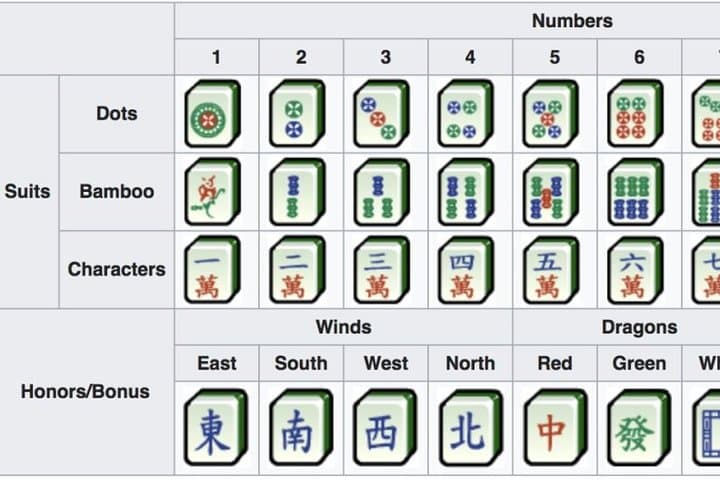
This private 3–4 hour lesson takes you from hotel pickup to a local teahouse for one-on-one instruction, practice rounds with your guide, and an optional game with locals. Expect concise teaching on tile types, melds, and scoring, followed by hands-on play; one cup of tea is included. Bring cash for return transport, and be prepared to follow local etiquette: tipping is modest, and players often expect quiet focus between rounds.
Practical tips: schedule a morning slot to see older players at their liveliest, wear comfortable shoes for short walks, and keep your phone charged for translations. The experience is low-impact but culturally high-value — a clear window into everyday Chengdu life.
easy.
3–4 hours.
Suitable for all physical fitness levels; involves light walking and seated instruction.
No, the lesson is designed for beginners and includes step-by-step instruction; your guide will tailor pacing to your familiarity.
One cup of tea is included; teahouse staff can usually offer alternatives, but notify the operator in advance for special requests.
Yes — the tour includes hotel pickup and drop-off; your guide will confirm pickup details when you book.
Children can join; infants may need to sit on laps. Children under 5 are free according to the provider’s policy.
Mahjong’s modern form emerged in China around the late 19th and early 20th centuries; Chengdu’s teahouse culture helped make the game a daily social ritual in Sichuan.
Support small, local teahouses by minimizing single-use waste and following house rules; small purchases help sustain traditional venues.
Samtour of Chengdu OTC Travel operates guided outdoor trips and adventures with an emphasis on safety, stewardship, and memorable experiences.
Steam curls from a paper cup as the clack of lacquered tiles punctuates the low murmur of conversation — this is Chengdu’s teahouse rhythm. You arrive by metro or taxi with a private English-speaking guide and settle at a worn wooden table; the guide lays out tiles and explains the order of play while the teahouse goes about its day.
Steam curls from a paper cup as the clack of lacquered tiles punctuates the low murmur of conversation — this is Chengdu’s teahouse rhythm. You arrive by metro or taxi with a private English-speaking guide and settle at a worn wooden table; the guide lays out tiles and explains the order of play while the teahouse goes about its day.
Mahjong’s modern rules crystallized in China during the late 19th and early 20th centuries, and in Sichuan the game has become a central social practice. Teahouses in Chengdu are social hubs where deals are discussed, friendships are kept, and generations meet across the same tables. Geologically, the city sits on the fertile Chengdu Plain, where relaxed urban life developed alongside rich culinary and social traditions — mahalong (mahjong) is part of that cultural fabric.
This private 3–4 hour lesson takes you from hotel pickup to a local teahouse for one-on-one instruction, practice rounds with your guide, and an optional game with locals. Expect concise teaching on tile types, melds, and scoring, followed by hands-on play; one cup of tea is included. Bring cash for return transport, and be prepared to follow local etiquette: tipping is modest, and players often expect quiet focus between rounds.
Practical tips: schedule a morning slot to see older players at their liveliest, wear comfortable shoes for short walks, and keep your phone charged for translations. The experience is low-impact but culturally high-value — a clear window into everyday Chengdu life.