THE ADVENTURE COLLECTIVE® · Independent discovery and booking for outdoor travel

Wander the narrow alleys of Cairo’s historic Khan el-Khalili on a private half‑day walking tour. Experience centuries-old crafts, lively bartering, and the scents of spice and coffee while a local guide handles logistics and hotel pickup.
Wander the narrow alleys of Cairo’s historic Khan el-Khalili on a private half‑day walking tour. Experience centuries-old crafts, lively bartering, and the scents of spice and coffee while a local guide handles logistics and hotel pickup.
You step from the air-conditioned car into a corridor of shadow and spice: narrow alleys of Khan el-Khalili where sunlight slices between awnings and the air smells of roasting coffee and cumin. Merchants arrange brass lamps, inlaid boxes and bolts of fabric while shopkeepers call out prices in a practiced rhythm — the bazaar moves at its own, human-paced tempo.
Verified experiences and guided adventures in the surrounding area.
Operated by Emo Tours Sweden · Cairo, Cairo Governorate
You step from the air-conditioned car into a corridor of shadow and spice: narrow alleys of Khan el-Khalili where sunlight slices between awnings and the air smells of roasting coffee and cumin. Merchants arrange brass lamps, inlaid boxes and bolts of fabric while shopkeepers call out prices in a practiced rhythm — the bazaar moves at its own, human-paced tempo.
The market dates to the Mamluk period, grown from caravanserais that served traders crossing the Nile floodplain. Buildings here show layered history: carved wooden balconies, Ottoman-era shop fronts and the open-work of more recent stalls. Craft traditions survive on side streets where copper-hammers ring and calloused hands in small workshops finish inlays and glasswork.
Expect crowded alleys, a chorus of bartering, and an urban wildlife cast of pigeons and curious cats threading between feet. Cultural practice matters here: bargaining is a conversation, not confrontation; a polite no is accepted, and tea is often an invitation to talk. Photography is common but ask before shooting shopkeepers at work.
Practical: the tour runs about four hours with hotel pickup and private A/C transfer. Wear comfortable closed-toe shoes for uneven paving, carry small bills and a crossbody pouch for valuables, and plan visits early or late afternoon to avoid the midday heat. Hydrate — bottled water is usually provided — and set aside time to browse workshops off the main drag if you want authentic souvenirs.
This half‑day balances sensory immersion with logistical ease: a compact window into Cairo’s living marketplace where history, craft and daily life intersect.
easy.
4 hours.
Light walking ability; able to navigate crowded, uneven alleyways for several hours
This private half‑day tour lasts about four hours, including hotel pickup and return by private A/C vehicle.
Yes, the tour lists entry fees and bottled water as included in the booking price.
Khan el‑Khalili has narrow, uneven alleys and can be crowded; it’s not ideal for wheelchairs or bulky strollers.
Many small vendors only accept cash; some larger shops may take cards—carry local currency for most purchases.
Khan el‑Khalili grew from Mamluk-era caravanserais and developed into Cairo’s principal souq; its name originally referred to a single khan (inn) before expanding into a district of shops and workshops.
Urban tourism strains historic fabric and waste systems; favor locally made goods, minimize single-use plastics, and follow guides’ advice to reduce impact.
Emo Tours Sweden operates guided outdoor trips and adventures with an emphasis on safety, stewardship, and memorable experiences.
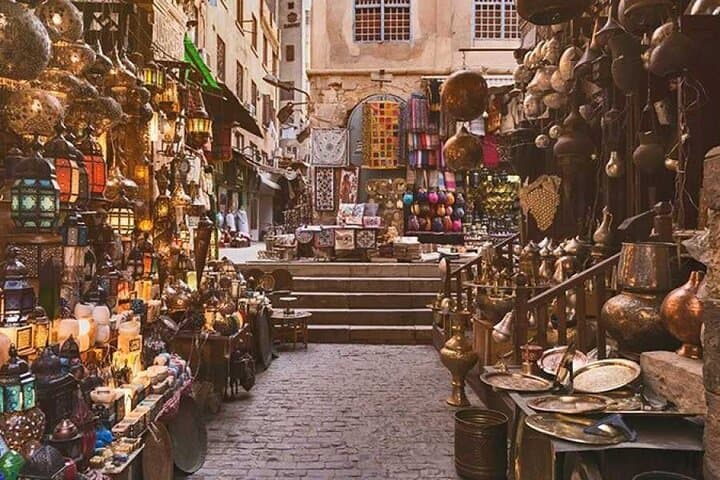
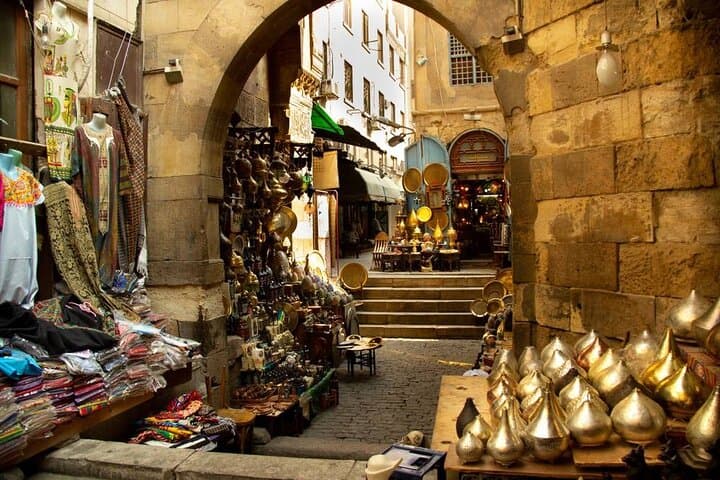
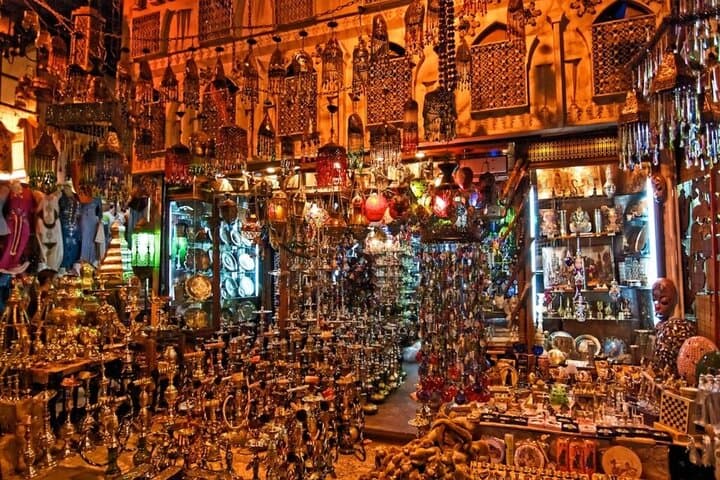
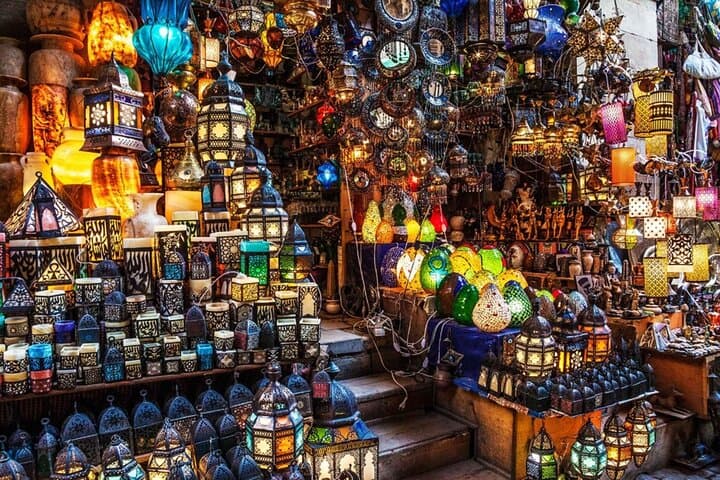
You step from the air-conditioned car into a corridor of shadow and spice: narrow alleys of Khan el-Khalili where sunlight slices between awnings and the air smells of roasting coffee and cumin. Merchants arrange brass lamps, inlaid boxes and bolts of fabric while shopkeepers call out prices in a practiced rhythm — the bazaar moves at its own, human-paced tempo.
You step from the air-conditioned car into a corridor of shadow and spice: narrow alleys of Khan el-Khalili where sunlight slices between awnings and the air smells of roasting coffee and cumin. Merchants arrange brass lamps, inlaid boxes and bolts of fabric while shopkeepers call out prices in a practiced rhythm — the bazaar moves at its own, human-paced tempo.
The market dates to the Mamluk period, grown from caravanserais that served traders crossing the Nile floodplain. Buildings here show layered history: carved wooden balconies, Ottoman-era shop fronts and the open-work of more recent stalls. Craft traditions survive on side streets where copper-hammers ring and calloused hands in small workshops finish inlays and glasswork.
Expect crowded alleys, a chorus of bartering, and an urban wildlife cast of pigeons and curious cats threading between feet. Cultural practice matters here: bargaining is a conversation, not confrontation; a polite no is accepted, and tea is often an invitation to talk. Photography is common but ask before shooting shopkeepers at work.
Practical: the tour runs about four hours with hotel pickup and private A/C transfer. Wear comfortable closed-toe shoes for uneven paving, carry small bills and a crossbody pouch for valuables, and plan visits early or late afternoon to avoid the midday heat. Hydrate — bottled water is usually provided — and set aside time to browse workshops off the main drag if you want authentic souvenirs.
This half‑day balances sensory immersion with logistical ease: a compact window into Cairo’s living marketplace where history, craft and daily life intersect.